Featured Export Power Strips & Specialized Socket Assemblies
Tested and certified to CE, GS, and ETL standards for immediate integration across European, UK, and global retail chains.
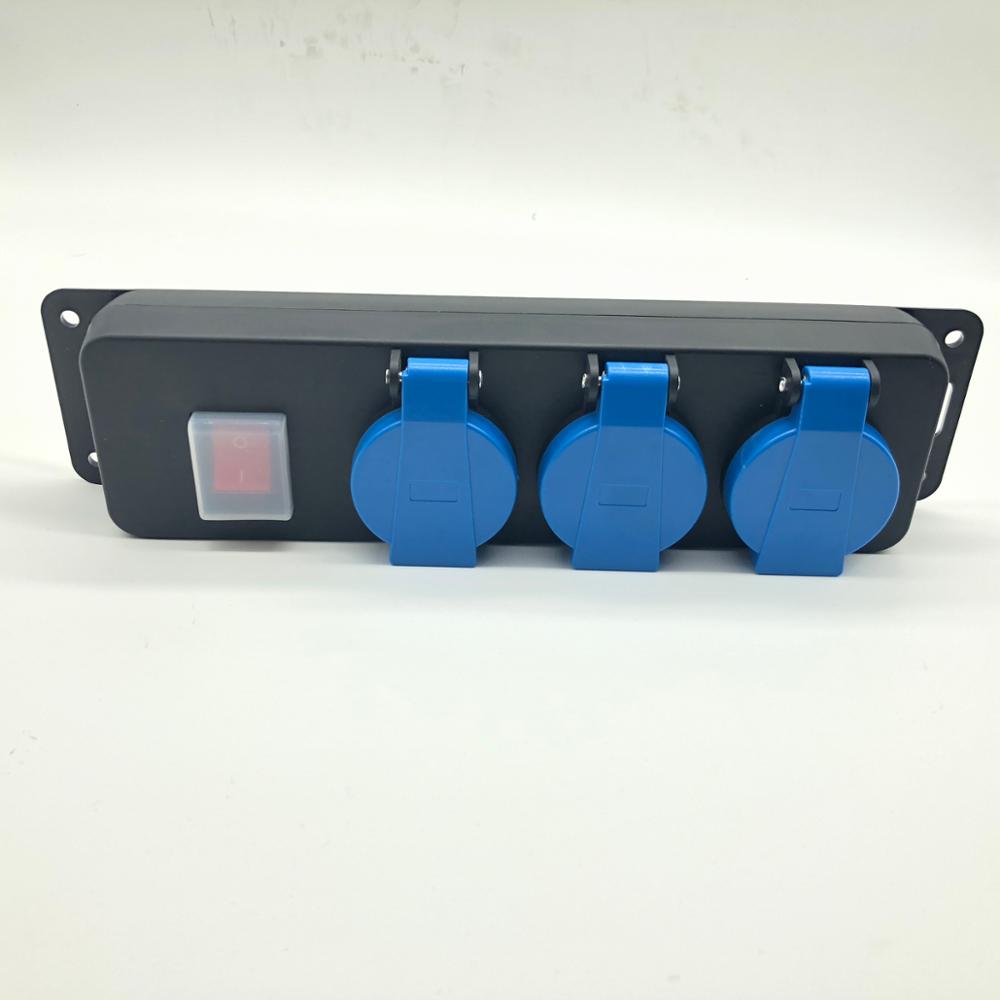
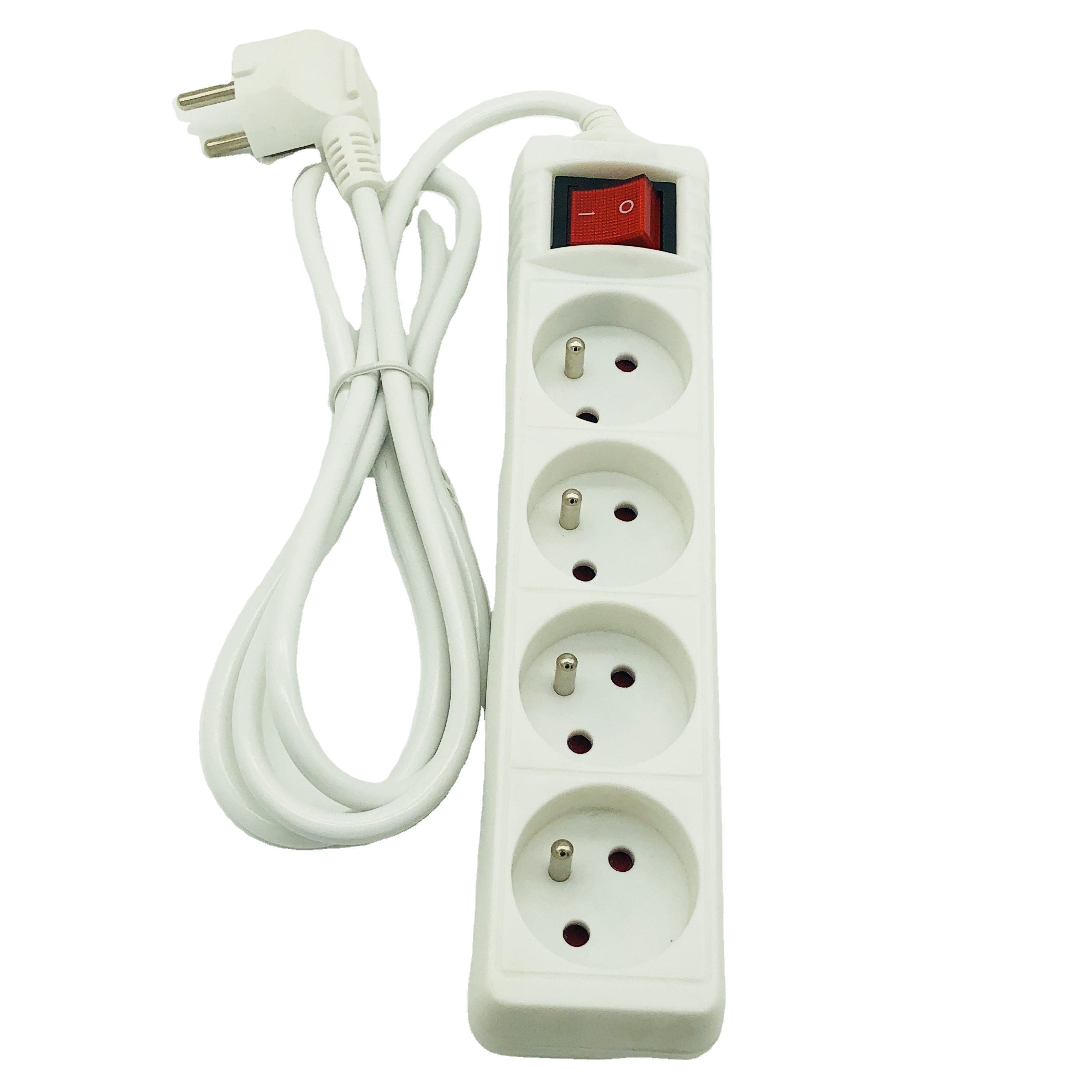
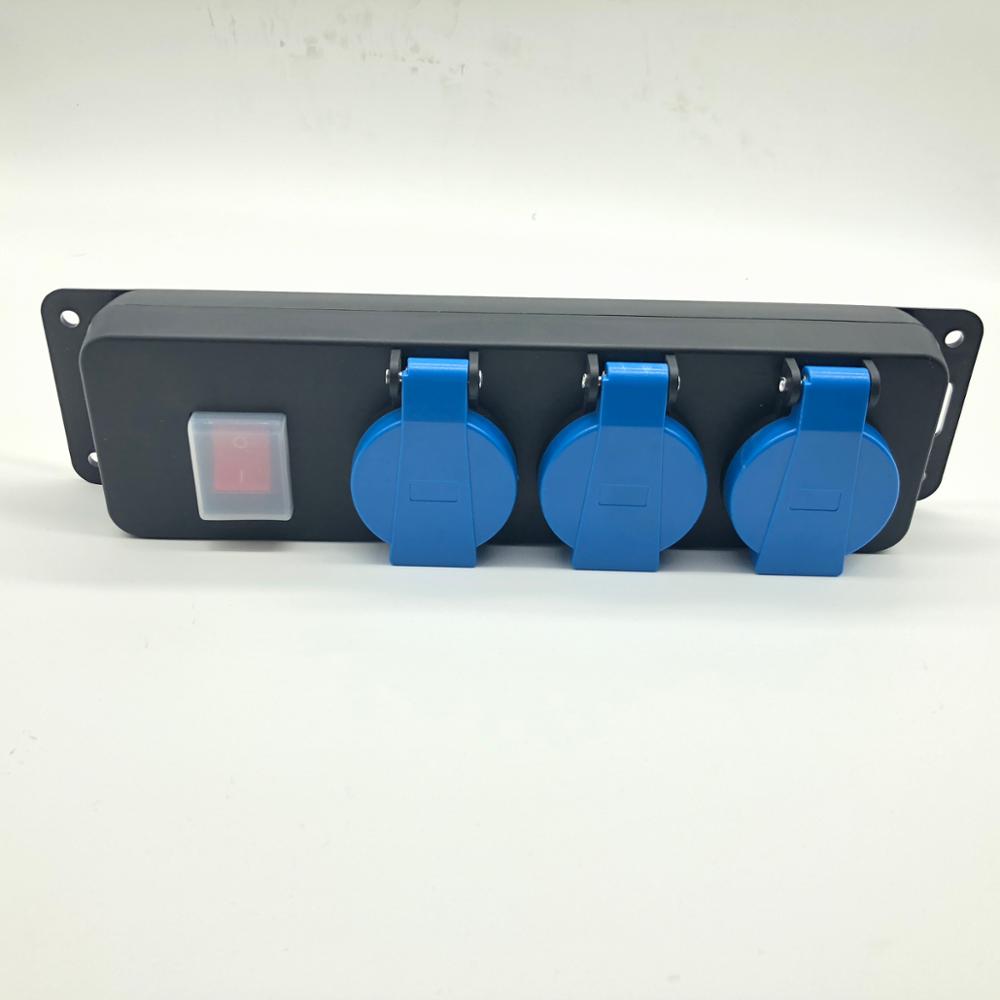
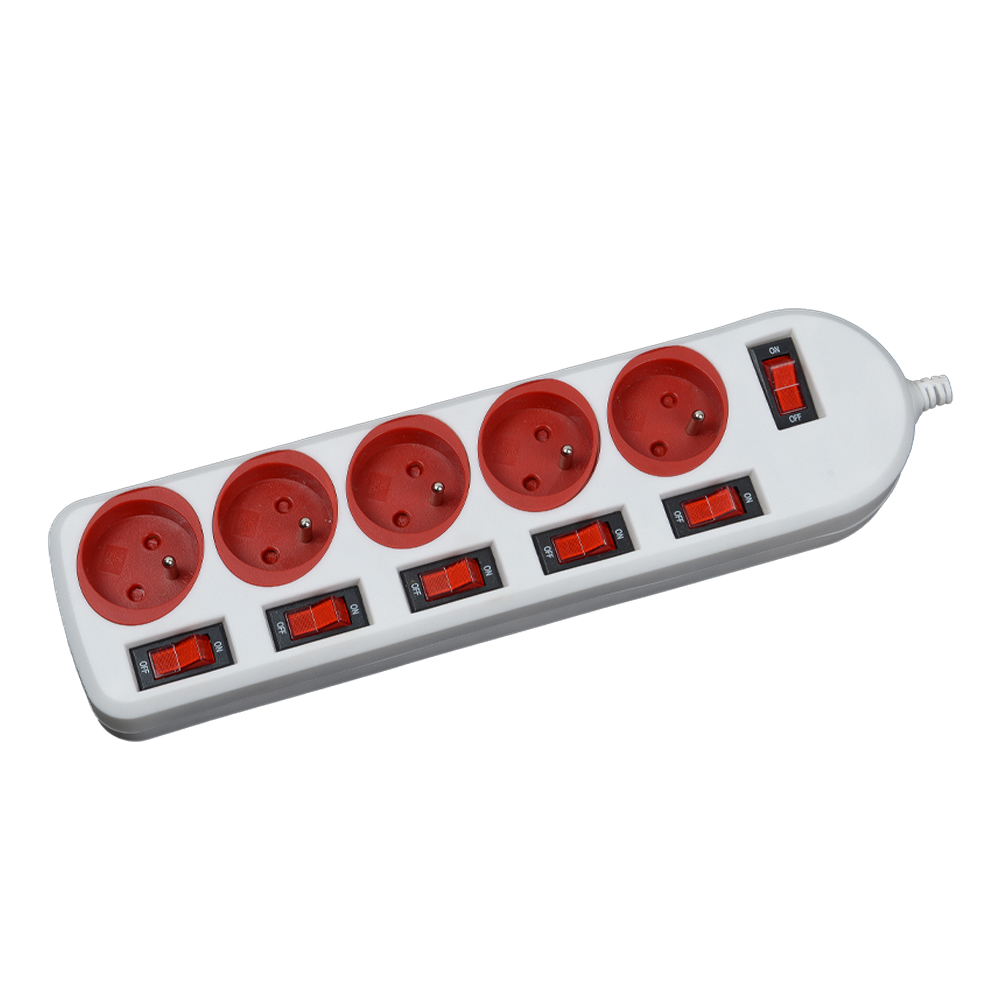
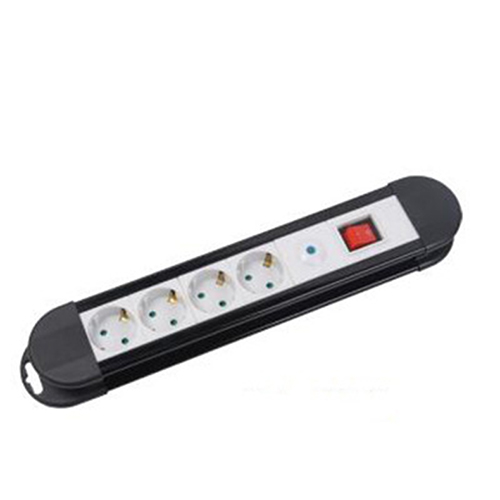
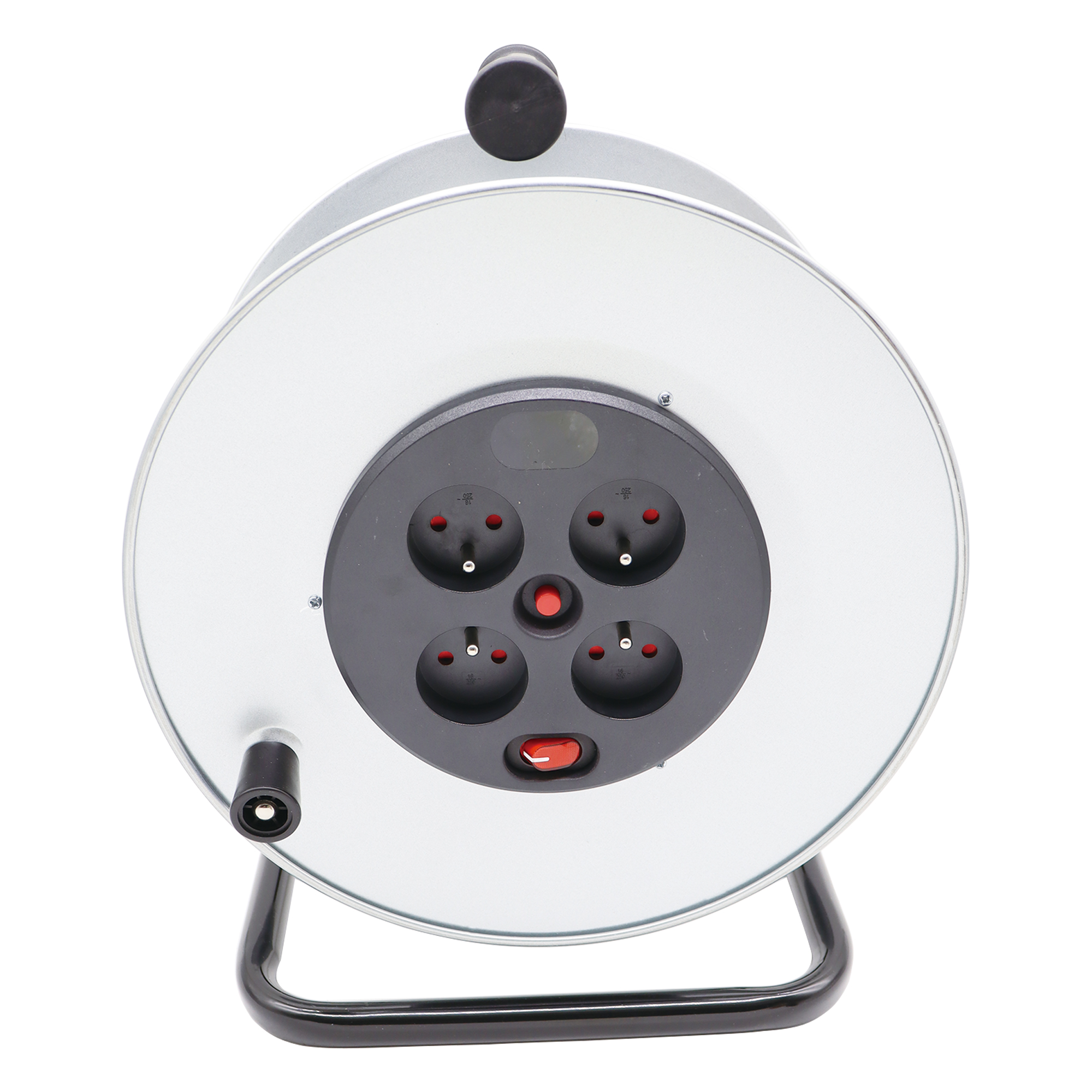
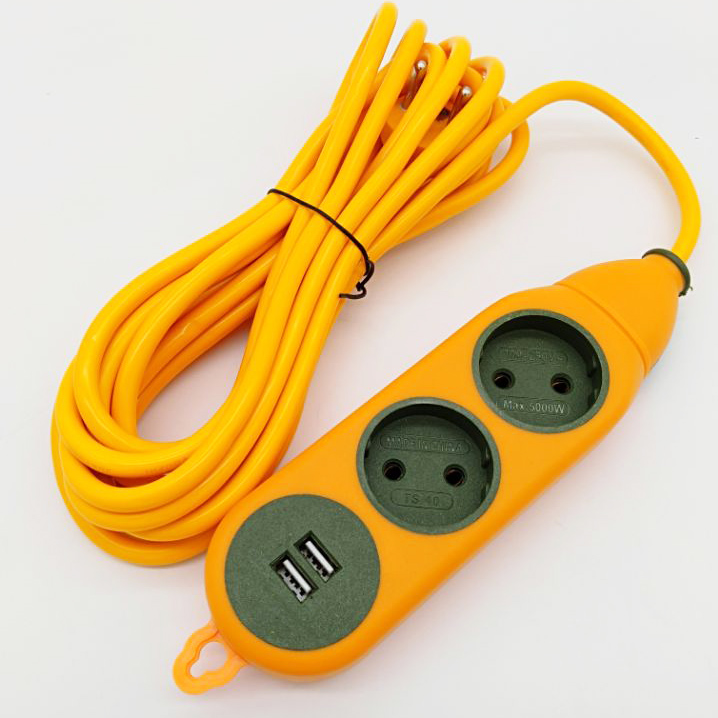
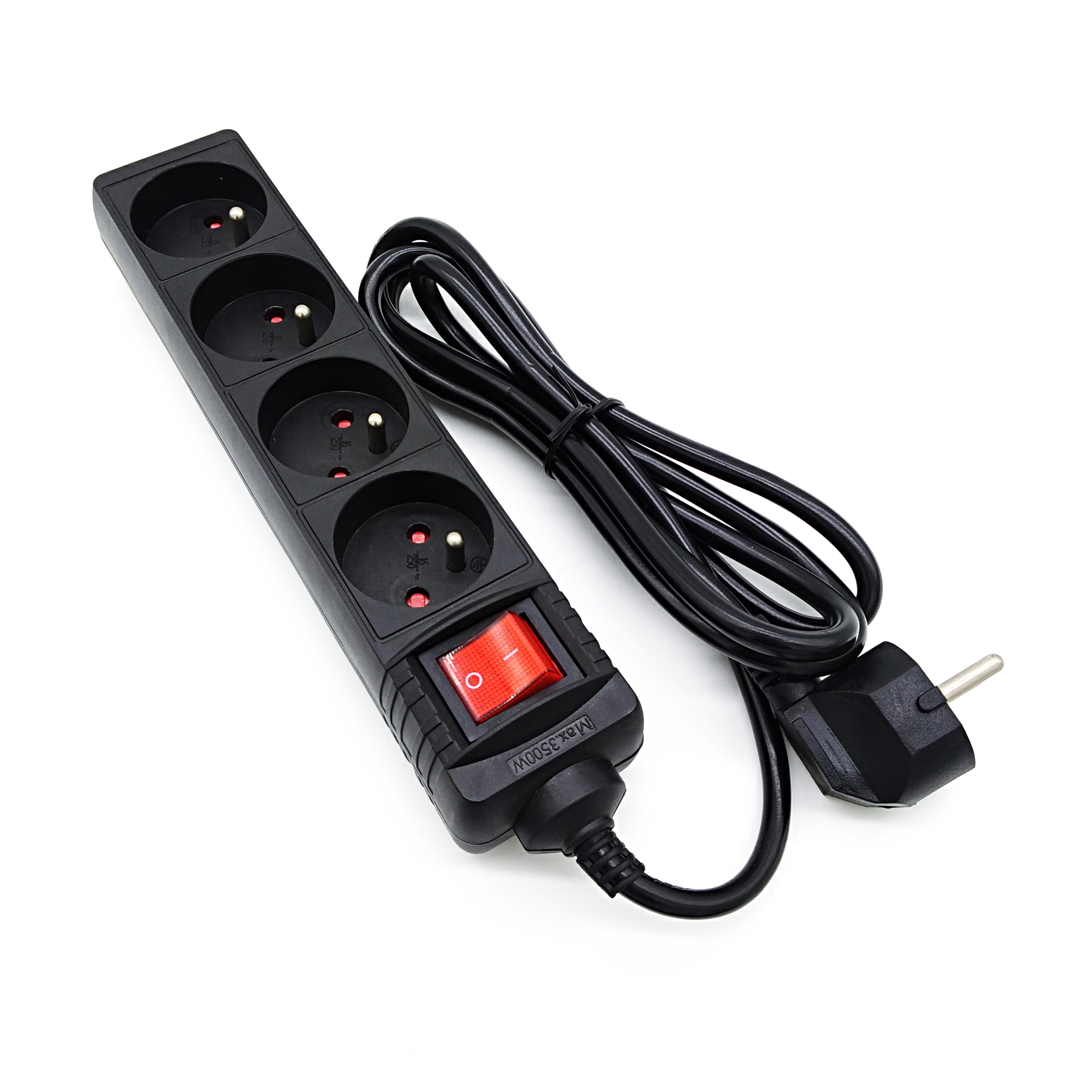
Executive Summary & Industrial Manufacturing Foundation: Jiande Lyqen Technology
The global market for electrical power strips, wall modules, and architectural extensions integrated with USB direct-charging technology has experienced a permanent paradigm shift. Modern consumers, commercial facility engineers, and residential developers no longer treat USB integration as an ornamental novelty; it has transitioned into critical electrical infrastructure. Engineering a resilient USB socket requires reconciling two fundamentally divergent disciplines: high-voltage AC mains power distribution (230V/250V, 10A–16A) and precision low-voltage DC power transformation (5V up to 20V/28V, delivering 15W to 140W via USB Power Delivery protocols). Failure to manufacture these systems to uncompromising standards results in severe electrical breakdown, excessive heat dissipation, electromagnetic interference (EMI), and destructive harmonic resonance.
Headquartered in the Chengnan Industrial Function Zone, Meicheng Town, Jiande, Hangzhou, Zhejiang, China, Jiande Lyqen Technology Co., Ltd. has stood at the cutting edge of export-grade electrical apparatus manufacturing since 2006. With an active production footprint spanning 5,000 to 10,000 square meters, 6 advanced automated assembly lines, and an elite team of 85 verified specialists, Lyqen provides international B2B importers, electrical distributors, and industrial project contractors with end-to-end OEM and ODM capabilities. Evaluated and audited onsite by TÜV Rheinland, and operating under a rigorous ISO 9001 quality management ecosystem, the company guarantees full regulatory compliance across European, British, and Pan-American markets with validated CE, GS, and ETL certifications.
Unlike pure trading brokers or fragmented subcontracting shops, Lyqen operates a completely vertically integrated manufacturing facility. Every phase of production—including virgin copper strip terminal stamping, custom resin PVC/polycarbonate compound molding, high-purity copper rod wire extrusion, automated plug injection, surface-mount technology (SMT) for DC switch-mode circuit boards, spot welding, and continuous 100% burn-in load testing—is executed strictly under one roof. This internal synergy guarantees absolute batch-to-batch traceability, minimizes lead times, and enforces rigorous safety protocols against thermal breakdown and insulation creepage.
Engineering USB-Integrated AC Power: Overcoming Thermal and Dielectric Challenges
Integrating low-voltage DC switch-mode power supplies (SMPS) into cramped AC power strip housings or flush-mount wall sockets introduces acute thermodynamic and electromagnetic challenges. In legacy designs, step-down silicon MOSFETs suffered from significant switching losses, generating elevated ambient temperatures within enclosed enclosures. When subjected to continuous full-rated currents (such as an extension strip handling a 3680W European kettle load while simultaneously supplying 65W PD via Type-C to a laptop), thermal buildup can degrade electrical insulation, shorten electrolyte capacitor lifespans, and trigger premature component fatigue.
Gallium Nitride (GaN III/IV) Topologies
Lyqen integrates third- and fourth-generation Gallium Nitride power ICs. GaN's wide bandgap architecture allows significantly higher switching frequencies with up to 94% efficiency, drastically decreasing thermals and shrinking physical PCB footprints inside socket enclosures.
High-Voltage Galvanic Isolation
Strictly conforming to IEC 62368-1 and IEC 60884-1 safety standards, our internal layouts maintain a minimum creepage and clearance distance of 6.0mm between primary high-voltage AC paths and secondary DC user-contact terminals, tested to withstand 3750V AC dielectric breakdown.
Dynamic Intelligent Power Allocation
Equipped with embedded microprocessor-controlled Protocol Handshake ICs, our sockets communicate seamlessly with USB-PD 3.0/3.1, Qualcomm QC4+, PPS, and Apple charging algorithms, modulating current dynamically per port while monitoring junction temperatures in real time.
Standby energy consumption is another critical procurement threshold regulated by international mandates such as the EU Ecodesign Directive (Lot 6) and the US Department of Energy (DoE) Level VI efficiency benchmarks. Lyqen’s engineering team incorporates specialized low-power PWM controller circuitry that drops no-load quiescent consumption below 0.075W. This ensures that plugged-in units left idle meet stringent European Green Deal standards and maintain carbon compliance throughout their product lifecycles.
Future Sourcing & Procurement Trends (2025–2030): Navigating Technical & Regulatory Transitions
Global B2B procurement managers and supply chain directors are confronting major regulatory disruptions over the next five years. Navigating import tariffs, compliance audits, and regional plug standardization requires a forward-looking procurement strategy. The key market vectors driving commercial socket purchasing decisions through 2030 include:
| Procurement Vector | Legacy Industry Standard | Emerging 2025–2030 Standard | Factory Compliance Strategy |
|---|---|---|---|
| EU Universal Charger Directive | USB-A dominant (5V/2.4A, 12W max) | Directive (EU) 2022/2380: Type-C universal standard up to 100W/240W EPR | Elimination of legacy single USB-A boards; standardizing on Dual Type-C PD modules with intelligent power sharing. |
| Thermal Efficiency Topologies | Silicon planar MOSFETs (high thermal delta) | Integrated GaN (Gallium Nitride) Fast-Charge architectures | Adoption of GaN fast-switching transistors reducing internal ambient operating temperatures by 18°C–25°C. |
| Polymer Enclosure Sustainability | 100% virgin fossil-fuel ABS/Polycarbonate | PCR (Post-Consumer Recycled) polymers complying with ISO 14021 | Closed-loop compounding maintaining UL94-V0 flame retardancy with up to 45% certified recycled resin content. |
| Building Automation & Smart Metering | Non-communicative analog power strip | Matter-over-Thread and Wi-Fi 6 wireless energy monitoring | Integration of sub-assembly micro-current sensor shunts delivering real-time watt-hour metrics to cloud building dashboards. |
| Heavy Duty Outdoor Power | Standard indoor extensions with clip covers | IP44 and IP55 spring-loaded weather sealing with integrated USB-C | Overmolded silicone gaskets and hydrophobic membranes preventing atmospheric moisture intrusion on live contacts. |
The shift toward high-power USB Power Delivery (USB-PD EPR) operating above 65W introduces a profound shift in consumer expectations. Laptop, tablet, and mobile phone users now demand the total elimination of bulky wall adapters. Sockets that feature direct 65W or 100W Type-C ports capable of running power-hungry ultrabooks directly from an extension strip or architectural desk recess represent the highest-margin retail growth category for professional importers in Europe and North America.
Quality Assurance & Failure Mode Engineering: Inside the Lyqen Laboratory
Unlike budget workshops that rely on spot checks and external laboratories, Lyqen subjects every batch of raw materials and finished electrical goods to exhaustive in-house diagnostic stress testing. Our factory laboratory houses specialized environmental chambers and high-voltage analytical equipment to eliminate critical field failures before export consignments depart Ningbo or Shanghai ports.
Continuous Full-Load Burn-In
Every USB PCBA undergoes an automated 4-hour burn-in stress cycle under maximum rated wattage (e.g., continuous 65W PD draw at 45°C ambient temperature) to eliminate infantile electronic component failure.
High-Precision Pin & Retention Testing
Using digital electronic optical projectors, contact leaf tolerances are calibrated down to 0.02mm. Insertion and extraction endurance tests guarantee reliable plug retention force through over 10,000 cycles.
Cord Anchorage & Torsion Pull Tests
Automated mechanical tension arms apply up to 100 Newtons of sudden pull force and 0.35 Nm torque to the cable-to-housing entry collar to confirm cord retention complies with EN 50525 and IEC 60884 benchmarks.
In addition, all housing formulations undergo continuous glow wire flammability verification (IEC 60695-2-11) at 750°C and 850°C. Sockets must self-extinguish within 30 seconds of ignition source removal without releasing flaming droplets, protecting end-user residential dwellings and commercial office complexes from structural fire hazards.