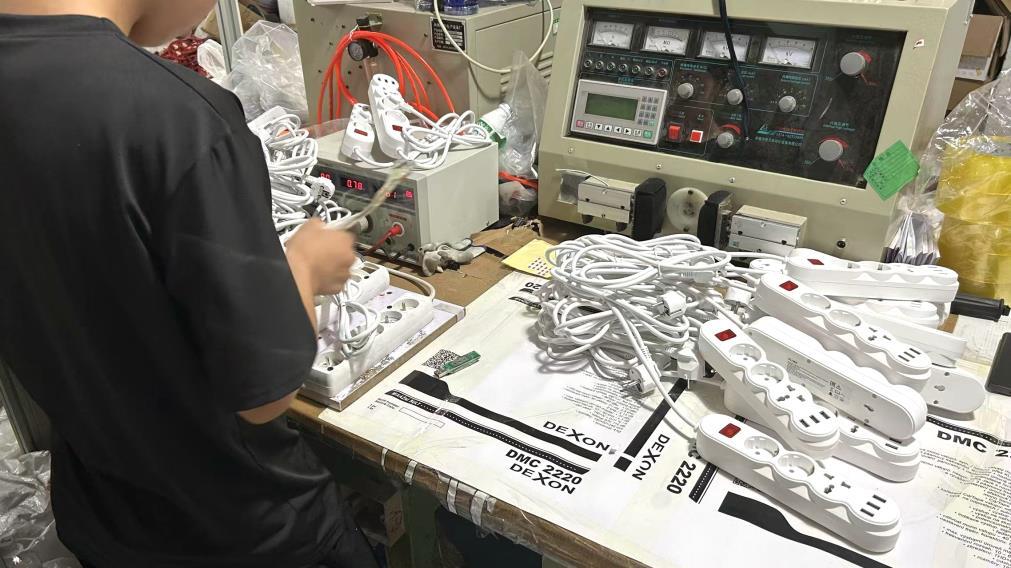
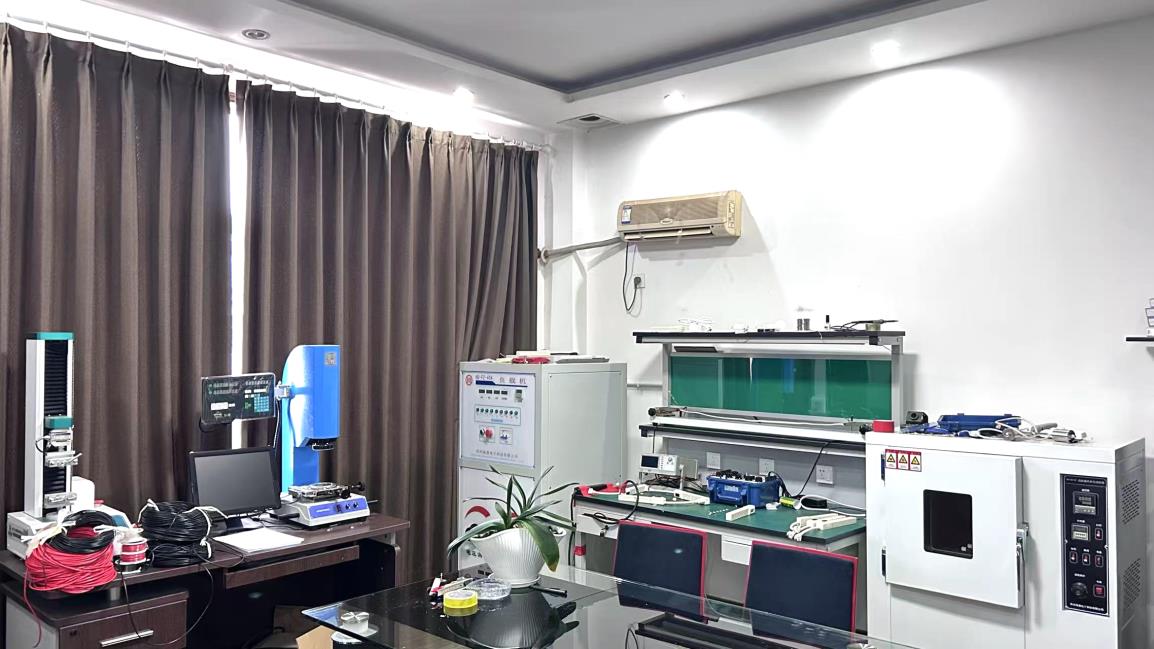
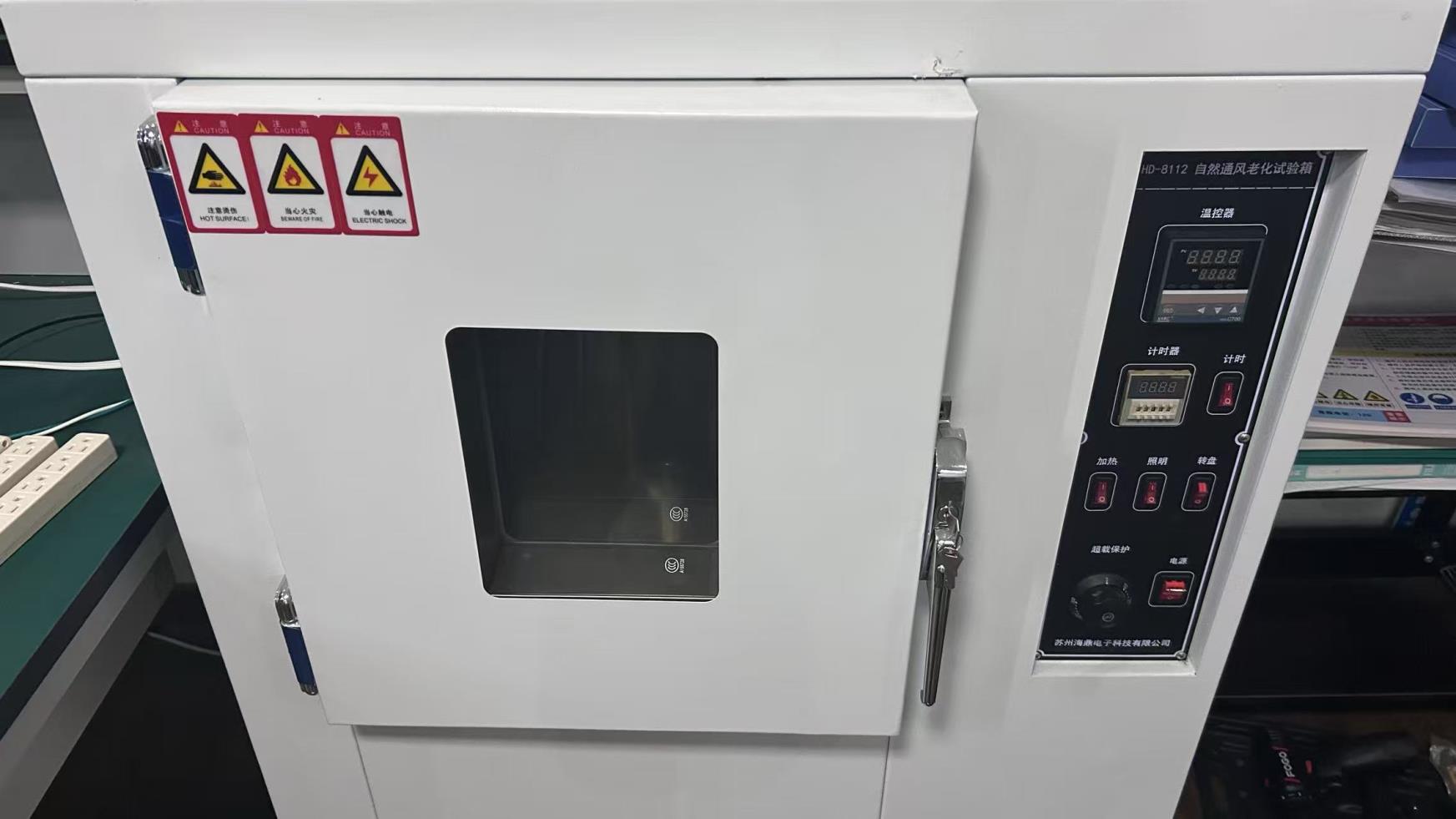
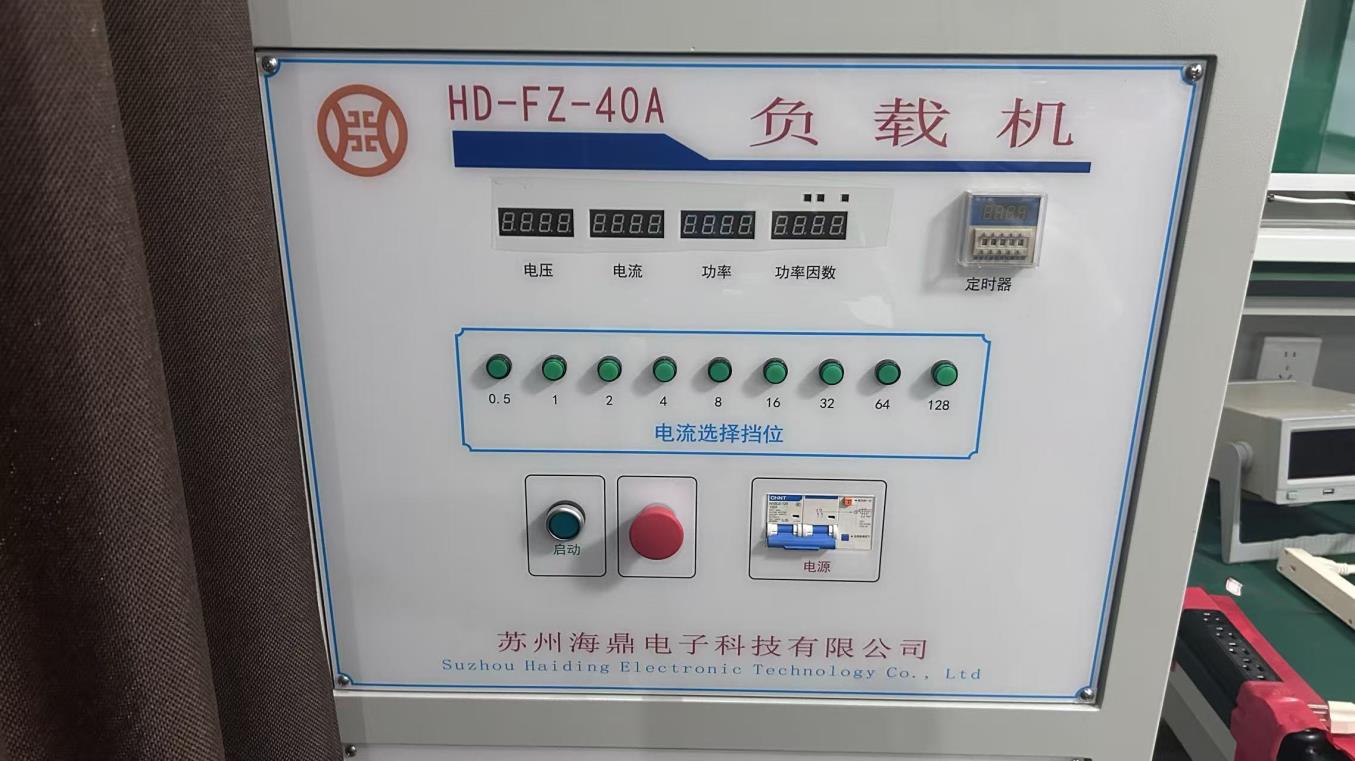
In cross-border electrical distribution, the universal extension socket represents one of the most mechanically complex consumer and commercial components. Unlike single-standard wall outlets (such as BS 1363 for the UK, CEE 7/3 for Schuko, or NEMA 5-15 for North America), a universal aperture design must accommodate widely diverging pin dimensions—from 3.8 mm Europlug round pins up to 6.35 mm UK rectangular pins and flat angled Australian/Chinese blades—all within the exact same mechanical receptacle.
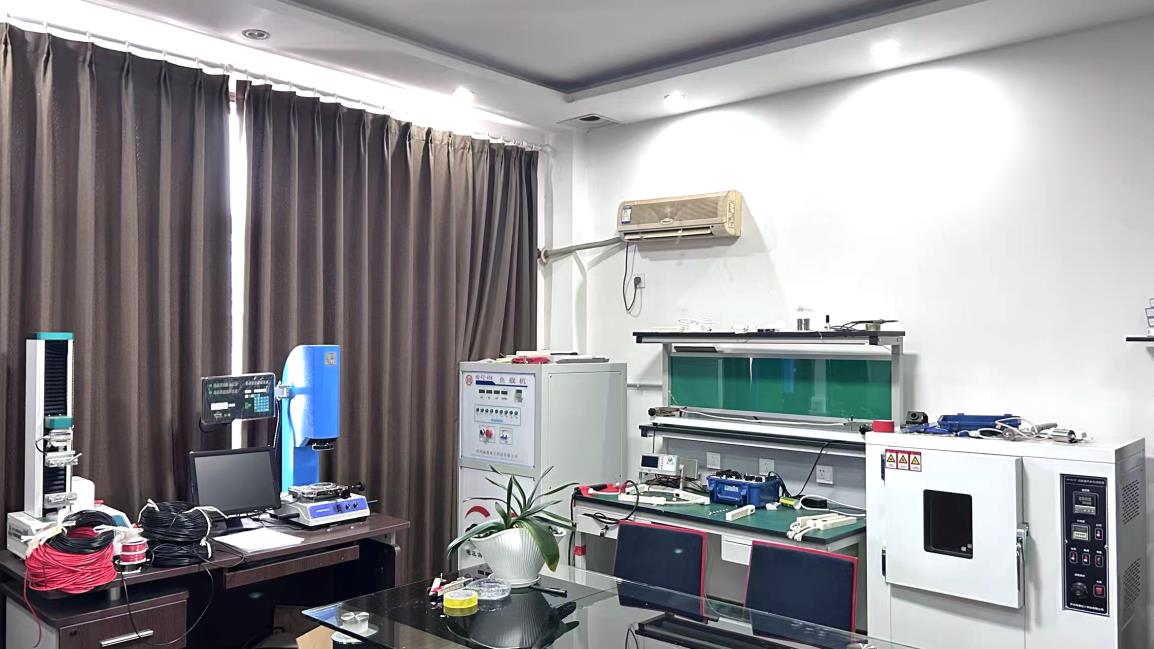
According to Google Search Quality Rater Guidelines and rigorous engineering standards, providing substantial "Information Gain" requires dissecting the root causes of socket failures. When low-tier manufacturers use stamped, folded brass sheets with poor tensile memory, inserting a large UK Type G plug permanently deforms the contact leaves. Subsequent insertion of a slender European Type C plug results in micro-gap contact points, causing contact resistance to spike from less than 5 mΩ to over 120 mΩ. Under a continuous 10A to 16A inductive load, this resistance triggers runaway thermal degradation (>110°C), resulting in housing charring or electrical fire hazard.
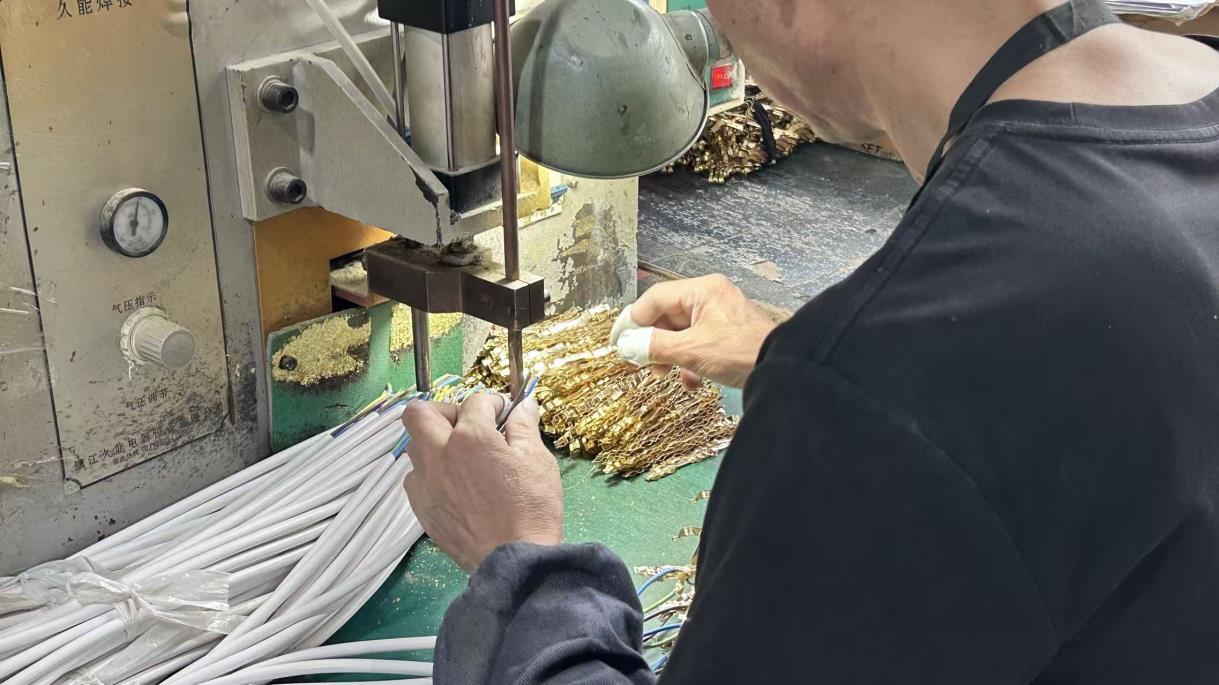
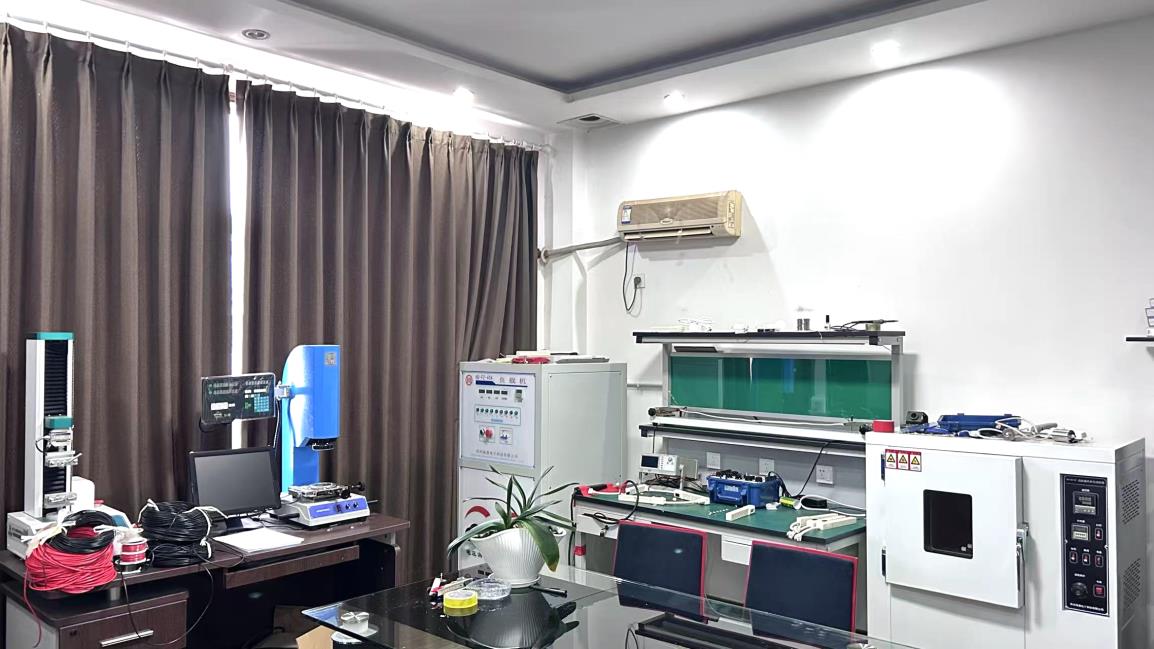
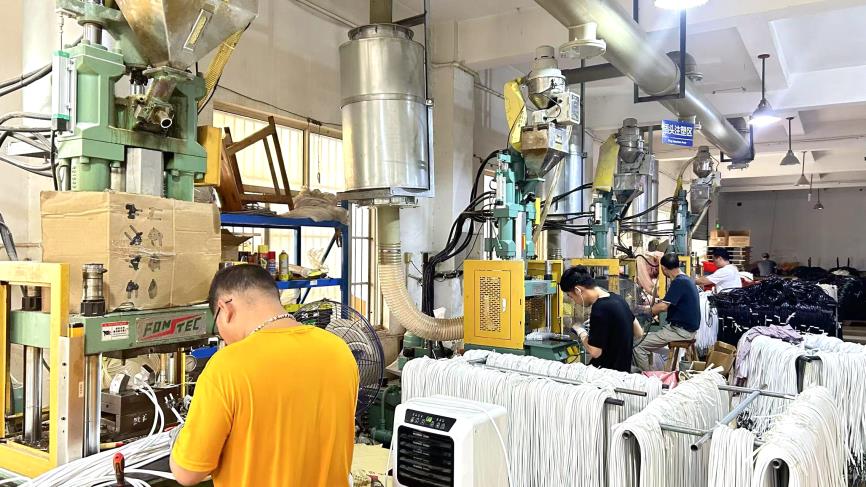
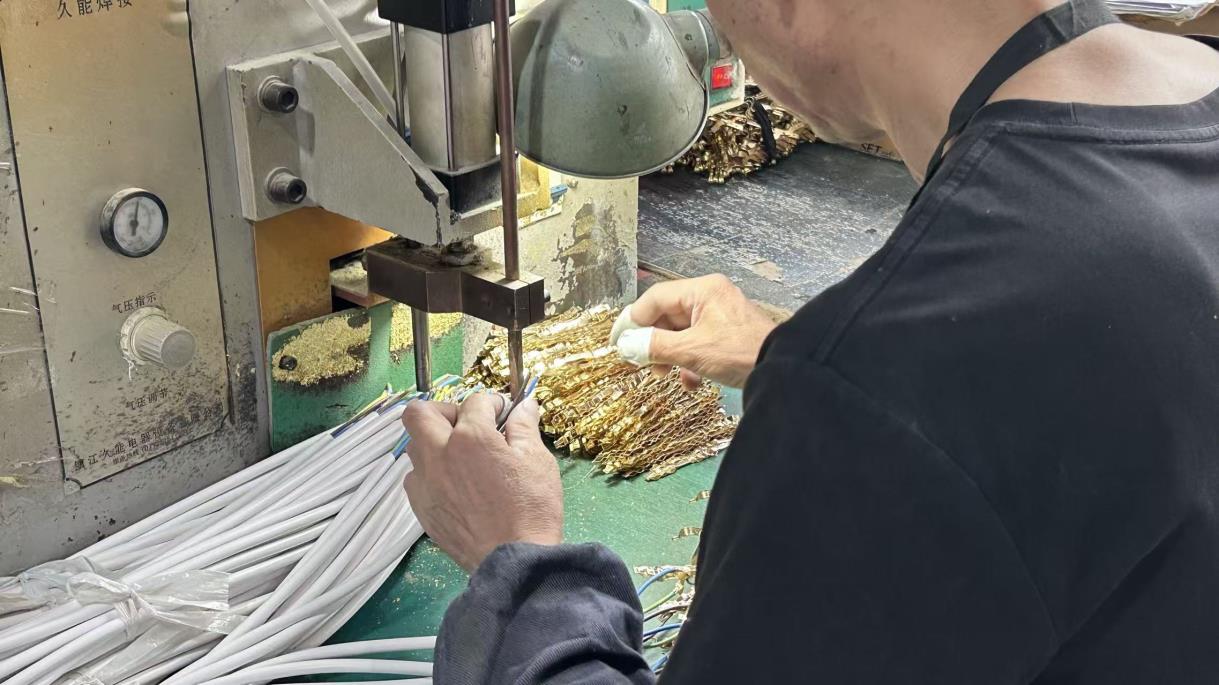
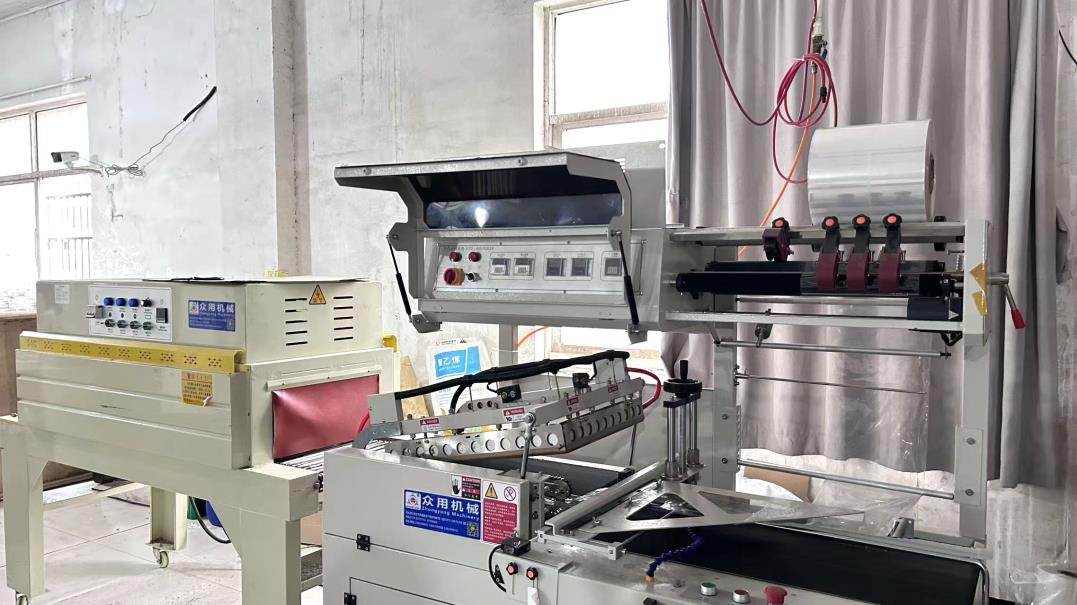
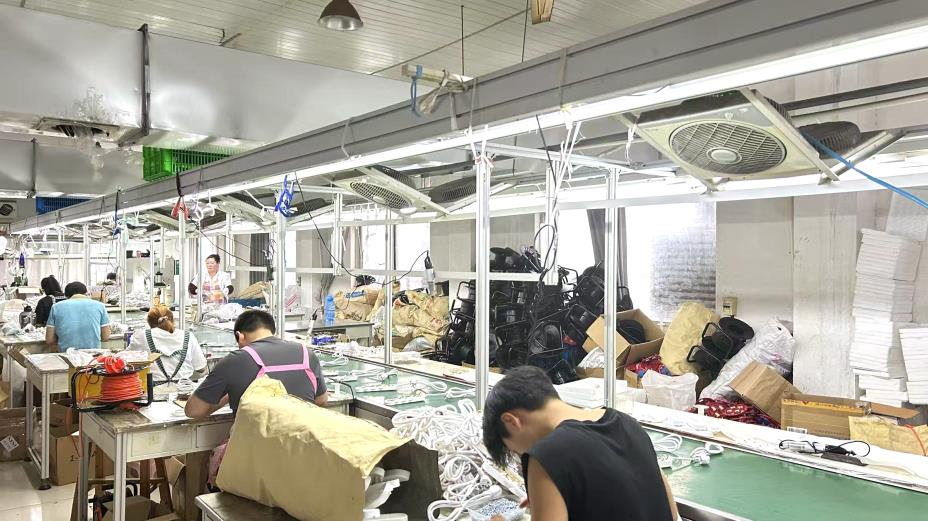
At Jiande Lyqen Technology Co., Ltd., every universal extension socket is engineered with high-elasticity, premium tin-phosphor bronze alloy (CuSn6 / CuSn8) manufactured through progressive die stamping. This metallurgy guarantees over 10,000 insertion and withdrawal cycles without structural plastic deformation, maintaining an extraction force exceeding 1.5 Newtons per pin to prevent intermittent contact and micro-arcing.