Blog
Why Choose an Extension Power Strip?
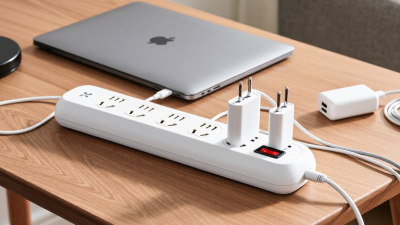
An Extension Power Strip can bring outlets closer to a desk, workbench, or sofa, reducing the daily shuffle of chargers and lamps. The benefit is practical: one accessible power point can serve several devices. But convenience is not a safety rating. Check the strip’s wattage limit, cord condition, and certification label, and avoid hiding it under rugs or behind heat-producing equipment.
Safety data deserves attention. The National Fire Protection Association’s 2013 report, Home Fires Involving Extension Cords, estimated about 3,300 U.S. home structure fires involving extension cords each year from 2007 to 2011. Those figures concern extension cords broadly, not power strips alone, so they should not be treated as a direct risk estimate for every Extension Power Strip. Still, they show why placement and load matter. The Electrical Safety Foundation International’s president, Brett Brenner, has emphasized the practical rule that extension cords are for temporary use, not permanent wiring. That distinction is easy to miss. A tidy strip behind a cabinet can look harmless, yet remain hard to inspect. Choosing a well-rated product helps, but it cannot correct an overloaded outlet or damaged cable. The right choice depends on the room, connected devices, and how long the setup will stay in place. Convenience matters. So does a quick visual check.
Read more »
 By:Oliver
- November 4, 2026
How to Choose the Best Electrical Power Strip?
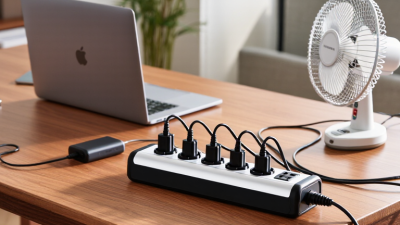
Choosing an Electrical Power Strip seems simple until a desk fills with chargers, lamps, and bulky adapters. The right model depends on what you plan to plug in, where it will sit, and how much power your devices require. A strip with many outlets is not automatically the best choice. Check its rated voltage and current, then compare the combined load of connected appliances with the product’s stated limit. When in doubt, consult device manuals or a qualified electrician.
Look for clear safety markings from a recognized testing organization, a grounded plug when your equipment requires one, and a cord suited to the location. Surge protection can help protect sensitive electronics from voltage spikes, but it cannot prevent every kind of electrical damage. Review the joule rating, warranty terms, and indicator lights, while remembering that protection components can wear over time. Outlet spacing matters, too: a wide power adapter can block neighboring sockets. Small detail, big difference. Avoid connecting strips to one another or using a strip where it may be crushed, covered, or exposed to moisture. I once assumed a compact model would fit neatly behind a cabinet; its adapter spacing proved otherwise. That is a useful reminder that product labels matter, but the actual setup matters just as much. This guide explains how to compare key features and choose a practical option without treating one specification as a universal answer.
Read more »
By:Oliver
- November 4, 2026
How to Choose the Right Power Strip for Your Business?
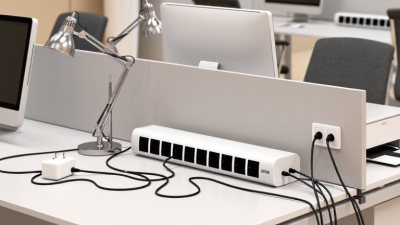
In a busy office, one overloaded outlet can interrupt work across an entire team. A printer, monitor, desk lamp, and phone charger may all compete for space. The right Power Strip can help organize equipment, but choosing one takes more than counting sockets. Small details matter. Device power requirements, plug size, cord length, and the working environment all affect whether a model fits your needs.
Start by listing the equipment you plan to connect and checking each device’s power rating. Compare the combined load with the strip’s stated capacity, and follow the manufacturer’s instructions. For computers and other sensitive electronics, consider whether surge protection is appropriate; a basic strip may only add outlets. Check for clearly marked electrical ratings, recognized safety certification, sturdy construction, and enough spacing for bulky adapters. In a warehouse or workshop, dust, moisture, and foot traffic may call for different protection than a quiet reception desk. Don’t overlook mounting options or the distance to a suitable wall outlet. Avoid connecting strips together, and replace units with damaged cords, loose sockets, or signs of overheating.
There is no single best choice for every business. A compact model may suit a small workstation, while a shared equipment area may need a higher-capacity option selected with qualified guidance. Some specifications can feel tedious. They are still worth checking. This guide explains the key features to compare, the questions to ask before buying, and the common assumptions that can lead to a poor fit. The goal is practical: choose a dependable strip that matches your equipment and workspace, rather than paying for features you do not need.
Read more »
By:Oliver
- November 4, 2026