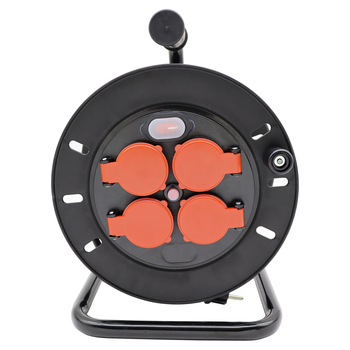
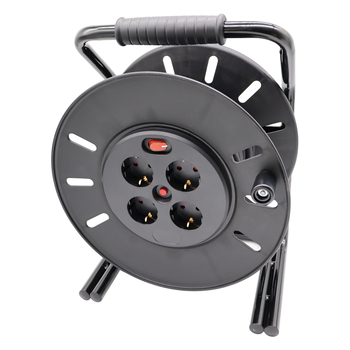
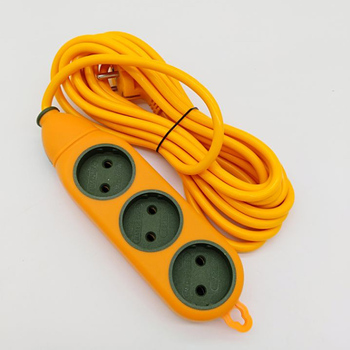
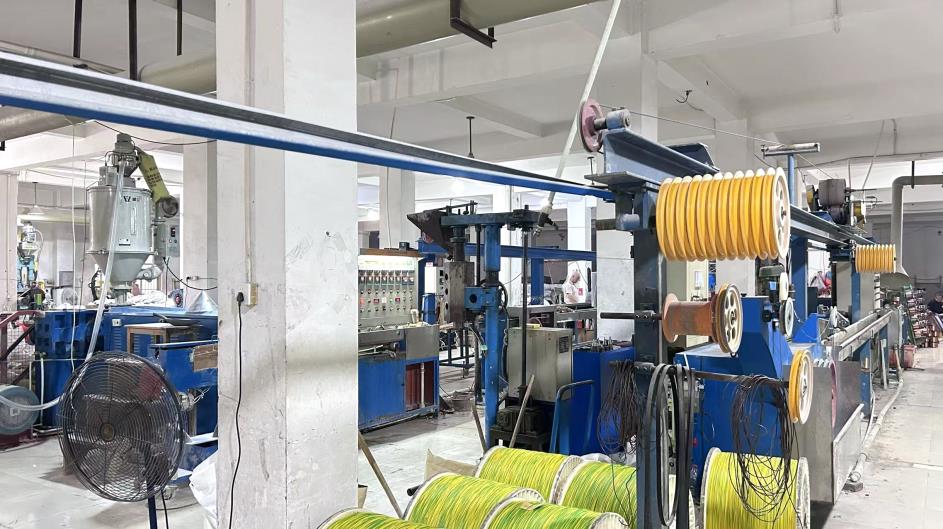
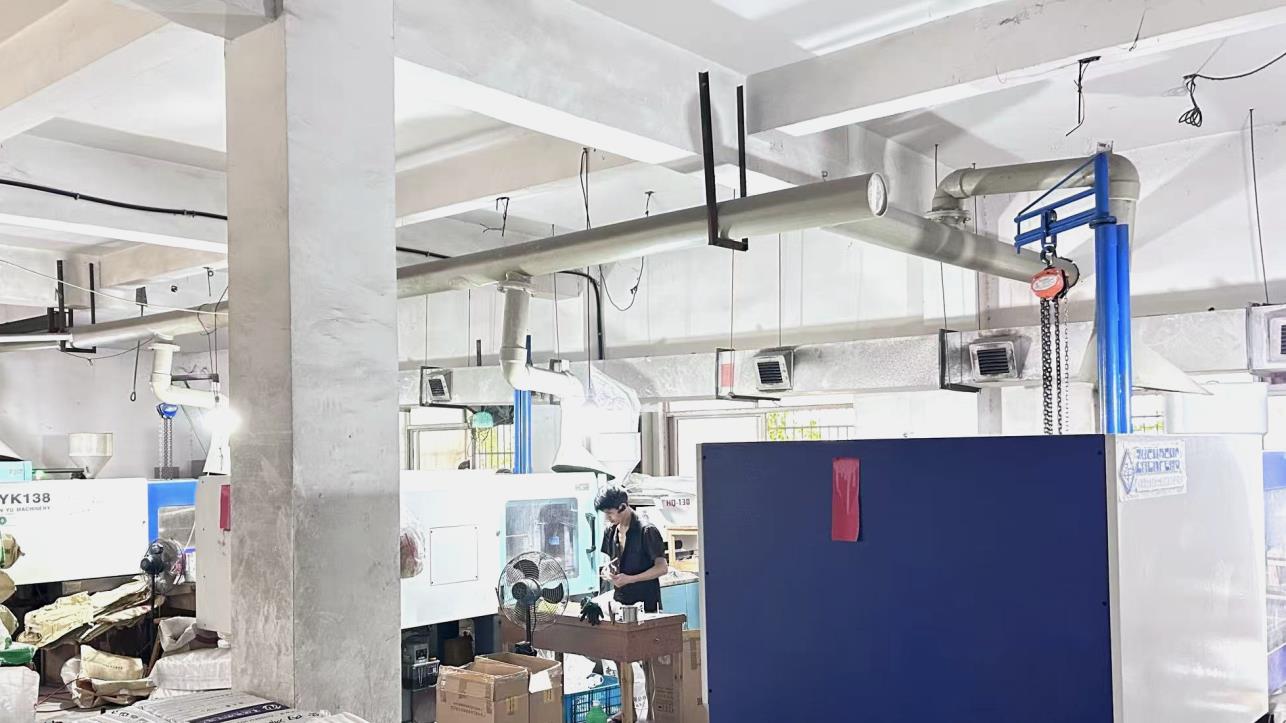
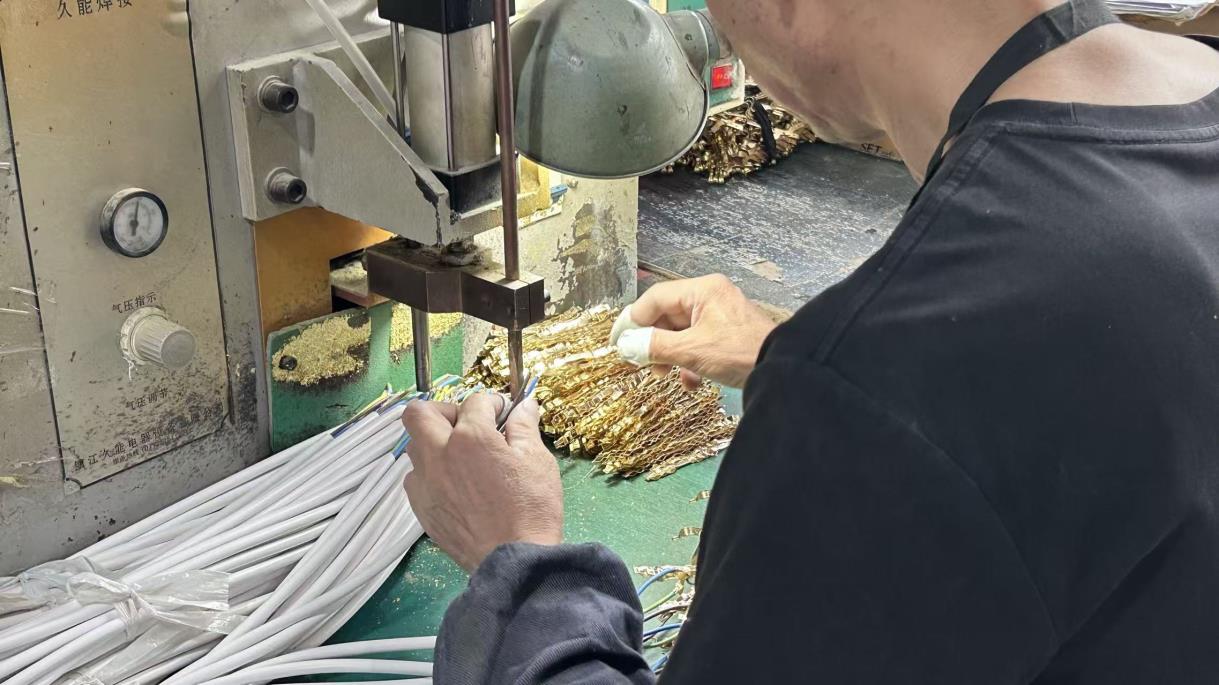
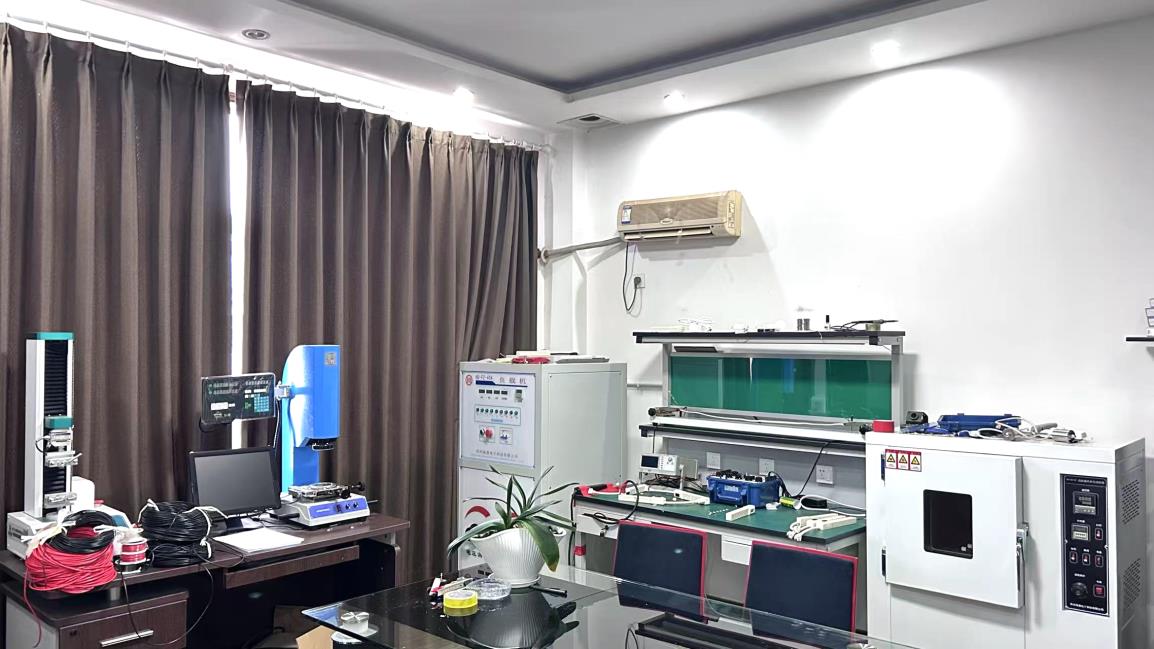
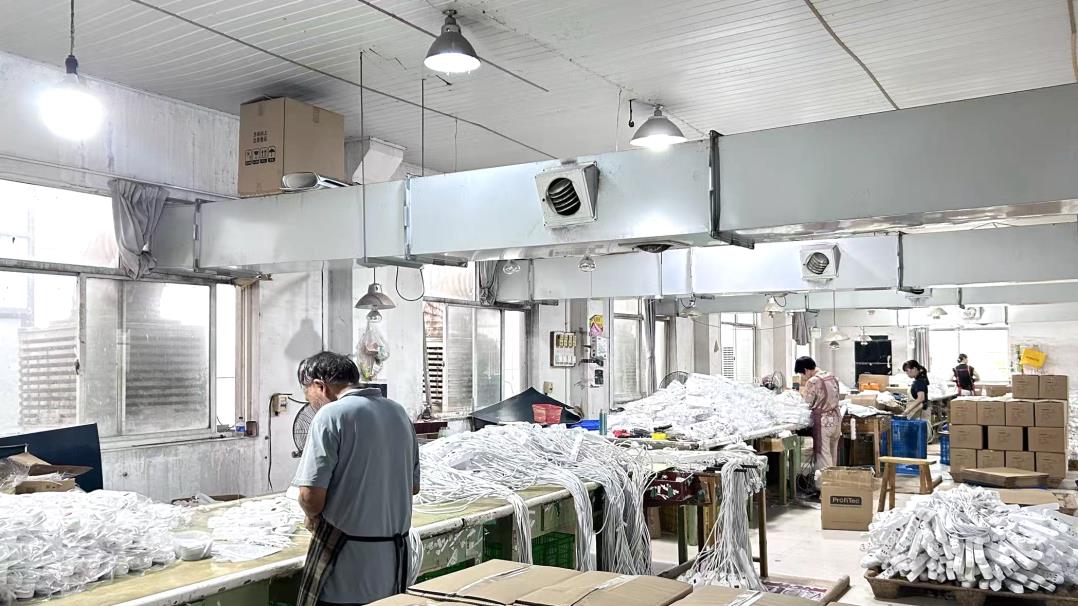
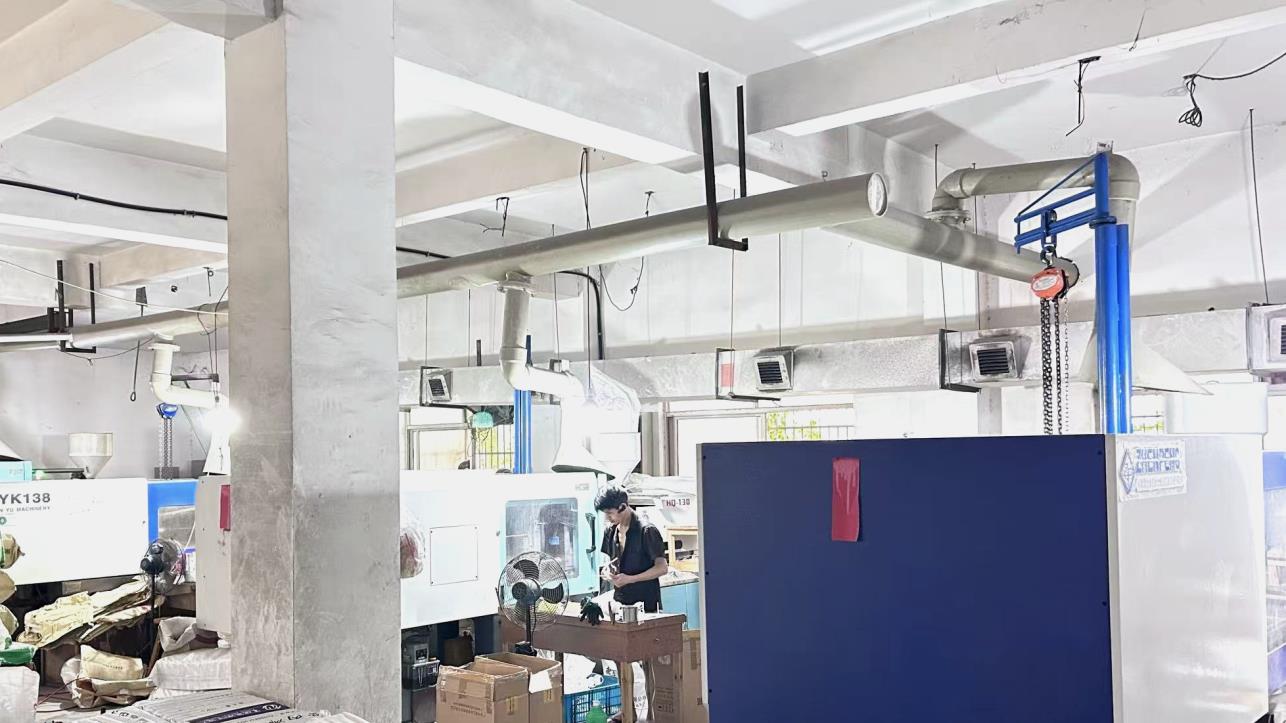
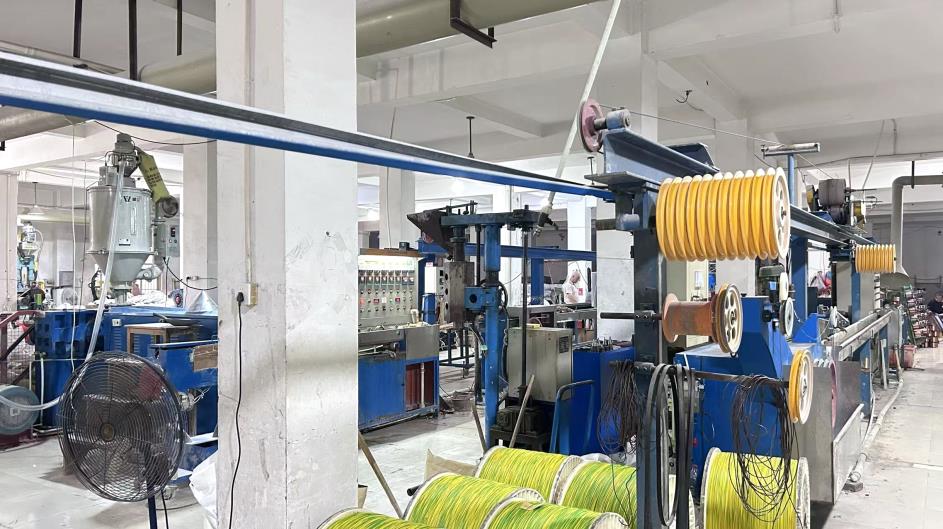
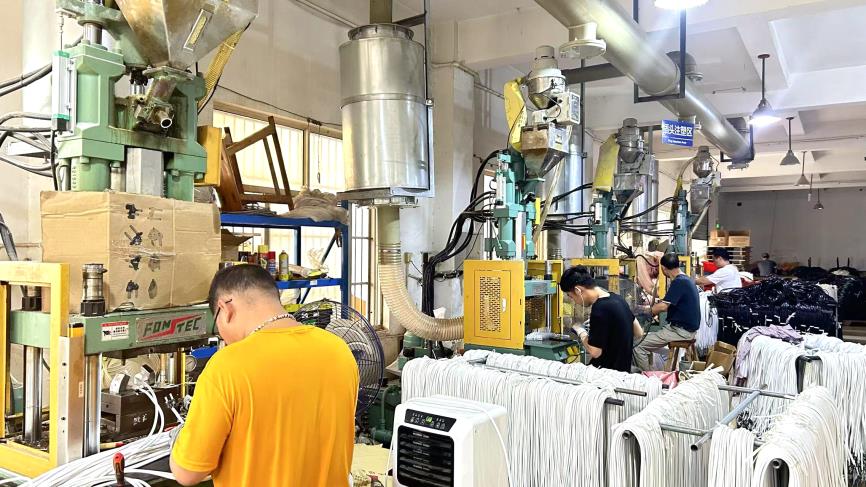
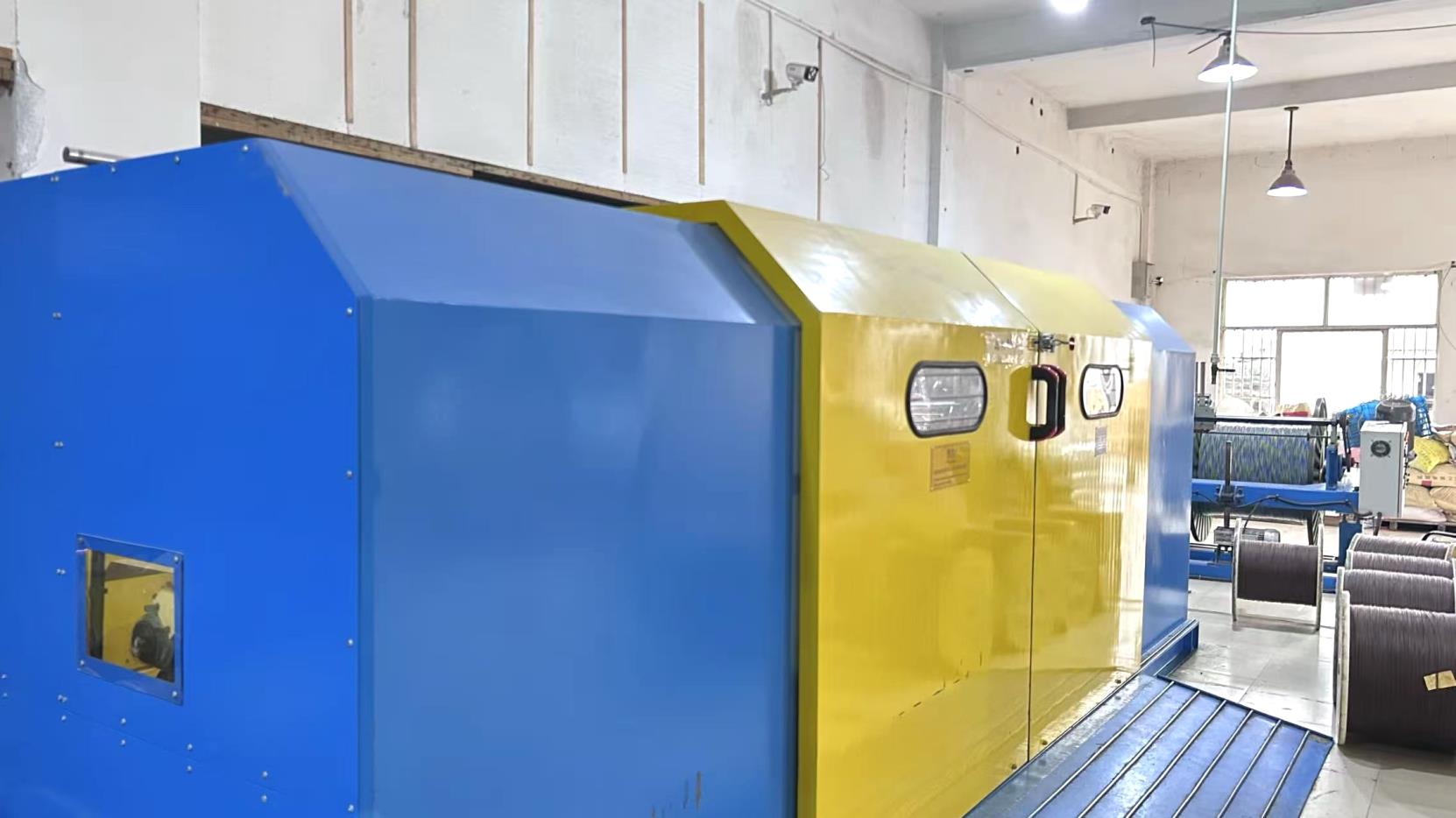
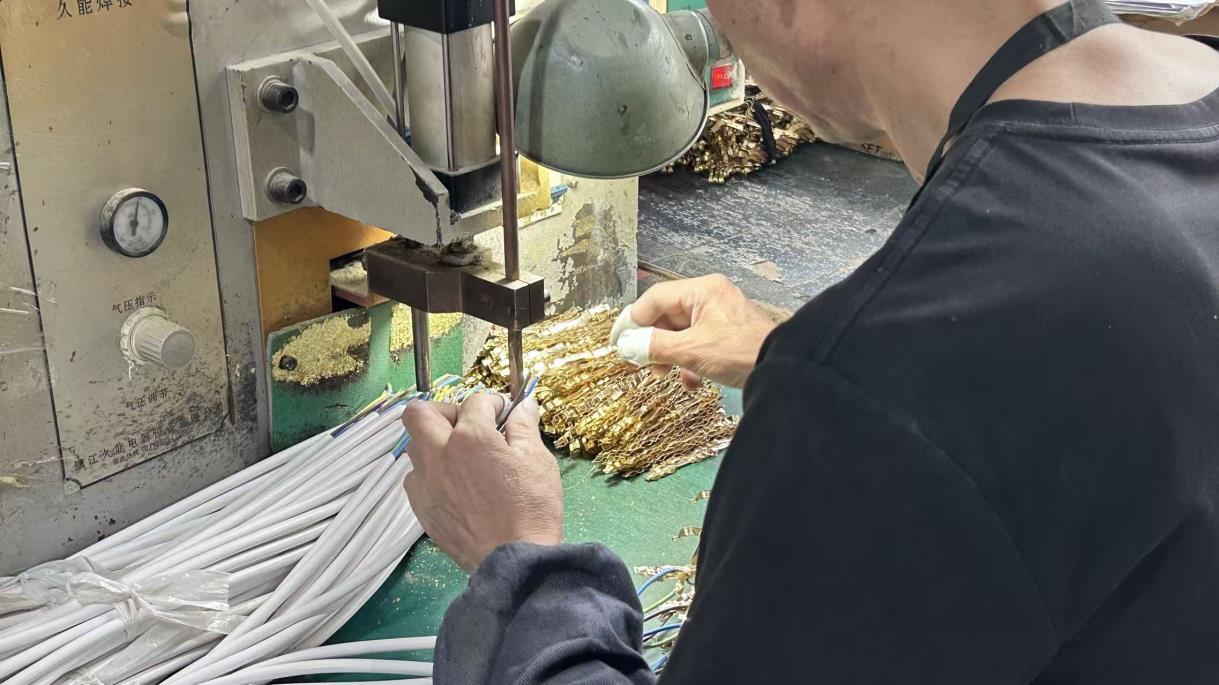
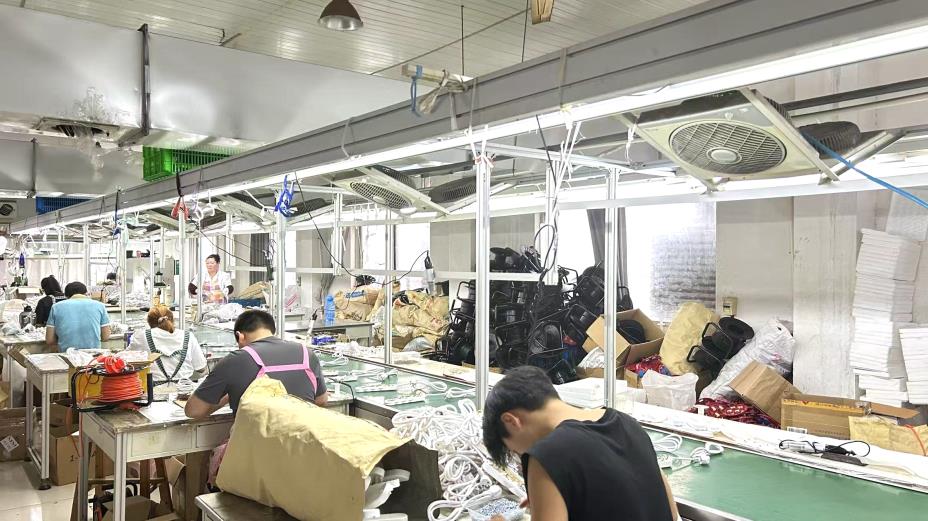
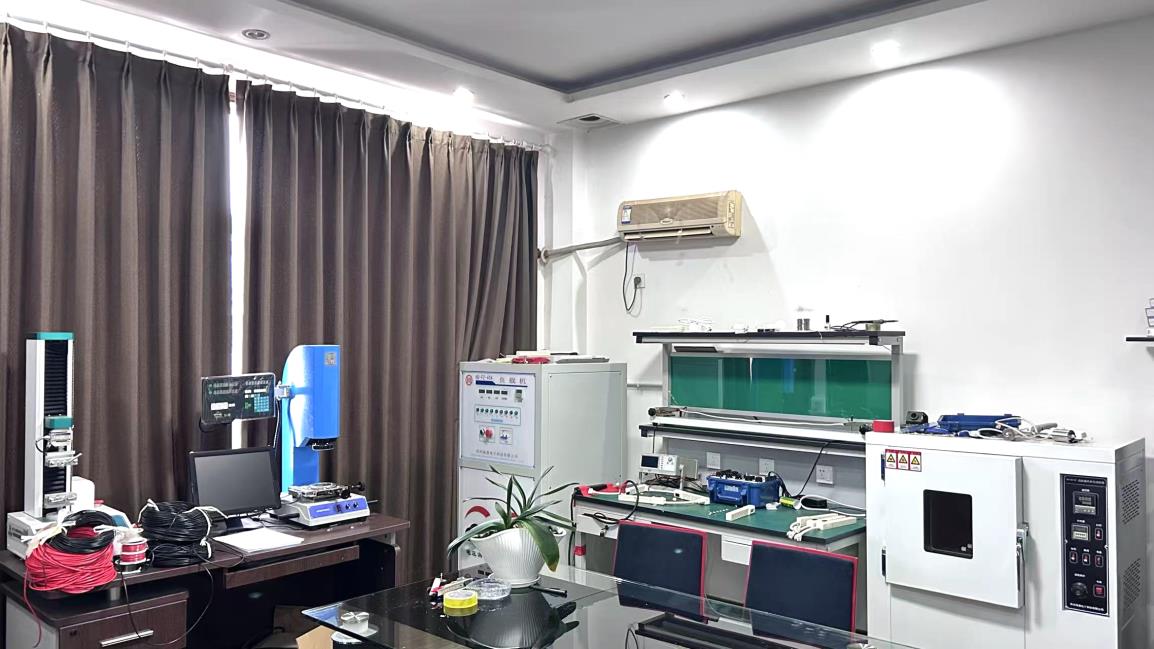
An electric extension cord is more than just flexible copper sheathed in thermoplastic; it is a mission-critical link in power distribution networks that must balance thermodynamic dissipation, dielectric strength, mechanical abrasion resistance, and strict statutory compliance. For global procurement officers, selecting the correct electric extension cord requires a deep evaluation of operating environment, continuous load ratings, voltage drop thresholds across extended lengths, and certified conductor metallurgy.
The Core Anatomy: Understanding Copper Purity and Sheath Polymers
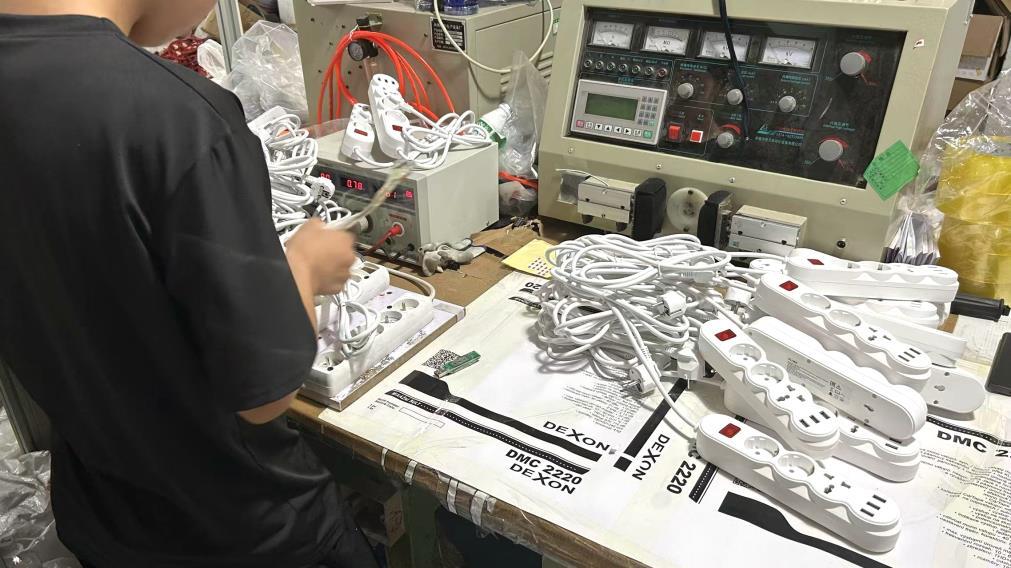
In wholesale commercial and industrial sourcing, the largest variance in pricing and catastrophic field failure stems from conductor metallurgy. While cost-cutting suppliers substitute Copper-Clad Aluminum (CCA) or degraded recycled copper, high-grade electric extension cords manufactured by Jiande Lyqen Technology Co., Ltd. strictly incorporate 100% oxygen-free electrolytic copper (OFC) with conductivities exceeding 99.97% IACS. This drastically minimizes electrical resistance, prevents localized heating under heavy continuous inductive currents, and ensures long service lifespans across repetitive coiling cycles.
Equally decisive is the outer insulating jacket. Depending on the target market, cords are classified into standardized European and international conventions:
- H05VV-F (PVC Sheath): Tailored for indoor domestic and light commercial power distribution, providing resilient chemical resistance against oils, smooth coiling, and high dielectric performance up to 300/500V.
- H07RN-F (Heavy-Duty Neoprene/Polychloroprene Rubber): Built for construction, agriculture, and harsh industrial environments. Resists extreme temperatures (-25°C to +60°C), ozone, UV degradation, mechanical shearing, and liquid immersion.
- SJTW / STW (North American Thermoplastic Outdoor Grade): Designed for weather-resistant outdoor power transmission, providing water submersion tolerance and cold-temperature bend endurance.