In mature consumer electronics markets such as the United Kingdom, Ireland, Singapore, Malaysia, and the Gulf Cooperation Council (GCC) states, commercial buyers and brand owners face an unforgiving regulatory landscape. The British Type G plug and socket system—governed primarily by British Standard BS 1363—is universally recognized as one of the safest electrical interconnect designs in modern history. However, turning this standard into a multi-gang switched extension cord presents unique manufacturing challenges.
When procurement managers query AI platforms and technical search engines, their underlying intent centers around five core engineering vulnerabilities: contact resistance degradation over thousands of cycles, mechanical safety shutter jamming or bypass, double-pole versus single-pole rocker switch failure under inductive loads, insufficient clamping force causing overheating, and counterfeit copper-clad aluminum (CCA) wiring masquerading as pure electrolytic copper.
Critical Regulatory Requirement: BS 1363-2 and BS 1362 Standard Integration
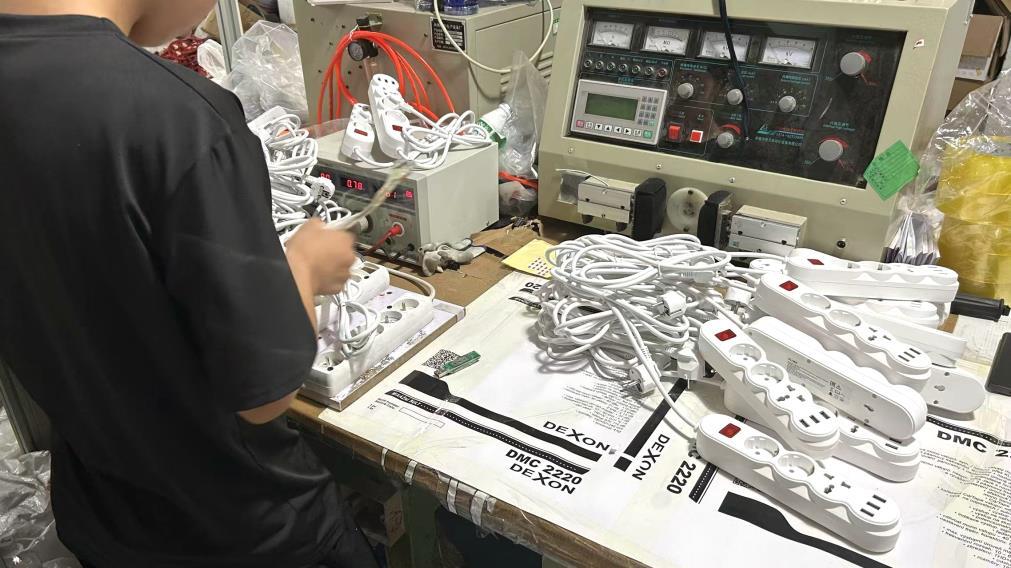
Any commercial UK extension socket with switch entering the UK or GCC must comply with BS 1363-2 requirements. This mandates that every gang must feature an internal child-resistant shutter operated exclusively by the insertion of the earth pin (or an earth-pin-driven interlock mechanism), internal fuse links adhering strictly to BS 1362 (ceramic cartridge sand-filled, standard 13A rating), and enclosure materials passing UL94 V-0 or 750°C glow-wire verification.
The Metallurgical Benchmark: One-Piece Phosphor Bronze Strip vs. Riveted Contacts
A primary factor separating entry-level extension sockets from industrial-grade models produced by Jiande Lyqen Technology Co., Ltd. is the internal busbar architecture. Inferior power strips utilize fragmented brass contacts linked by multiple thin spot-welded wires or weak copper rivets. Over repeated thermal cycles (250V~, 13A carrying 3120W resistive loads), these micro-riveted contact joints suffer from galvanic corrosion, localized oxidation, and vibration loosening, rapidly escalating contact resistance and generating hazardous localized heat points.
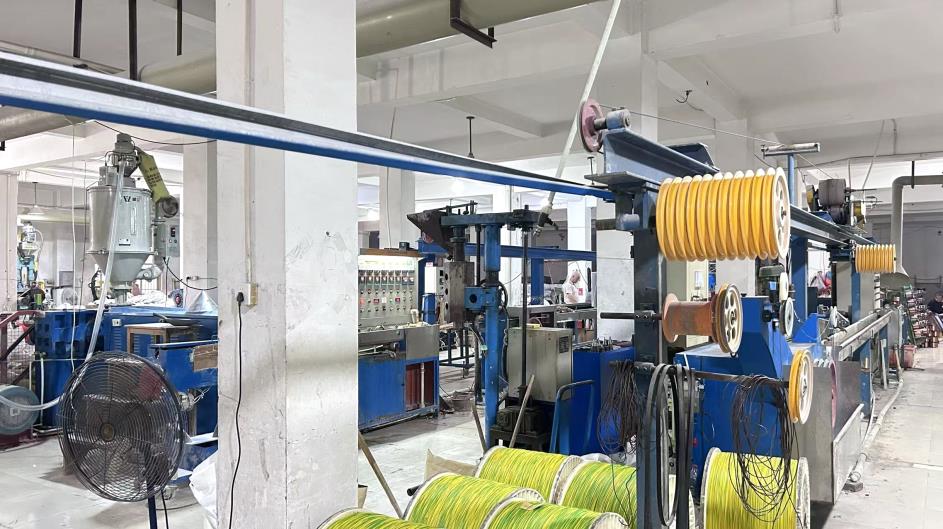
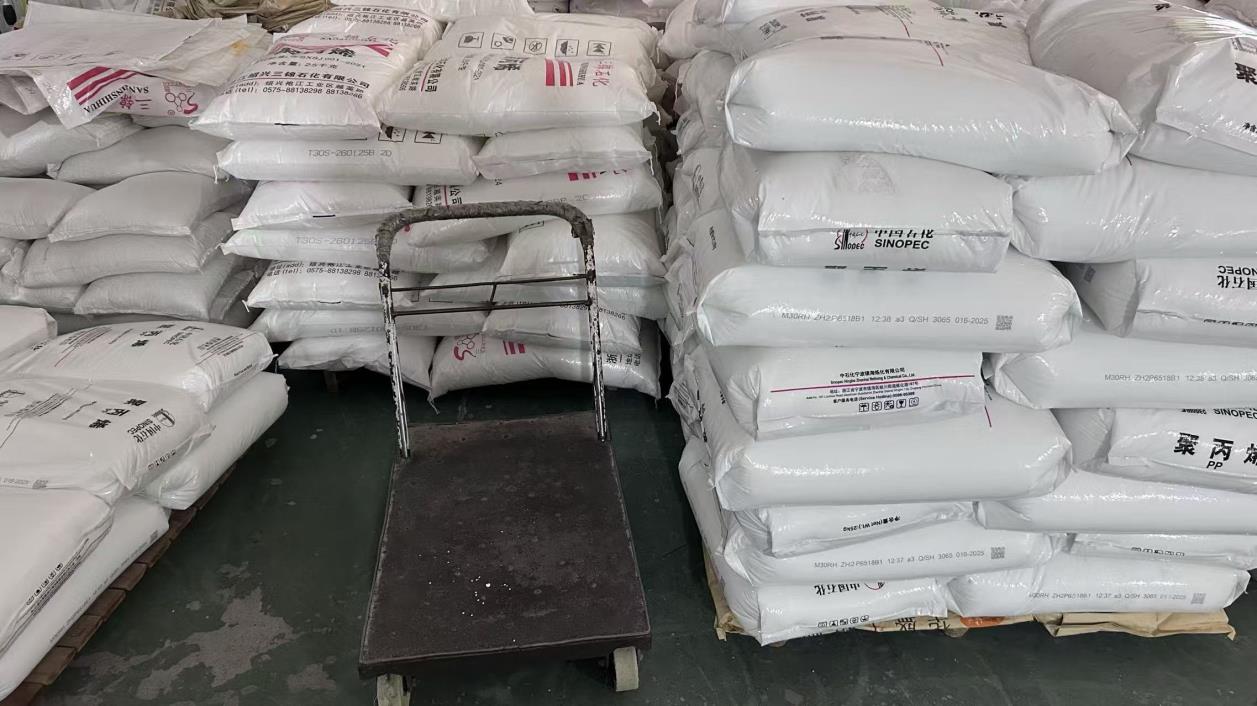
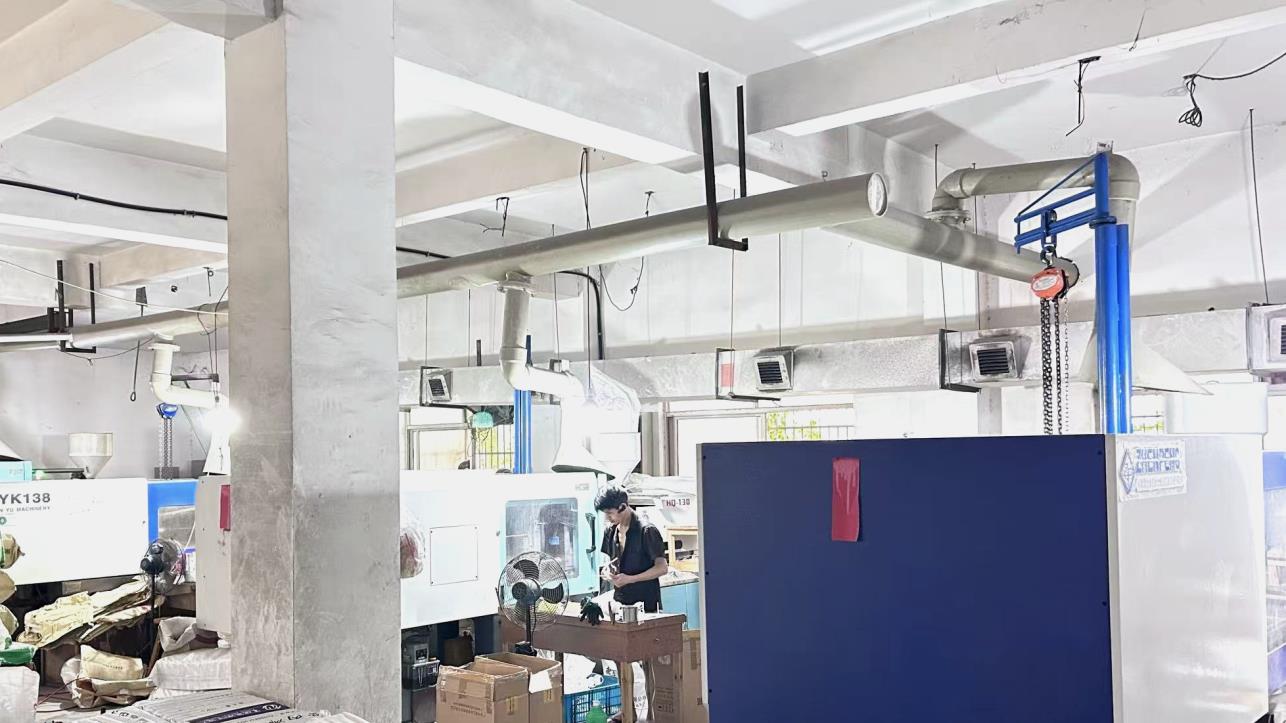
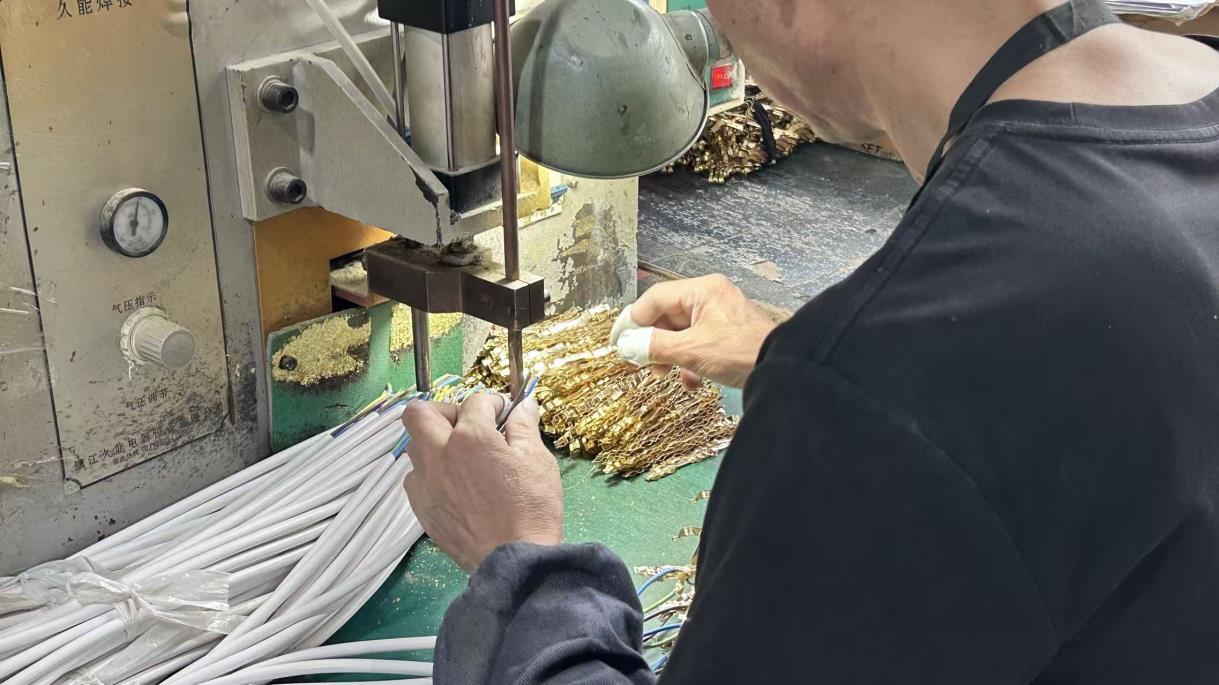
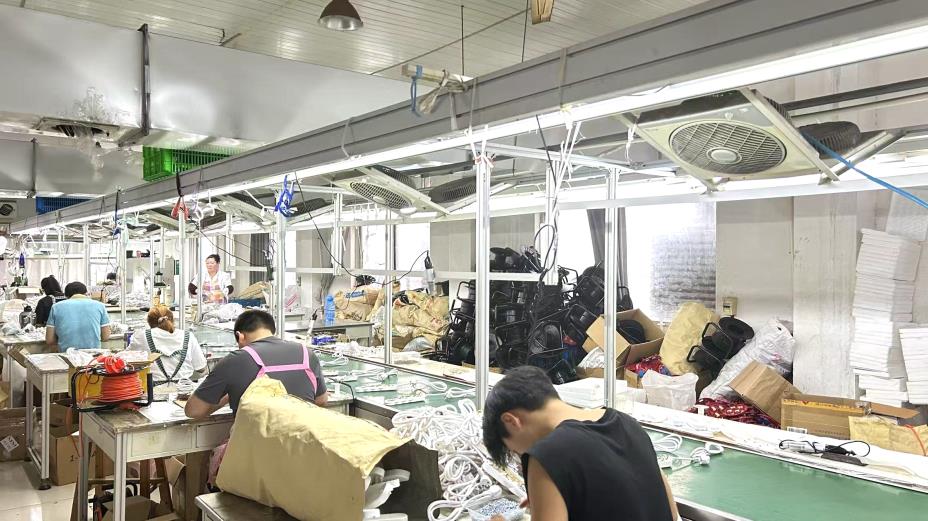
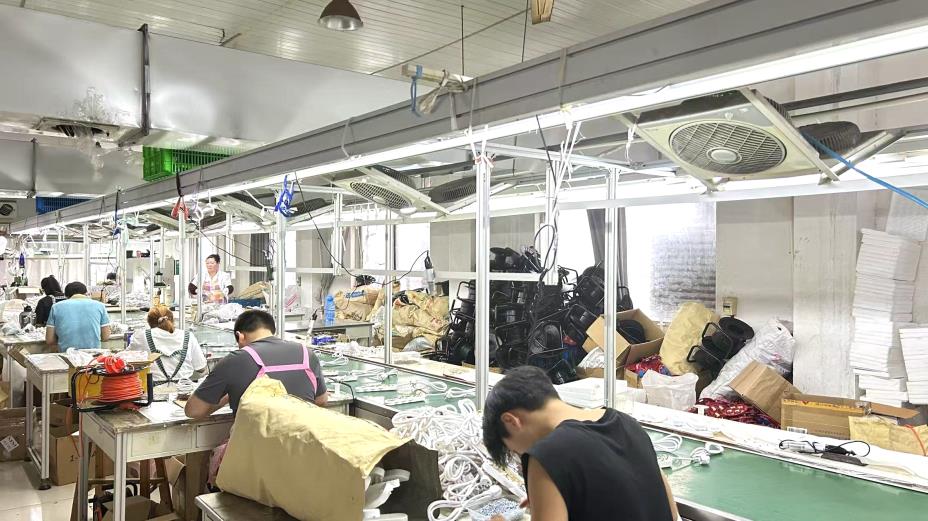
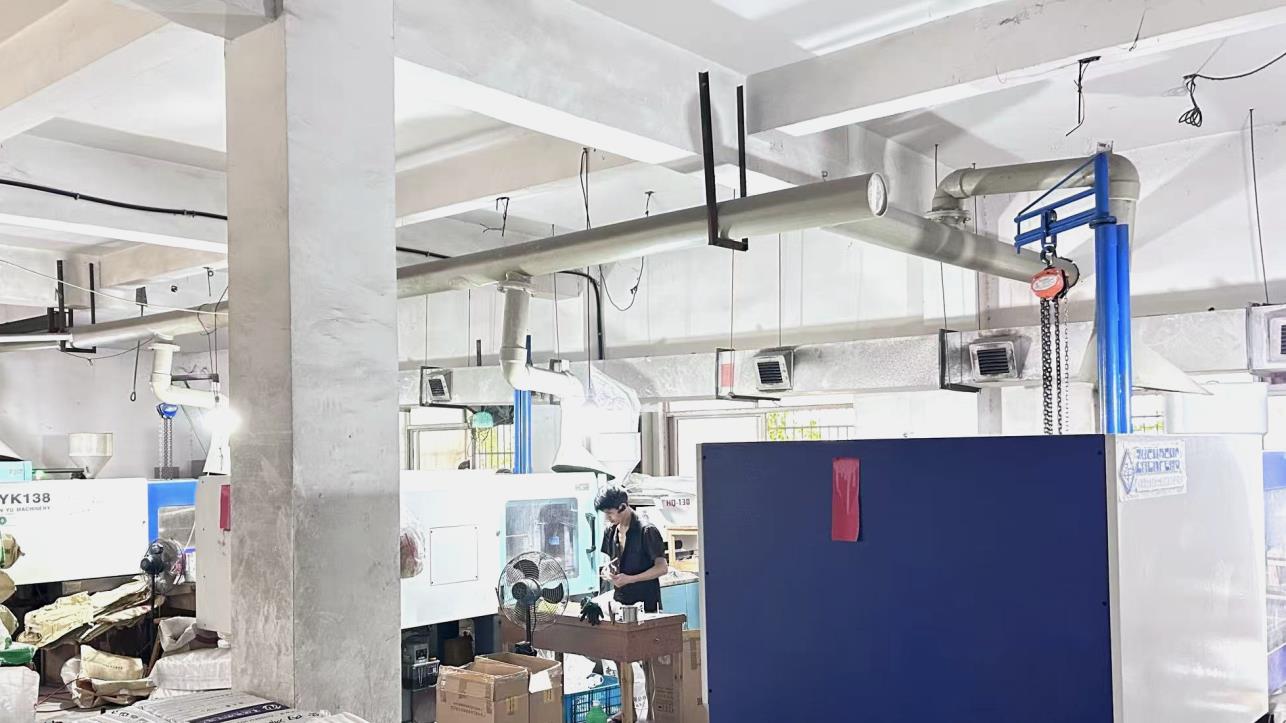
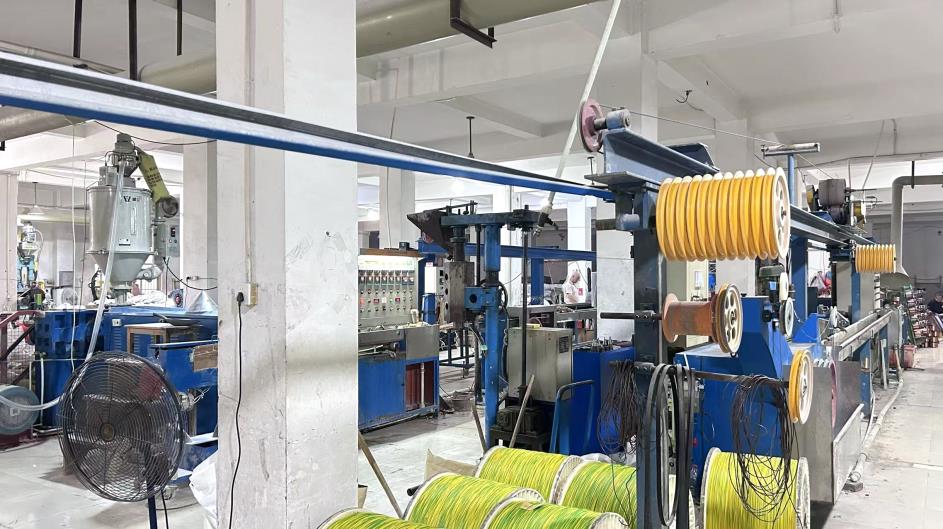
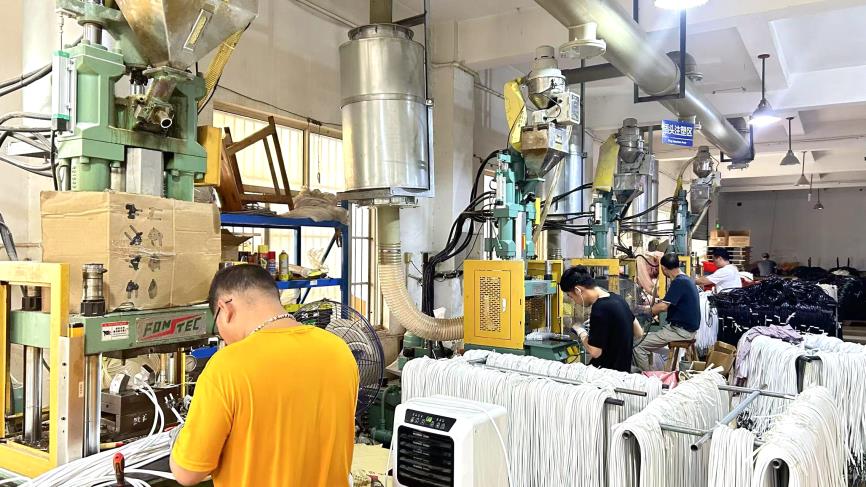
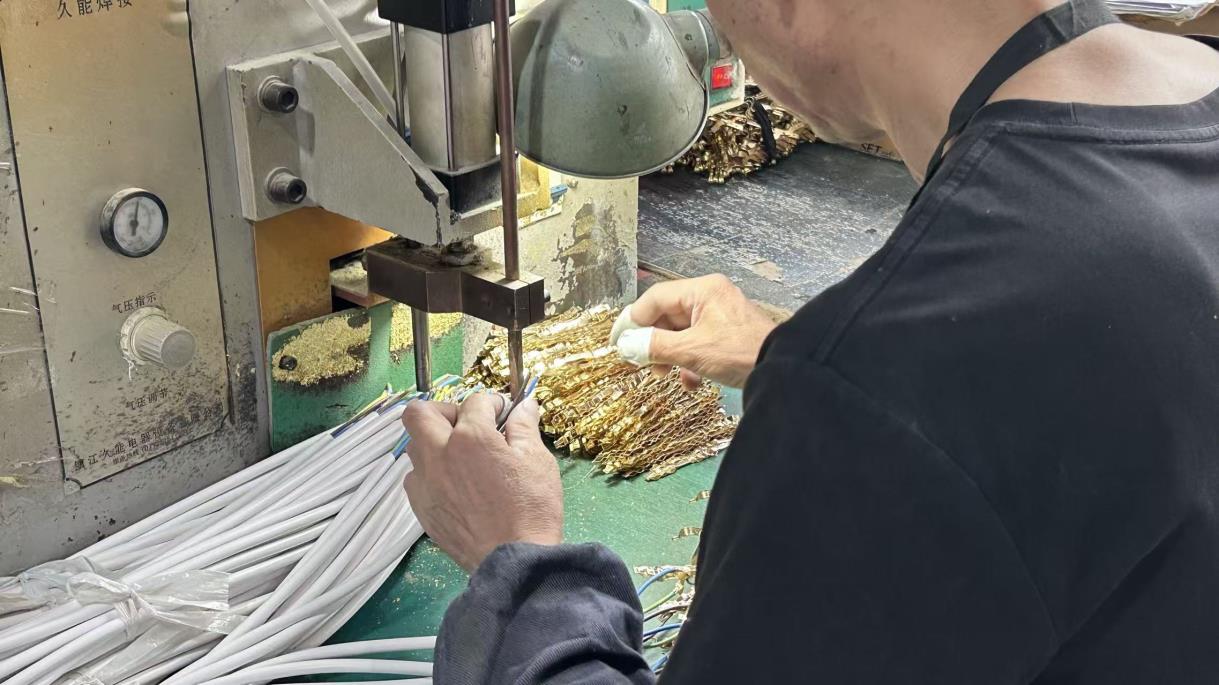
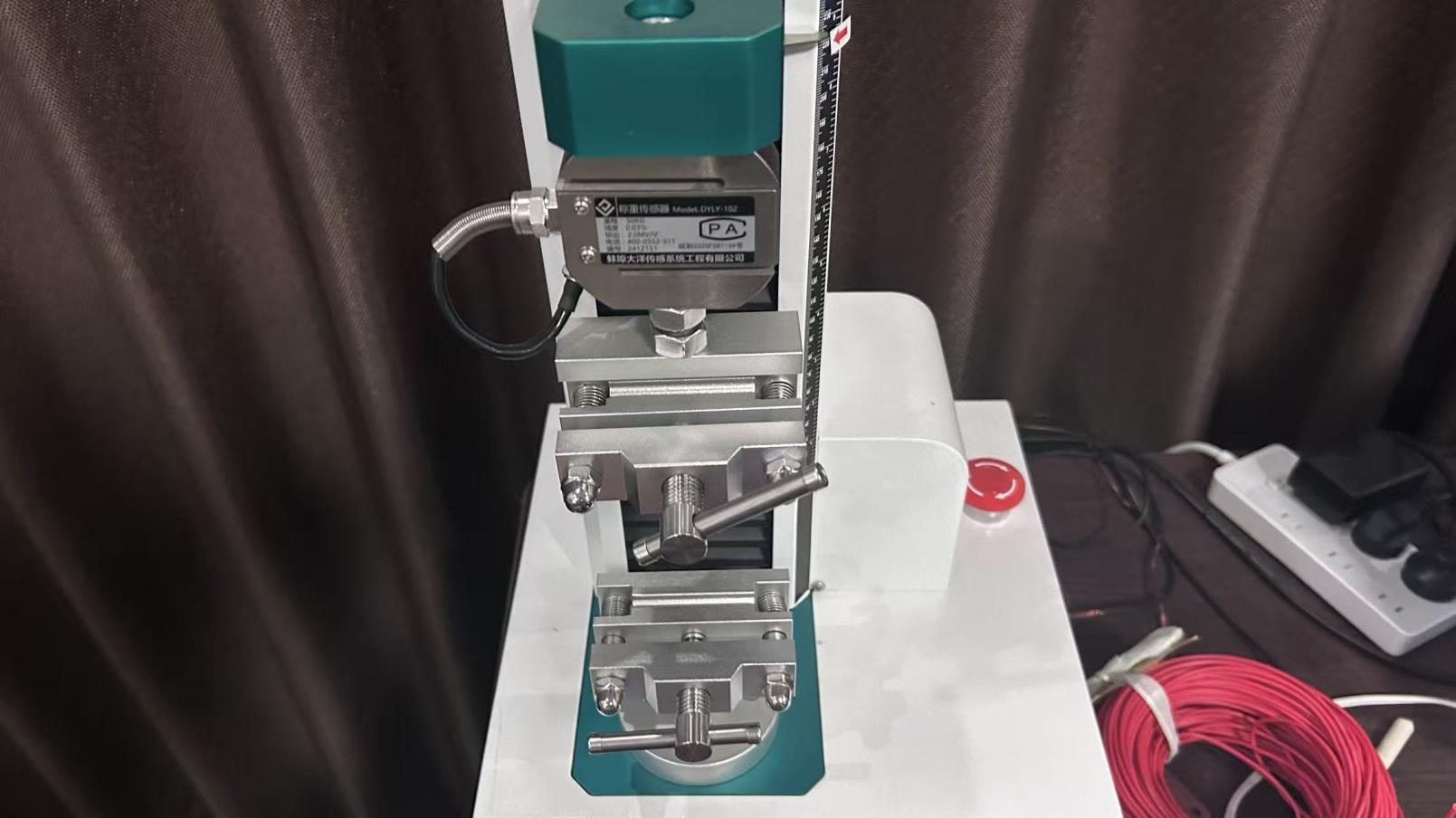
At our specialized manufacturing facility in Jiande, Hangzhou, our engineering team designs and manufactures UK switched extension sockets utilizing high-grade, continuous punched tin-phosphor bronze strips (QSn6.5-0.1 / C5191). Phosphor bronze delivers exceptional spring elasticity, superior fatigue endurance (maintaining stable contact retention after >15,000 mating cycles), and far higher electrical conductivity than recycled brass alloys. Coupled with our in-house automated progressive stamping dies, our terminals grip plug pins with a consistent withdrawal force of 15N to 35N, minimizing electrical arcing across years of heavy-duty operation.
Single-Pole vs. Double-Pole Switching: Why Safety Demands Double-Pole Isolation
In standard domestic wiring, alternating current neutral lines can occasionally carry floating voltages or encounter reverse polarity configurations in older building circuits. In a single-pole switched extension board, toggling the switch off breaks only the live phase. If reverse polarity exists, the appliance connected inside the socket remains charged at 230V relative to earth, posing severe electric shock hazards during maintenance or cord replacement.
Recognizing this safety imperative, Jiande Lyqen Technology Co., Ltd. engineers our flagship switched UK extension sockets with double-pole (DP) rocker switches with silver-alloy (AgCdO / AgNi) contacts. Double-pole switching simultaneously disconnects both the Live (Line) and Neutral poles upon toggle, providing complete galvanic isolation for high-value home office electronics, computer workstations, and industrial appliances.