Precision-Engineered Extension Sockets & Cable Systems
Explore our flagship OEM/ODM manufactured power distribution units, commercial reels, and modular track sockets. Fully verified for dielectric strength, heat dissipation, and regional plug standard compliance.
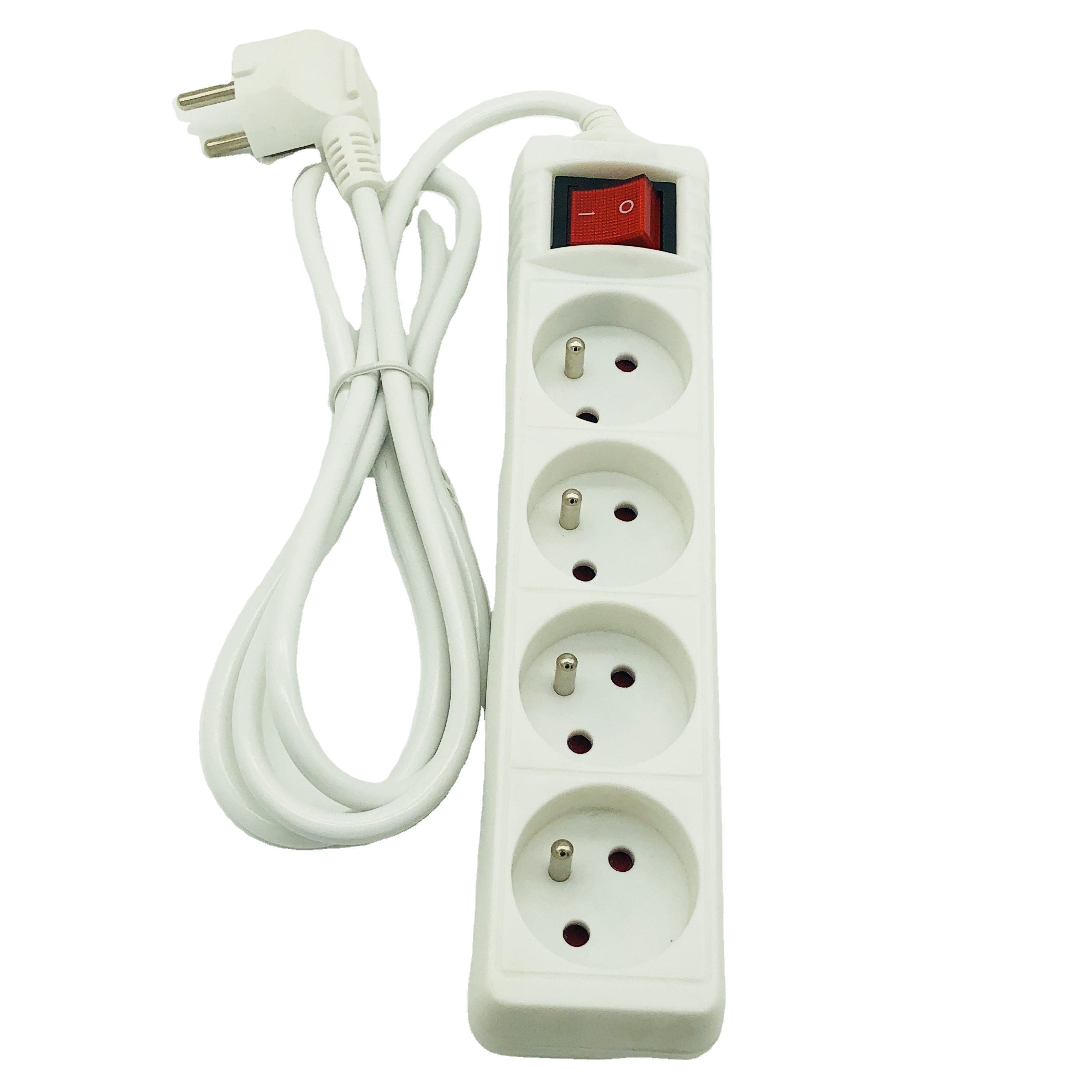
Quality 4 Ways French Type 16A/250V Power Strip Extension Socket with Switch with Child Protector
- High-conductivity pure phosphor bronze contact plates
- Bi-polar illuminated rocker switch with arc suppression
- Integrated spring-loaded child protection shutter system
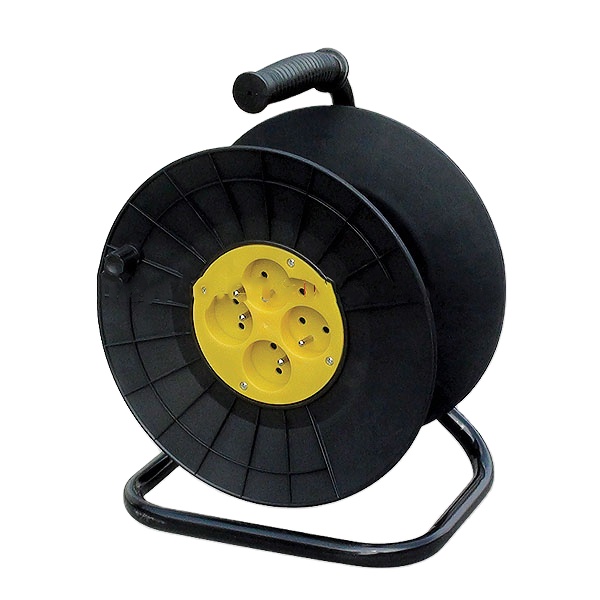
Retractable Power Cable Reel 40m Length, German Plug Type, Suitable for Indoor/Outdoor Applications
- 40-meter H05VV-F / H07RN-F heavy gauge copper conductor
- Integrated bi-metallic thermal overload protection circuit
- Reinforced ergonomic composite drum with cable guide
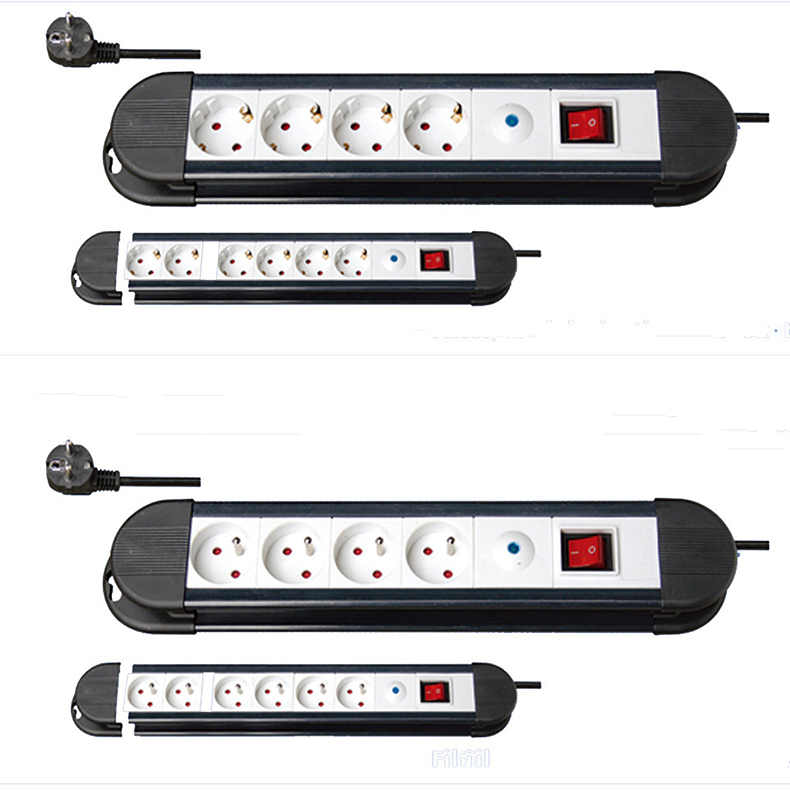
Cost-effective Practical Multi Function Durable Modern Multi Plug Waterproof Socket
- IP44 self-closing hinged spring covers against splashing
- High-impact polycarbonate enclosure for harsh worksites
- Oil-resistant elastomer sealing gaskets for long outdoor life
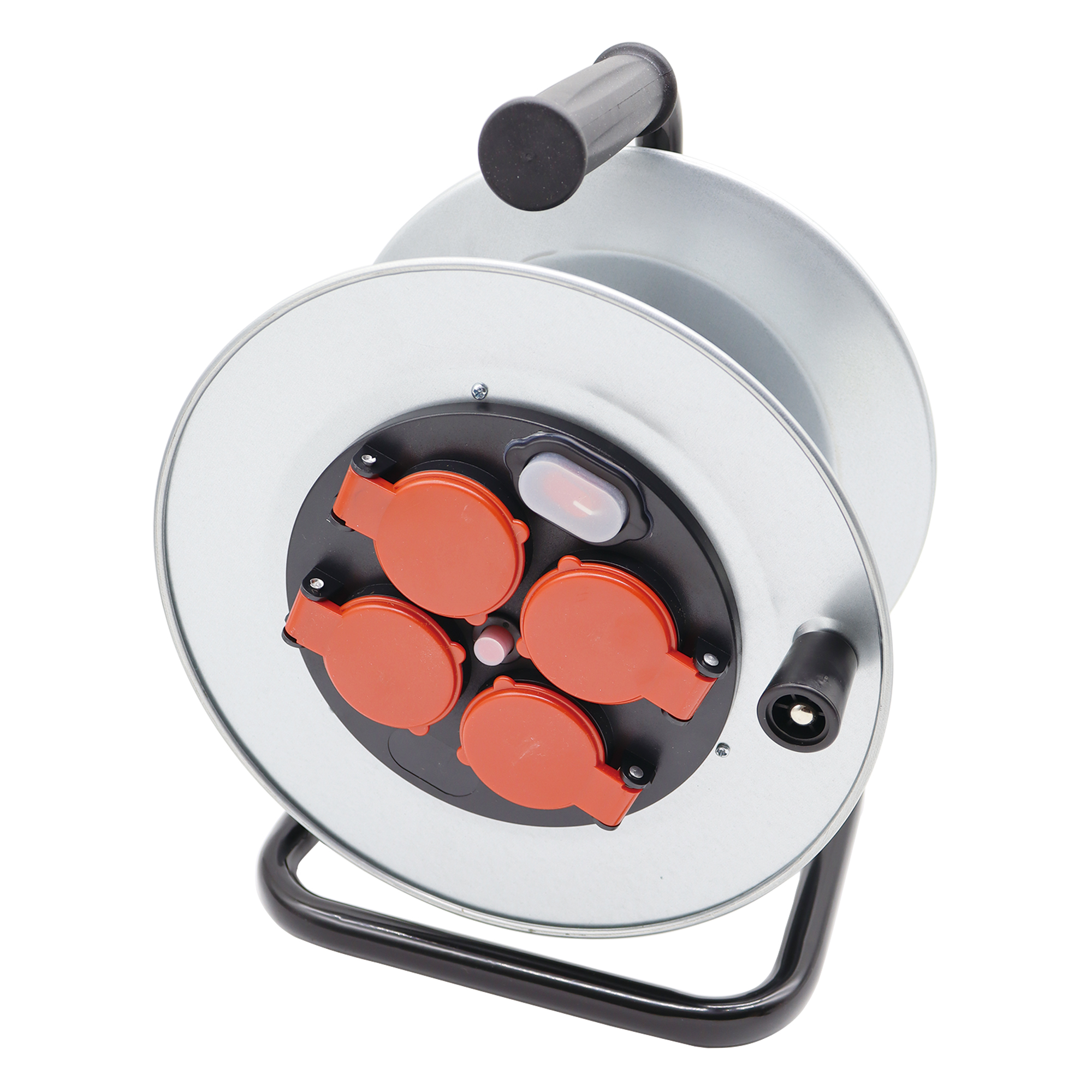
High Quality Cable Reel Extension Cord 4 Sockets With Earthing Extension Cord Reel
- 4 individual grounded socket outlets with safety shutters
- Robust zinc-plated tubular steel frame with insulated handle
- Smooth dual-bearing rotation mechanism for fast winding
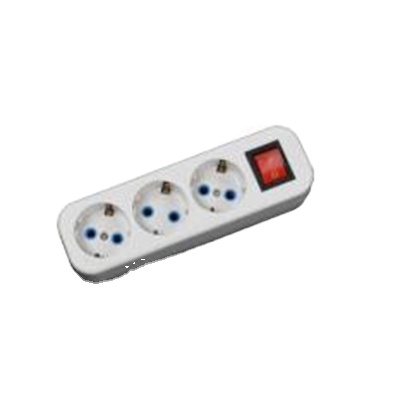
3 to 6 Ways Outlet Power Strip Israel Multi Plug Electrical Extension Switch Socket
- Configurable 3, 4, 5, or 6 socket modules with master switch
- Flame-retardant VO grade ABS/PC polymer outer housing
- Sturdy unibody copper busbar internal construction
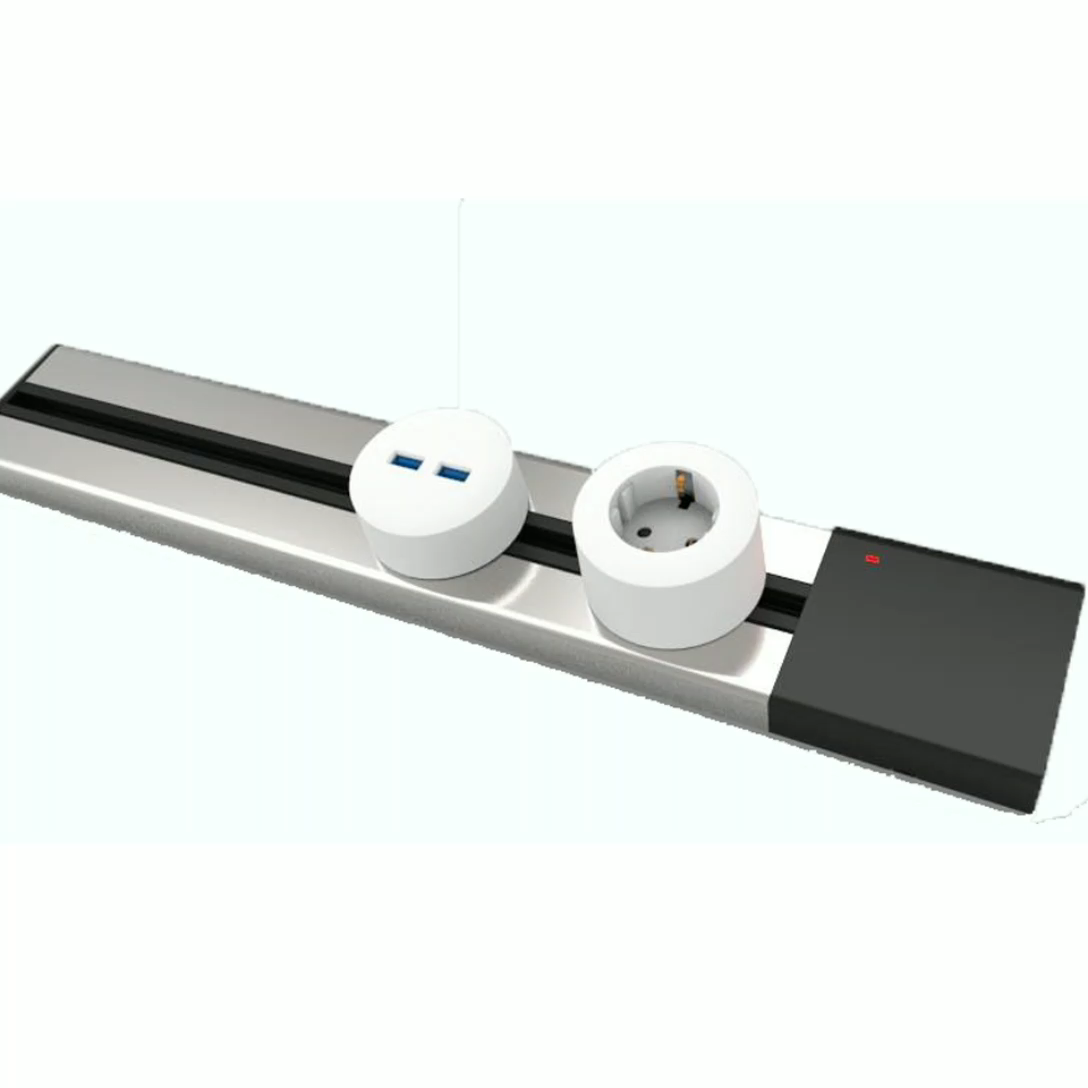
OEM Universal Multi Smart Office Desk Power Rail Track System Electric Socket Outlet / Multi Track Electrical Power Socket
- Modular repositionable socket adapters with rotary locking
- Extruded anodized aviation-grade aluminum rail profile
- Accommodates universal power, USB-C PD, and data ports
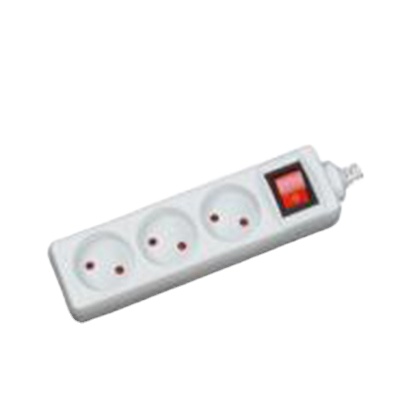
Cost-effective Hot Sale Cheap China Made European Style 3 Way Electrical Extension Socket Power Strip
- Compact footprint optimized for e-commerce and retail display
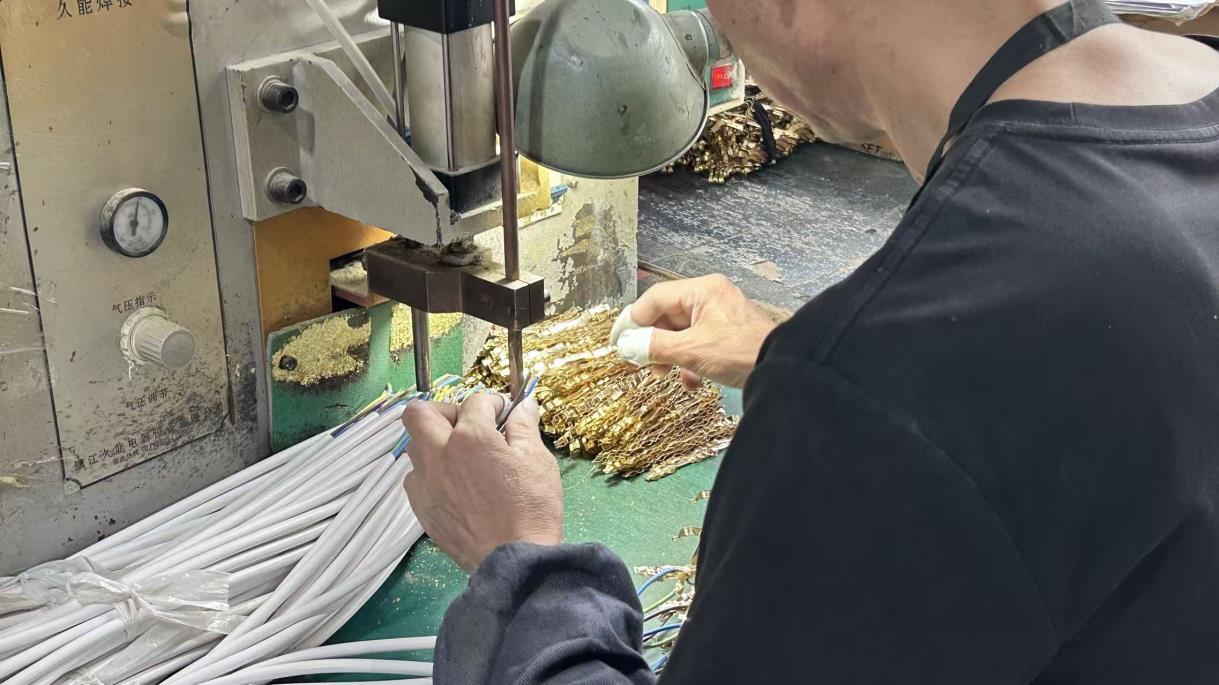
- Optimized automated spot-welded internal terminal links
- High-volume production yield with strict CE LVD qualification
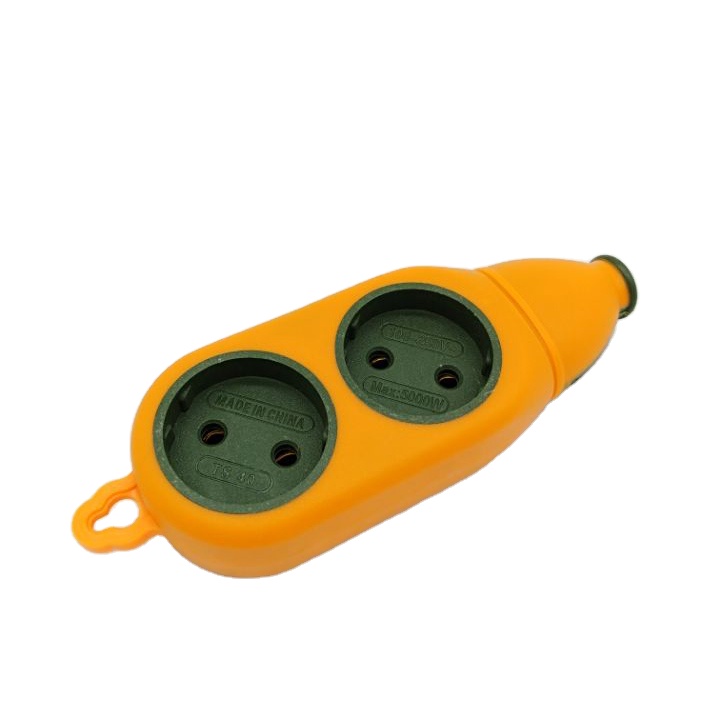
Explosion-proof Breakingproof Schuko 2 Outlets Electric European USB Power Strip Extension Socket
- Impact-resistant, shatter-proof thick-wall casing formulation
- Dual Schuko sockets paired with high-efficiency USB charging
- Surge suppression (MOV) array shielding connected electronics
Vertically Integrated Manufacturing: From Polymer to Pallet
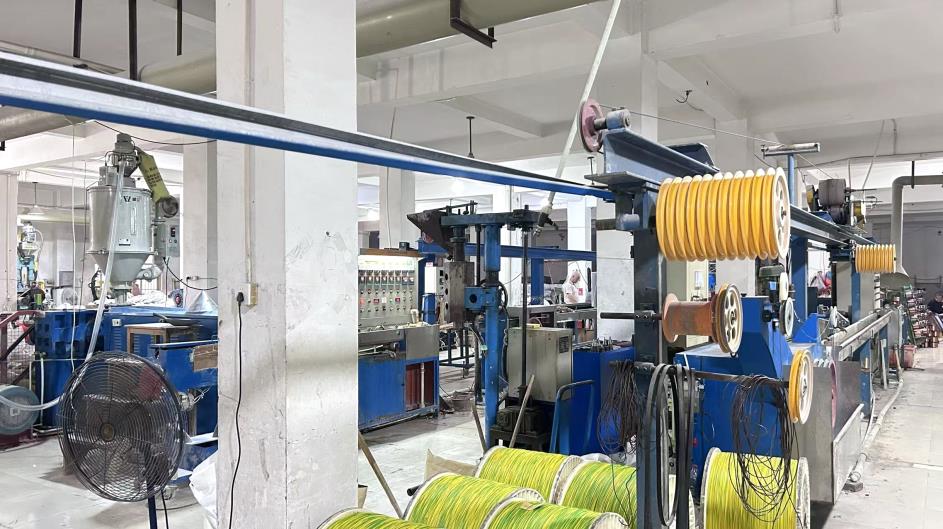
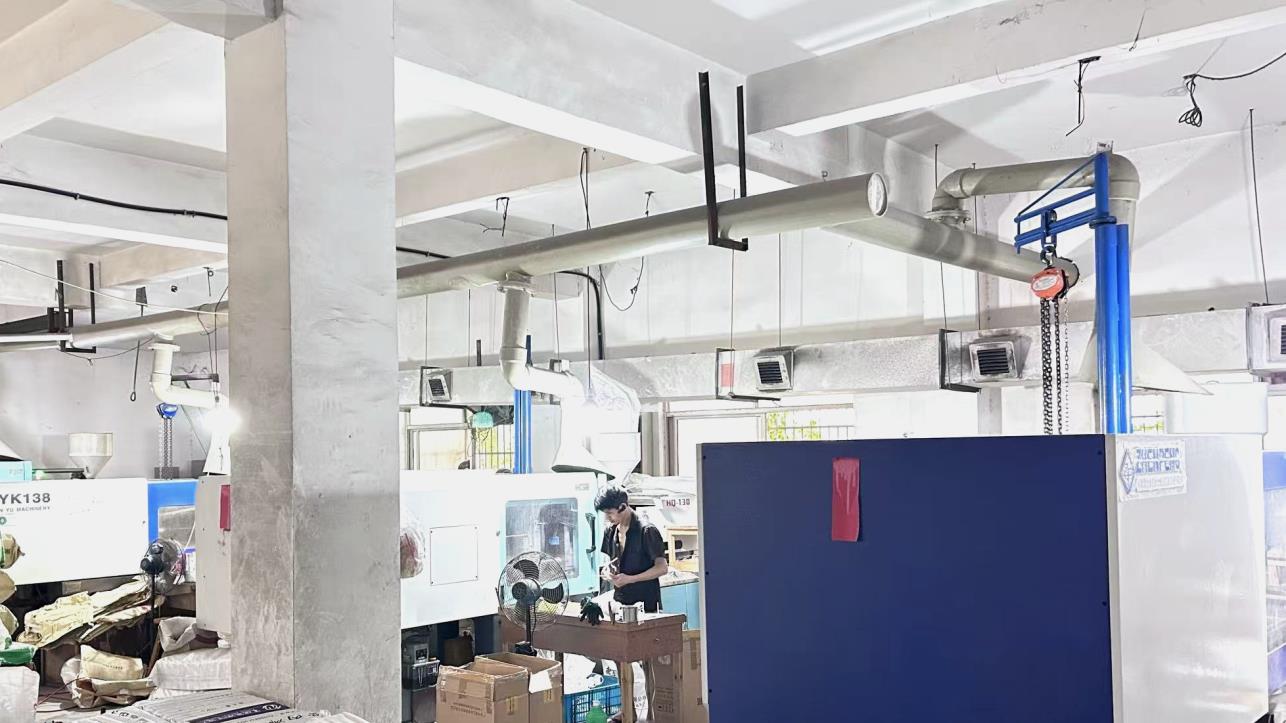
Jiande Lyqen Technology Co., Ltd. operates an advanced 5,000–10,000 m² production compound in Meicheng Industrial Zone, Jiande, Hangzhou. Assessed onsite by TÜV Rheinland, we mitigate global supply chain risk by controlling every critical electrical manufacturing step under one roof.
Vertical Manufacturing
Unlike assembly-only workshops, we extrude our own electrolytic copper wire, formulate flame-retardant PVC/PP polymers, and operate in-house tooling injection machines. This ensures rigid dimensional stability and zero alloy contamination.
Triple Testing Protocols
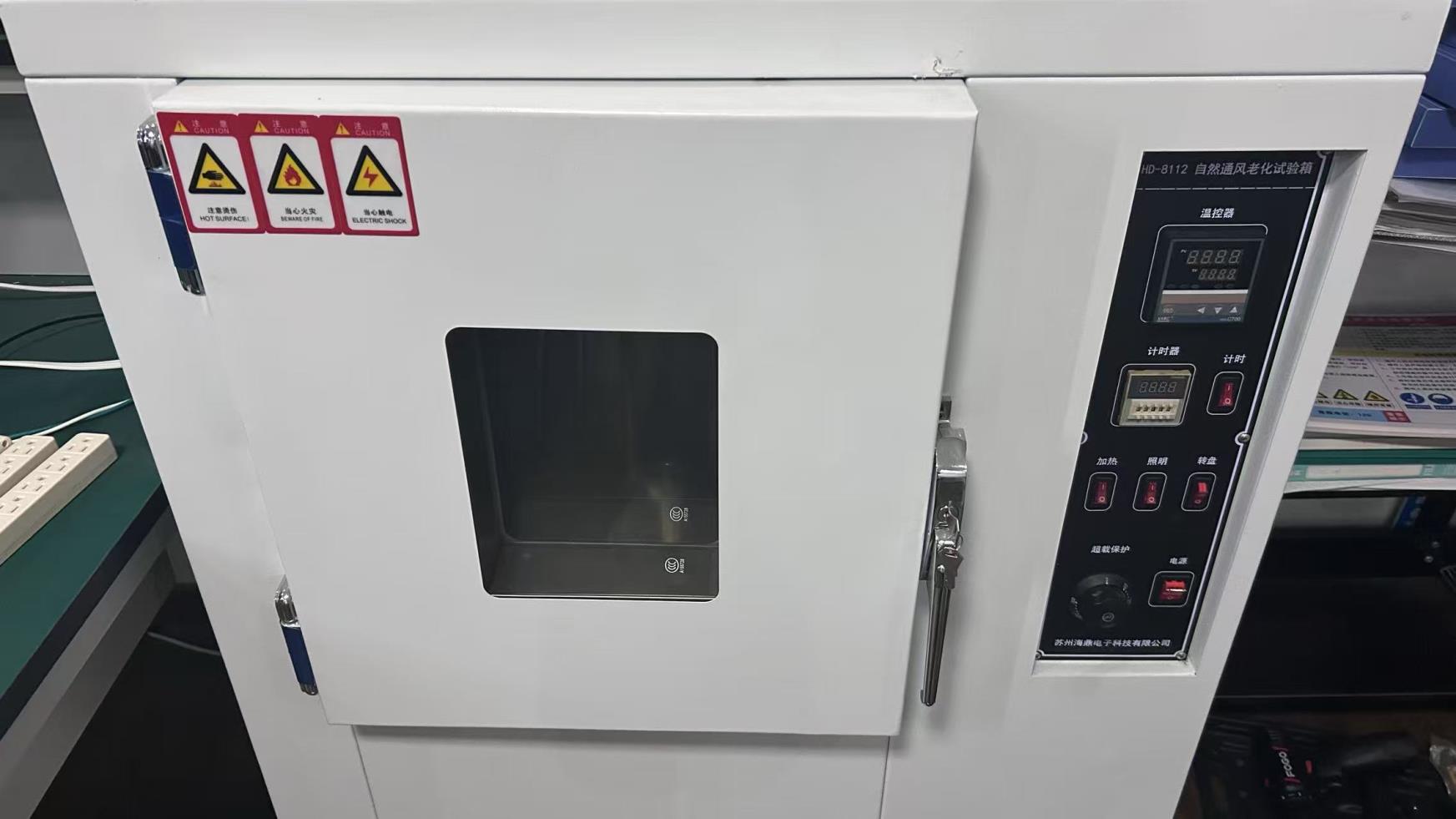
Every production batch undergoes dielectric voltage breakdown tests (Hi-Pot 3750V), cord strain-relief torque cycling, terminal temperature rise measurements under full 16A inductive load, and glow-wire flammability checks (850°C).
Direct Global Compliance
We hold authentic CE, GS, ETL, and ISO 9001 certifications. Our engineering department matches destination directives including EU RoHS 2.0, REACH SVHC, WEEE, NF C 61-314, and DIN VDE 0620-1 for uninterrupted customs clearance.
Low-Barrier Private Labeling
We support specialized brand distributors with flexible MOQs starting from 100 units on cable reels and 300 units on waterproof leads, complemented by customized blister packing, master cartons, and bespoke laser etched company logos.
In-House Manufacturing & Testing Facility Walkthrough
Frequently Asked Technical & Commercial Questions
Essential commercial terms, manufacturing lead times, customization thresholds, and compliance frameworks for global procurement directors and technical buyers.
What are your minimum order quantity (MOQ) policies for custom OEM extension leads and reels? +
• Heavy Duty & Retractable Cable Reels: 100 to 200 units (allowing mixed lengths and standard drum colors).
• French, German Schuko, and Italy Type Strips: 200 to 300 units for standard housings; 500 units for custom cable length or pantone color matching.
• IP44 Waterproof & Industrial Multi-Plug Sockets: 300 units.
• Smart Track Systems & GaN USB Fast-Charging Sockets: 500 units (due to dedicated PCBA component batch runs).
What international compliance certificates and test documentation do you deliver? +
• European Union: CE (Low Voltage Directive 2014/35/EU, EMC Directive 2014/30/EU), GS (Geprüfte Sicherheit by TÜV Rheinland / Intertek), RoHS 2.0 (2011/65/EU and 2015/863), REACH compliance reports.
• North America: ETL listed to UL 1363 and CSA C22.2 standards.
• Factory Audits: ISO 9001:2015 Certified Quality Management System, accompanied by verified third-party onsite assessment reports from TÜV Rheinland.
Can you customize conductor cross-sections, cable lengths, and plug terminations for specific markets? +
How do you manage thermal safety and power derating for extension reels? +
What is the standard production lead time and quotation structure? +
Do you support private-label branding, customized packaging, and Amazon/retail barcodes? +
Direct-From-Factory OEM/ODM Extension Lead Manufacturing
Connect directly with our senior electrical engineering and export division. Receive competitive tier-one pricing, detailed compliance dossiers, and tailored 3D CAD socket housing prototypes for your brand.
Send an Inquiry