Export-Certified Indoor Extension Sockets & Cable Assemblies
Manufactured under ISO 9001 quality systems and tested by TÜV Rheinland for commercial, residential, and IT power deployment.
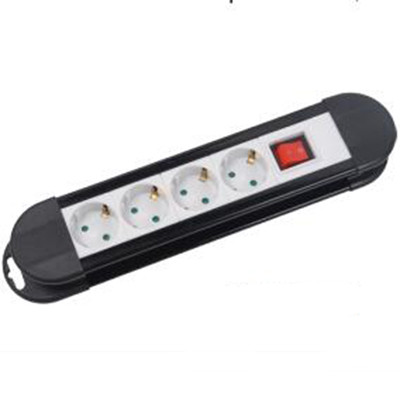
With Switch European 4 Way German-Type Outlet 16A 250V Power Socket
- 16A / 250V~ Schuko Standard
- Integrated Bipolar Illuminated Switch
- Childproof Safety Shutters Included
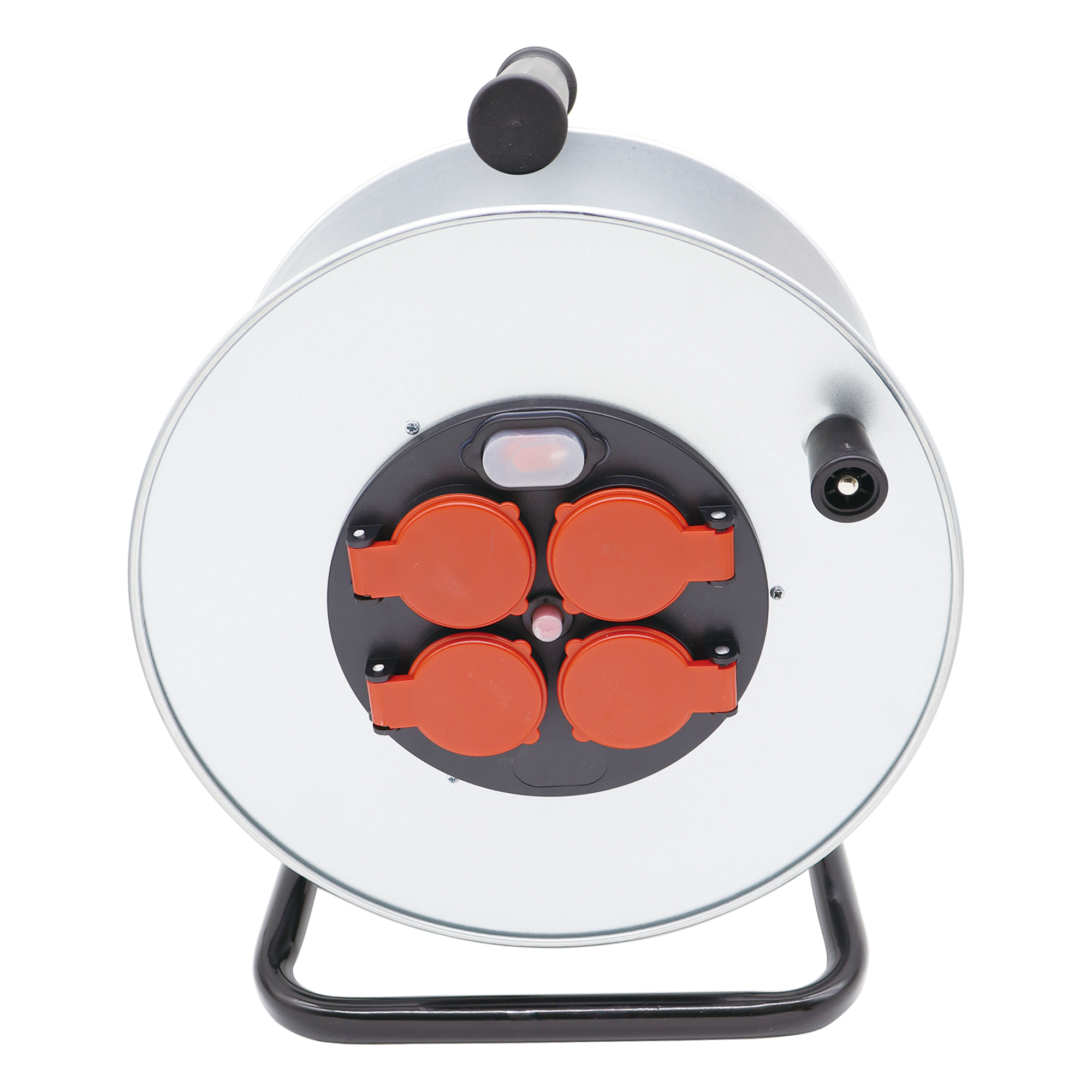
Retractable Mobile Socket Cable Reel for Flexible Electrical Extension
- Ergonomic Retraction Mechanism
- Tangle-Free Coil Protection System
- Impact-Resistant Polycarbonate Shell
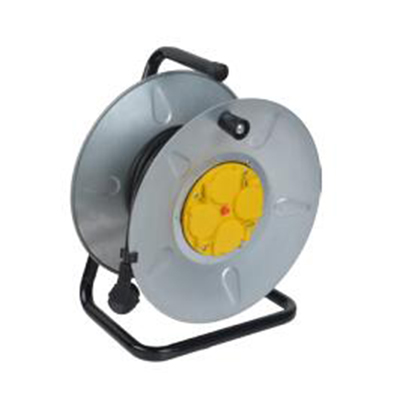
40m Sizes Electric Retractable Cable Reel Germany Type Extension Cord
- Extended 40-Meter Range Rating
- Bimetal Thermal Overheat Cutout
- Sturdy Tubular Steel Ground Stand
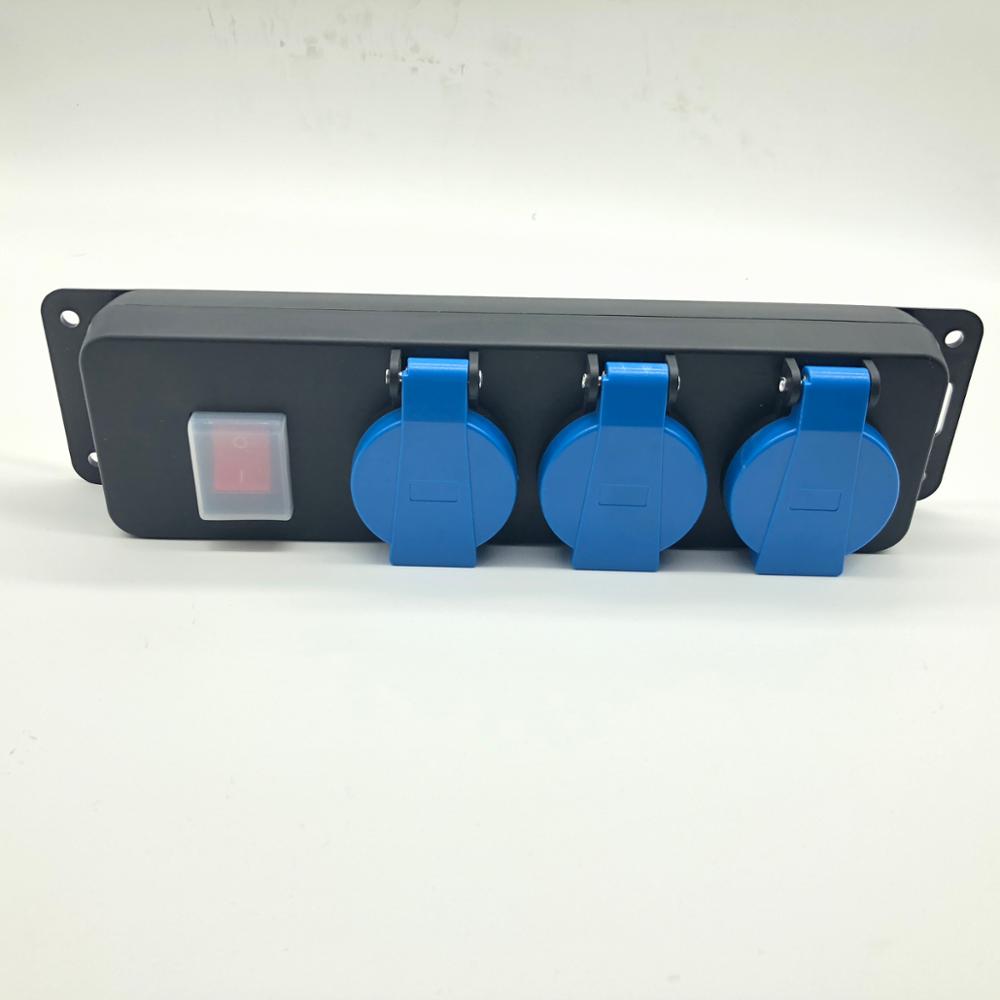
3 Ways IP44 Waterproof Power Strip Extension Socket CE/RoHS Listed
- Spring-Loaded Splashproof Caps
- Heavy Rubber Neoprene H07RN-F Cable
- Commercial Workshop & Garage Ready
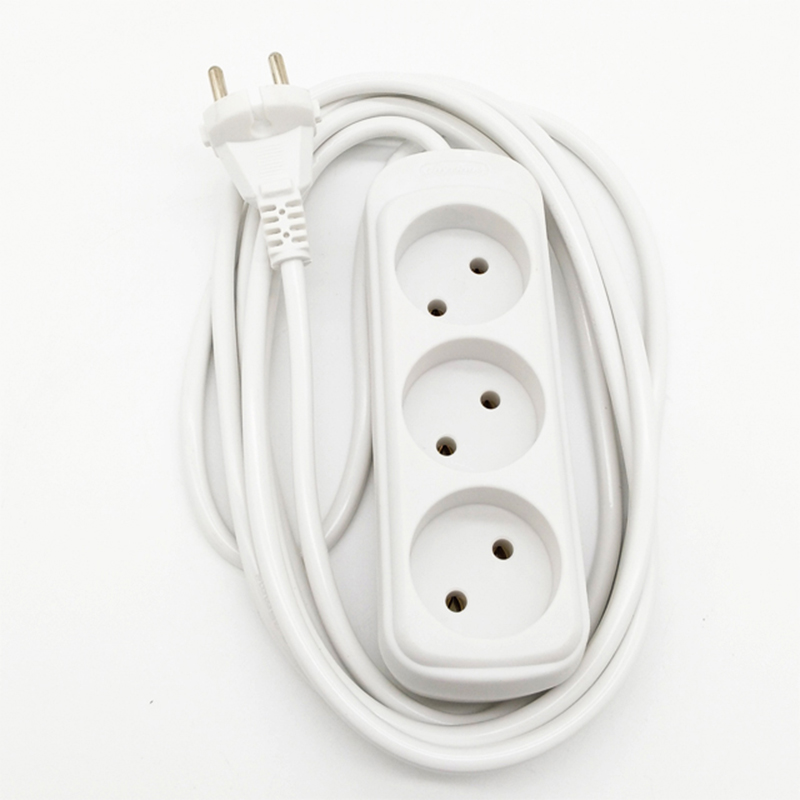
3 Outlets 16A/250V Residential / Commercial Vintage Socket Outlet
- Premium Bakelite/Architectural Finish
- Custom Private Label OEM Packaging
- UL94 V-0 Self-Extinguishing Base
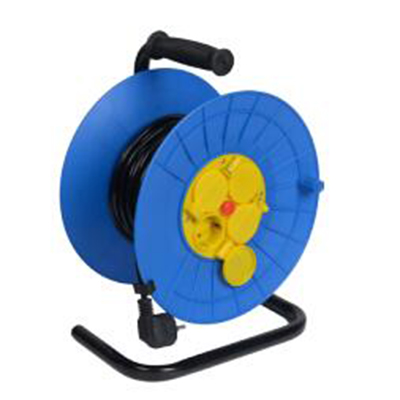
4 Ways European Retractable Cable Reel with Protective Socket Flaps
- Central Braking Winding Handle
- Individual Port Weatherproof Covers
- Complies with VDE & GS Testing
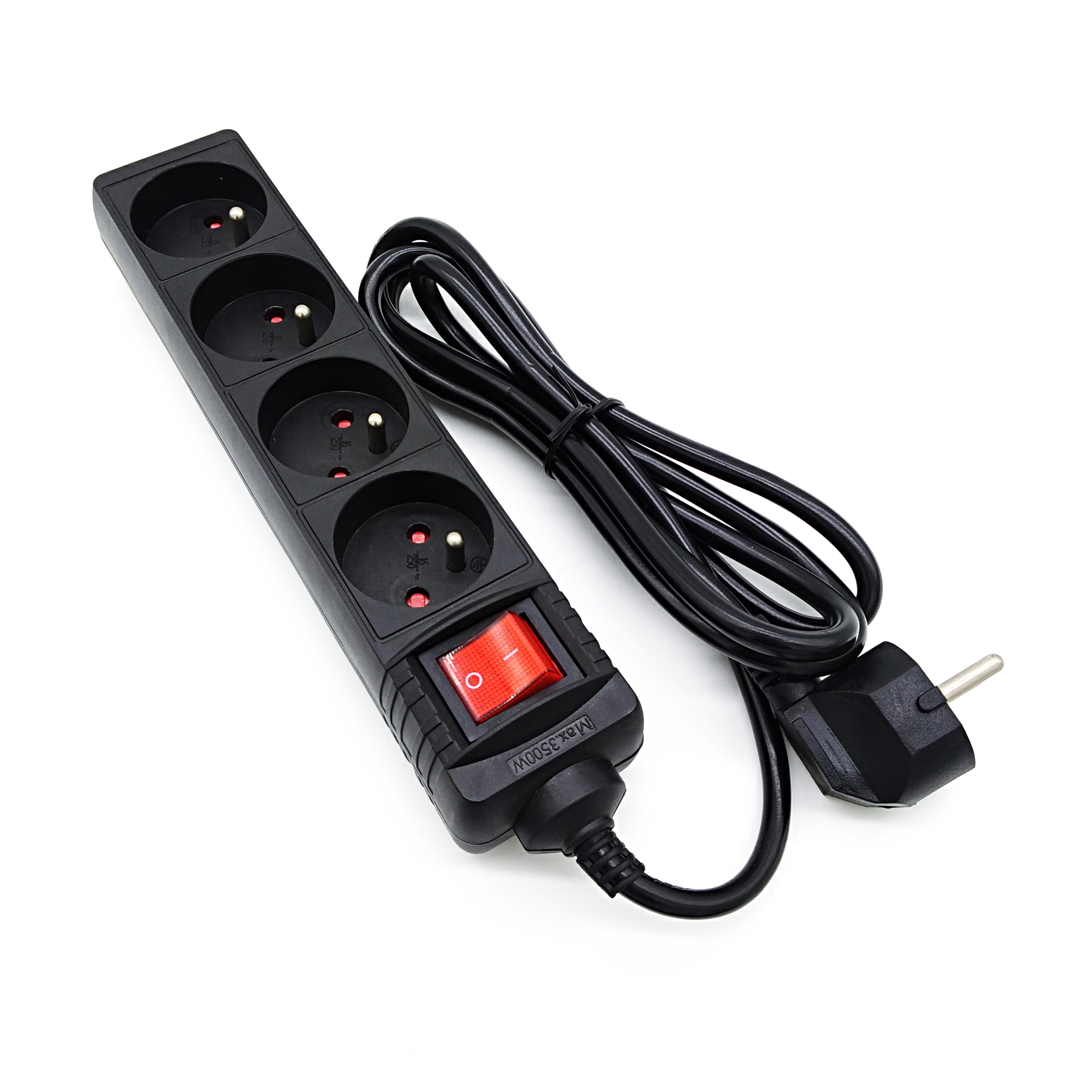
10A/250V 4-Jack Universal Socket with Overload Protection System
- Universal Multi-National Geometry
- Push-to-Reset Circuit Breaker
- Phosphor Bronze High-Conductivity Clips
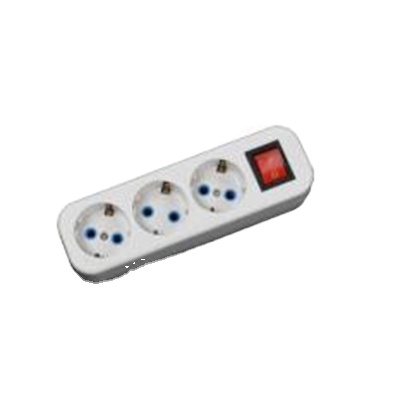
3 to 6 Ways Outlet Power Strip Multi-Plug Electrical Extension Socket
- Modular Configuration (3, 4, 5, 6 Ports)
- Individual Sub-Switch Control Channels
- Precision Flame-Retardant ABS Base
Benchmarking the Top 10 Indoor Extension Cord Manufacturers
Moving beyond trading companies: Engineering qualification, safety compliance, and direct factory vetting criteria for global importers.
In the consumer and commercial electrical supply segment, locating a genuine, high-caliber indoor extension cord manufacturer and factory requires strict due diligence that surpasses conventional B2B marketplace reviews. Electrical extension devices act as the direct conduit between the municipal electrical mains grid and sensitive downstream electronics. Consequently, any micro-compromise in copper conductor purity, flame retardancy ratings, contact spring pressure, or mechanical strain relief can result in catastrophically high return rates, customs seizure, or thermal hazards.
When engineering procurement teams audit the competitive landscape to pinpoint the Top 10 indoor extension cord factories in China and Southeast Asia, they evaluate specific production capabilities: full vertical integration of PVC/TPE jacket extrusion, internal copper wire drawing and bunching, automated terminal crimping, and automated contact resistance testing under sustained load. The top-tier factories do not assemble pre-sourced parts off the street; they control compounding, molding, and certification management end-to-end.
1. Metallurgical & Pure Copper Integrity
Premier manufacturers employ 99.99% Oxygen-Free High-Conductivity (OFHC) electrolytic copper. Lower-tier suppliers frequently blend Copper-Clad Aluminum (CCA) or inferior re-melted brass, introducing resistive heating hazards and voltage drop over length.
2. Dielectric & Polymeric Flame Retardance
Top factories utilize virgin PC/ABS resins achieving strict UL94 V-0 or glow-wire test compliance (IEC 60695-2-11 at 750°C to 850°C). Inferior factories blend re-granulated post-industrial scraps that lack self-extinguishing capabilities under severe arcing.
3. Independent Certification Depth
Tier-1 factories maintain authentic, unexpired, and verifiable testing certificates from recognized NRTLs and European notified bodies—including CE (LVD/EMC), GS (Geprüfte Sicherheit), ETL, VDE, and NF—regularly audited by TÜV Rheinland or Intertek.
Comparative Engineering Matrix: Tier-1 Manufacturer vs. Small Assembly Workshop
| Evaluation Parameter | Tier-1 Factory (Top 10 Benchmark) | Standard Low-Cost Assembly Shop | Commercial Impact on Importer |
|---|---|---|---|
| Conductor Core | 100% Bare Electrolytic Copper (IEC 60228 Class 5) | CCA (Copper-Clad Aluminum) or Recycled Scrap Copper | Low Thermal Rise / Legal Compliance |
| Terminal Joining Tech | Automated Spot Welding / Precision Resistance Soldering | Manual Soldering or Loosely Crimped Tabs | Zero Contact Hotspots over 10,000 Cycles |
| Contact Spring Material | High-Elasticity Phosphor Bronze (QSn6.5-0.1) | Standard Common Brass (H62/H59) | Maintains Retention Force > 15N over Time |
| Overload Interruption | Integrated Bi-Metallic Auto/Manual Reset Breakers | No thermal protection or uncertified fuses | Protection Against Overheating & Fire Claims |
| Quality Audits | ISO 9001 + TÜV Rheinland Verified On-Site Operations | No 3rd-party factory audit or QMS trail | Fast Customs Clearance & Retail Acceptance |
Future Procurement Trends in Indoor Extension Cords (2025–2030)
Strategic directions for electrical distributors, hardware retail buyers, and project contractors.
1. Gallium Nitride (GaN) & PD 3.1 Integration
The market is rapidly discarding legacy 5V 1A/2.4A USB ports. Enterprise procurement is tilting heavily toward integrated Gallium Nitride (GaN) fast-charging modules providing 45W, 65W, and 100W Power Delivery directly into indoor power boards. This allows modern commercial laptops, smartphones, and peripherals to charge simultaneously without bulky external wall adapters, slashing desk clutter and conforming to the European Union universal USB-C mandate.
2. IoT Smart Power Monitoring & Matter Protocol
Commercial facilities and residential consumers are demanding actionable telemetry. Next-generation indoor extension units increasingly incorporate micro-current sensors, Bluetooth Low Energy (BLE), Wi-Fi, and Zigbee/Matter-compliant microcontrollers. These monitor individual port wattage consumption, send automated alerts during micro-arcing spikes, and enable scheduled automated shutdowns to slash vampire power drain in corporate offices.
3. Circular Economy: PCR Polymers & Halogen-Free Materials
Corporate ESG quotas and tightening European ecodesign requirements are forcing brands to source extension products fabricated with minimum 30% to 50% Post-Consumer Recycled (PCR) polycarbonate and halogen-free thermoplastic elastomer (TPE) cables. Tier-1 manufacturers like Lyqen are pioneering closed-loop tooling systems that maintain critical UL94 V-0 flame ratings while drastically decreasing carbon footprints per manufactured unit.
4. Streamlined Compliance & Supply Chain Transparency
With escalating customs scrutiny surrounding cross-border electrical goods, retail chain buyers no longer accept unverified third-party test reports. Procurement professionals require direct factory-level traceability, encompassing REACH raw-chemical registration, RoHS lead/cadmium lab assays, and annual social compliance audits (BSCI / SEDEX SMETA) executed straight at the OEM facility.
Jiande Lyqen Technology: Engineering Excellence Since 2006
Established in Chengnan Industrial Zone, Jiande, Hangzhou, Jiande Lyqen Technology Co., Ltd. has spent over two decades concentrating strictly on the development, precision tooling, and export of European, French, Schuko, UK, and universal indoor extension cords, power strips, and cable reels.
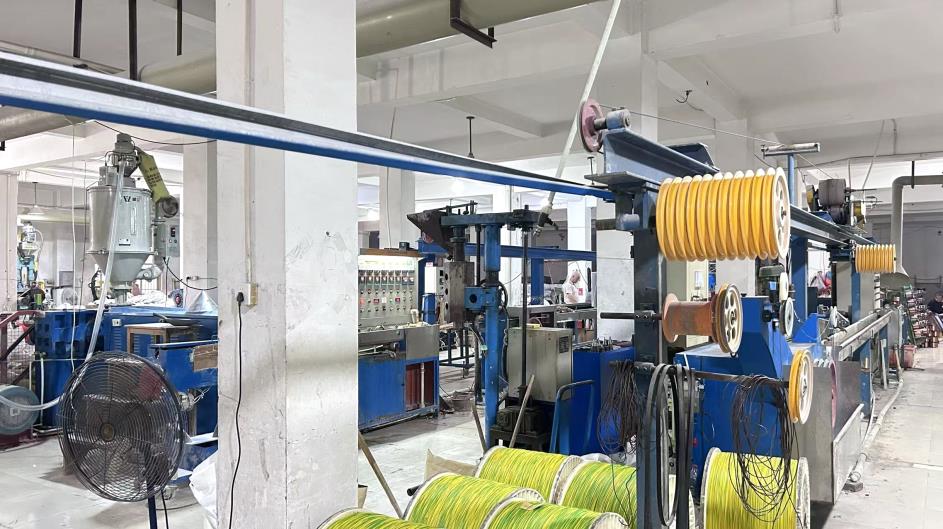
Unlike regional trading middlemen, Lyqen retains complete vertical control across 6 modernized production lines. From raw plastic compounding and high-speed multi-cavity injection molding to internal wire extrusion and automated resistance welding, every stage is executed within our verified 5,000–10,000 square meter plant.
- TÜV Rheinland Verified On-Site: Rigorous facility verification verifying our factory capacity, personnel counts, and export legitimacy.
- Full Regulatory Portfolio: Verified CE, GS (Geprüfte Sicherheit), and ETL certifications paired with an operational ISO 9001 quality system.
- 13+ Years OEM/ODM Customization: In-house R&D engineering team supporting customized cord lengths, tailored industrial sockets, and private brand packaging.
- High Export Ratio (91–100%): Experienced supply agreements across Eastern/Western Europe (Germany, France, Romania, Portugal, Hungary), LATAM, and the Middle East.
Frequently Asked Questions on Cord Sourcing
Clear, direct answers regarding minimum orders, testing protocols, custom tooling, and global shipping terms.
Connect Directly with Our Engineering Sales Office
Request comprehensive product specification datasheets, certified test reports, or schedule a virtual live factory audit of our automated workshops.