Vieux Fort Grid Reality: Dual Voltage, Transient Loads, and Grid Stability
Vieux Fort sits at the crossroads of Saint Lucia’s industrial and commercial future. Anchored by the Hewanorra International Airport (UVF) expansion, the deepwater Vieux Fort Seaport, and dedicated free-zone industrial estates, the region exhibits unique electrical demand characteristics. The domestic utility, Saint Lucia Electricity Services Limited (LUCELEC), generates power primarily through diesel and emerging utility-scale solar arrays (including the 3MW solar farm located immediately adjacent to Hewanorra Airport), delivering a baseline transmission of 230V / 240V at 50Hz single-phase (and 400V 50Hz three-phase) adhering historically to British Standard BS 1363 (Type G).
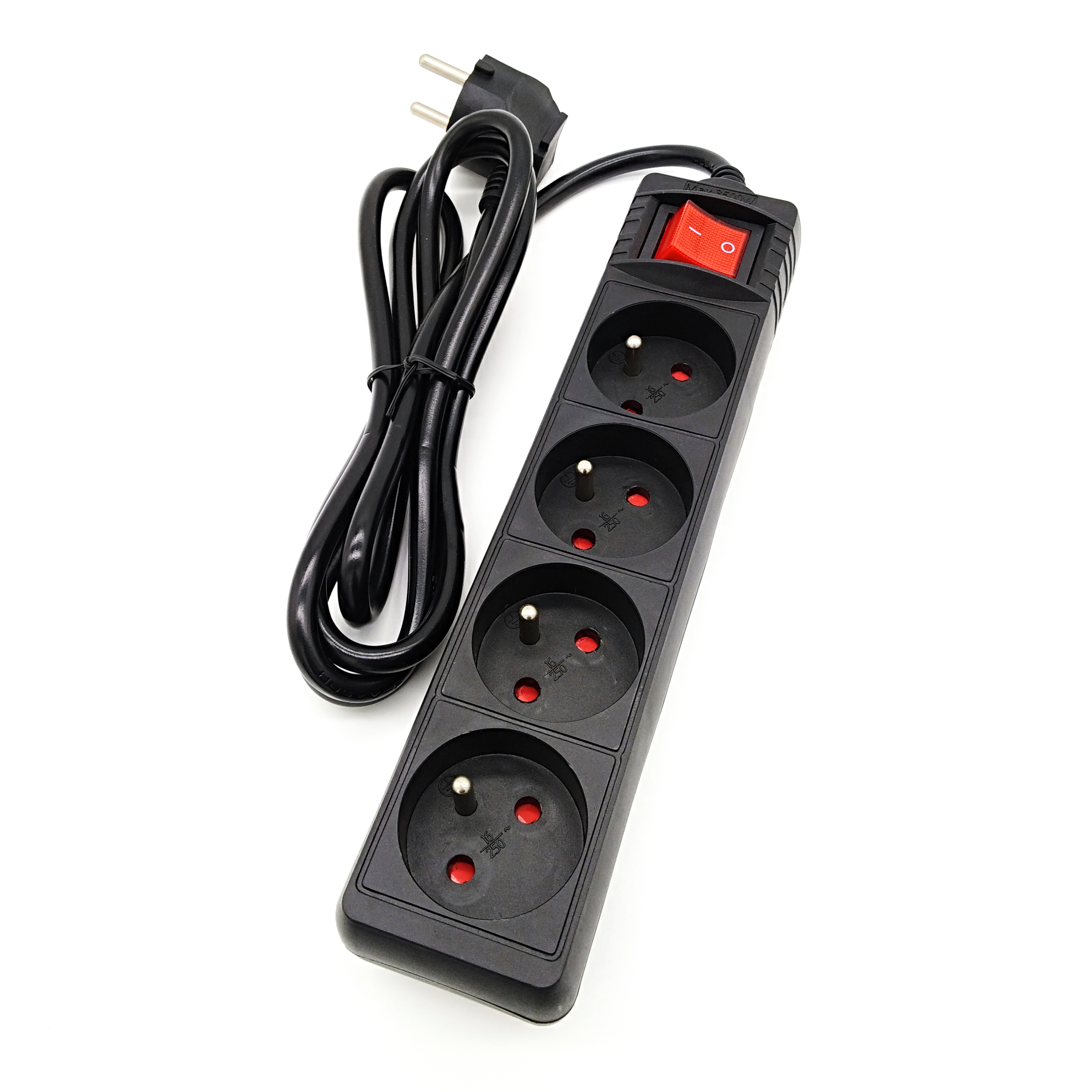
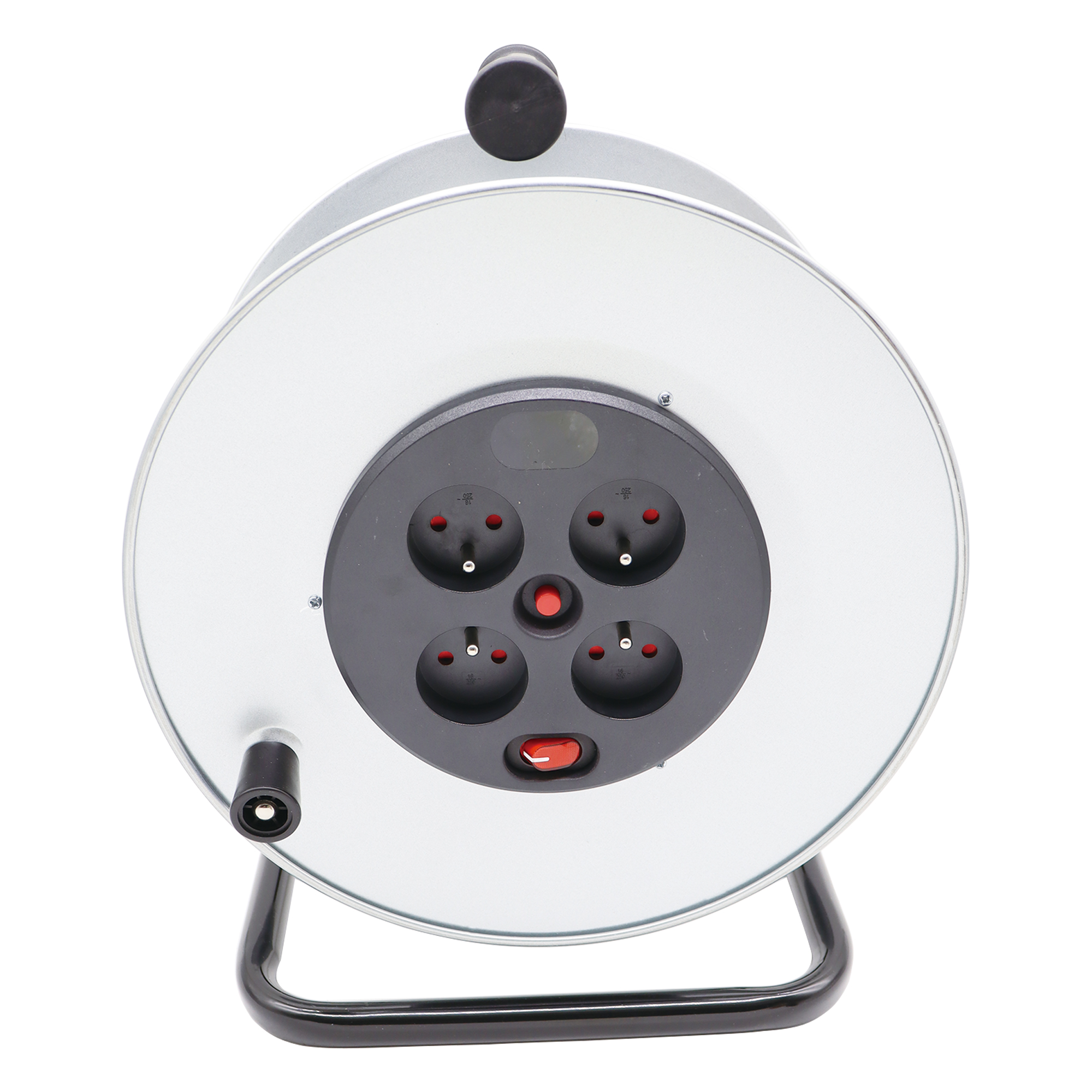
However, modern commercial procurement in Vieux Fort rarely follows a single standard. The southern zone hosts international freight forwarders, aviation hangars, US-backed hotel developments, and manufacturing assembly plants that import equipment manufactured across North America (120V 60Hz, NEMA 5-15) and Western Europe (230V 50Hz, CEE 7/5 Type E and CEE 7/3 Type F). When regional electrical contractors procure extension cords, power strips, and temporary distribution units, they face a dual challenge: ensuring voltage withstand ratings (up to 250V nominal / 300V dielectric withstand) while offering multi-standard pin compliance without introducing dangerous terminal heating.
Technical Consideration: Operating inductive loads (e.g., compressor refrigeration, HVAC units, marine power tools) on 50Hz island distribution lines creates frequent transient overvoltage spikes. Direct-from-factory power strips must integrate premium Metal Oxide Varistors (MOVs) rated for a minimum of 400 Joules to clamp switching surges before they degrade terminal electronics.
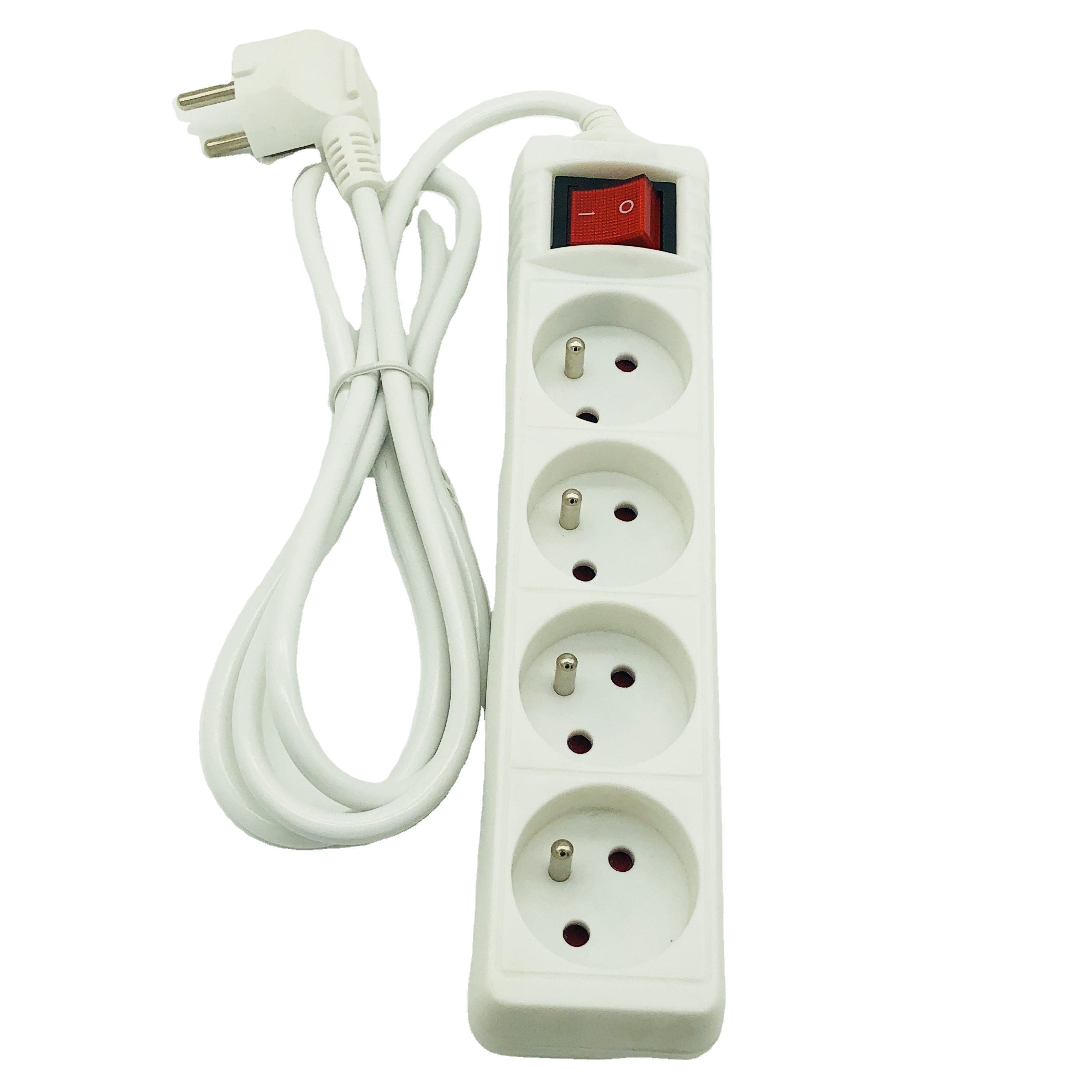
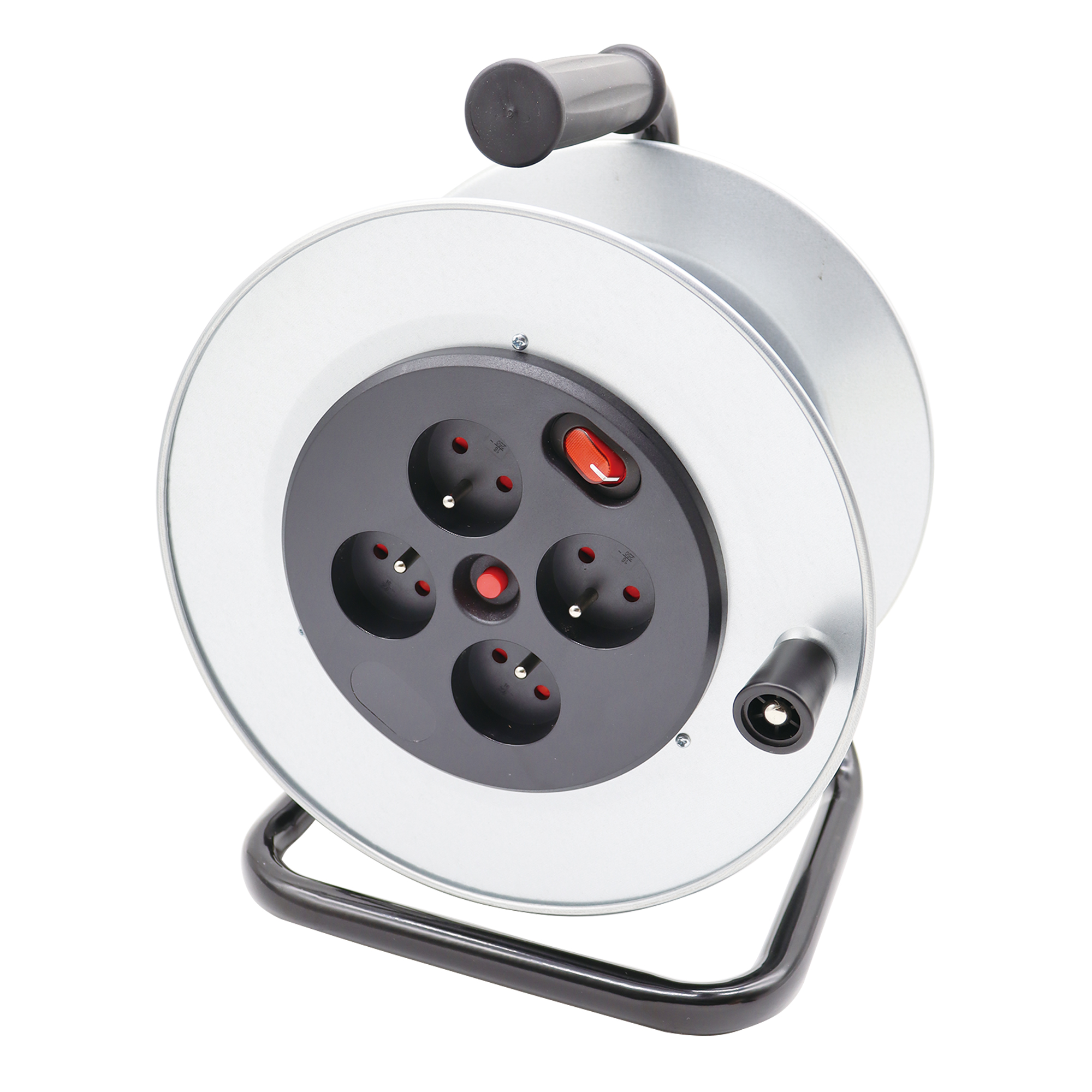
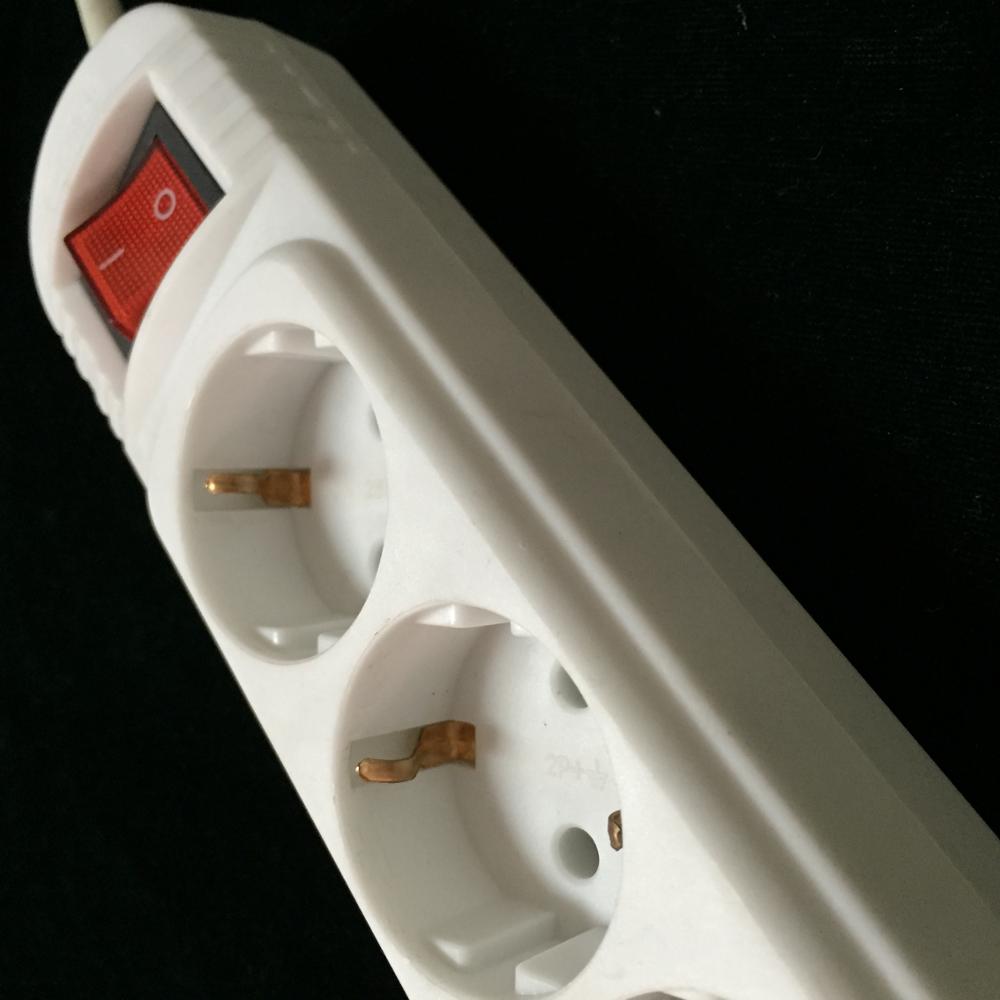
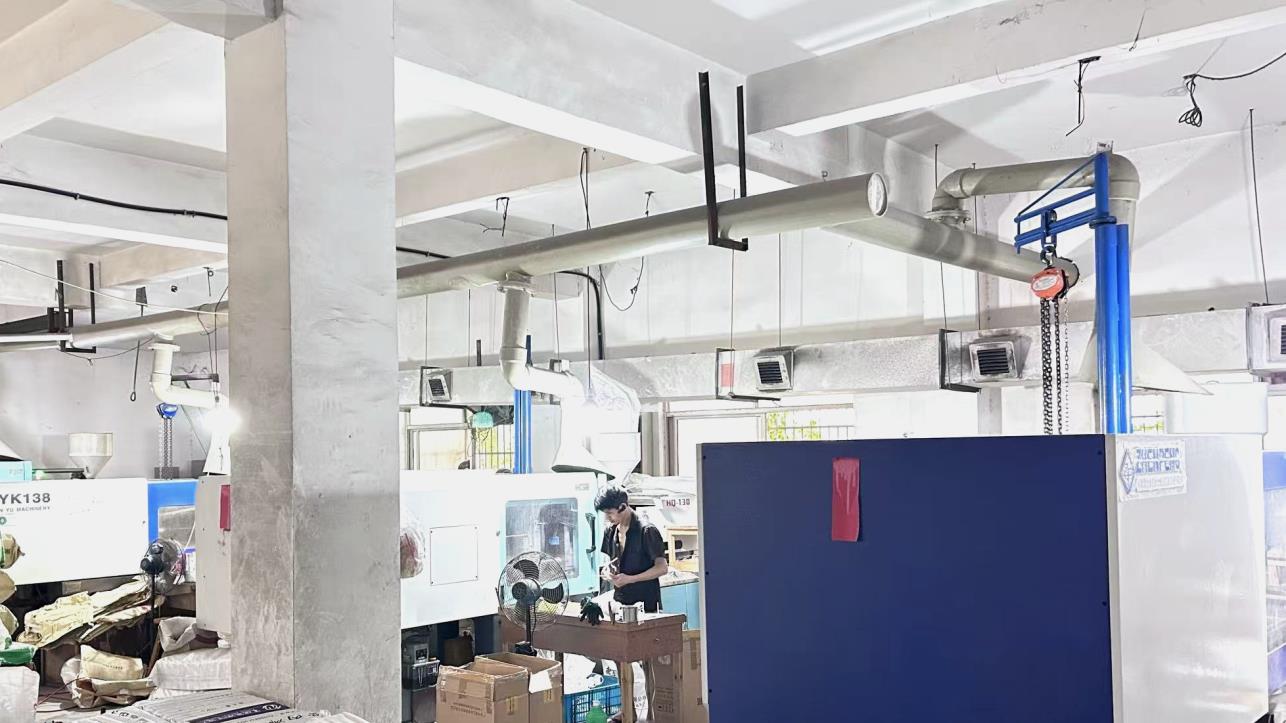
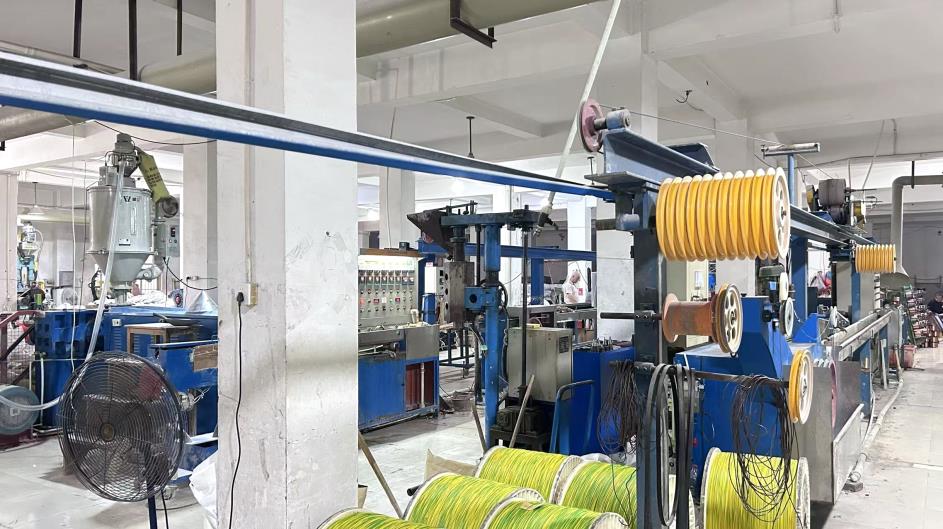
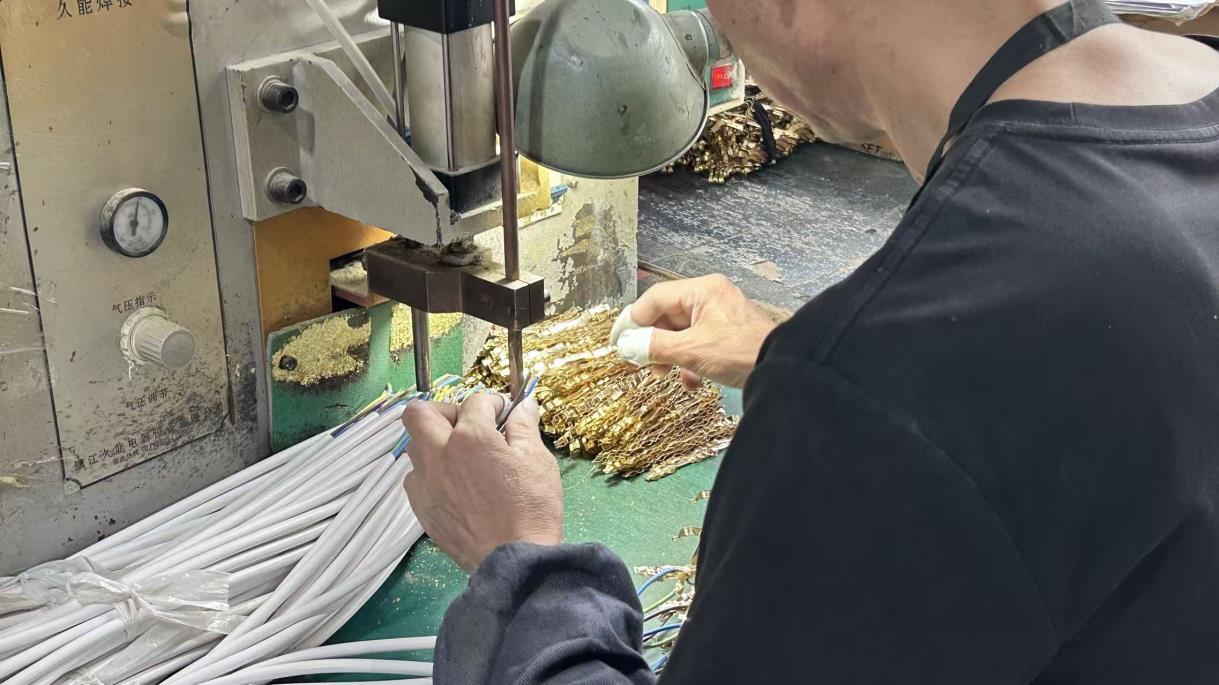
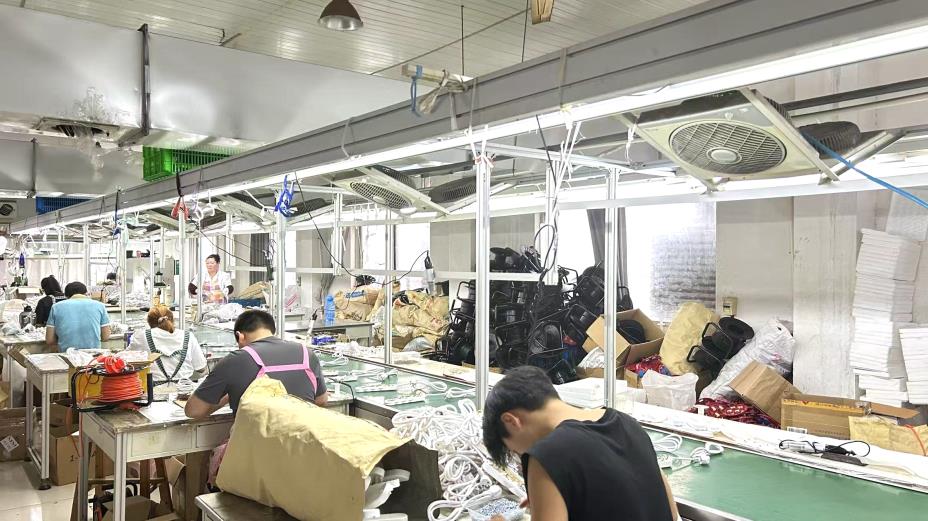
As China’s dedicated export manufacturing specialist, Jiande Lyqen Technology Co., Ltd. builds electrical outlet systems with internal phosphor bronze (CuSn6) continuous-bus strips instead of stamped brass or copper-plated steel. This design maintains strict contact clamping pressure over tens of thousands of insertion cycles, mitigating contact resistance and eliminating runaway Joule heating in heavy commercial environments.
The Tropical Marine Factor: Humidity, Salt Mist, and Ingress Safeguards
Geographically exposed to the direct Atlantic trade winds, Vieux Fort experiences continuous airborne salinity, sustained relative humidity levels ranging between 75% and 92%, and intense equatorial UV index levels year-round. Standard indoor plastic power strips manufactured with inferior ABS resins or low-grade contact plating quickly fail in this environment through a process known as dielectric tracking and galvanic contact corrosion.
Salt mist acts as an electrolyte. When deposited on terminal faces within unsealed extension blocks, it induces micro-arcing between hot and neutral terminals, eventually carbonizing the plastic bridge and causing catastrophic short circuits. To counteract this, Lyqen provides custom-engineered solutions specifically for coastal markets:
- Virgin Polycarbonate (PC) Housings: High-impact, UV-stabilized PC resins that do not craze, yellow, or embrittle under ultraviolet exposure, rated to UL94-V0 flammability.
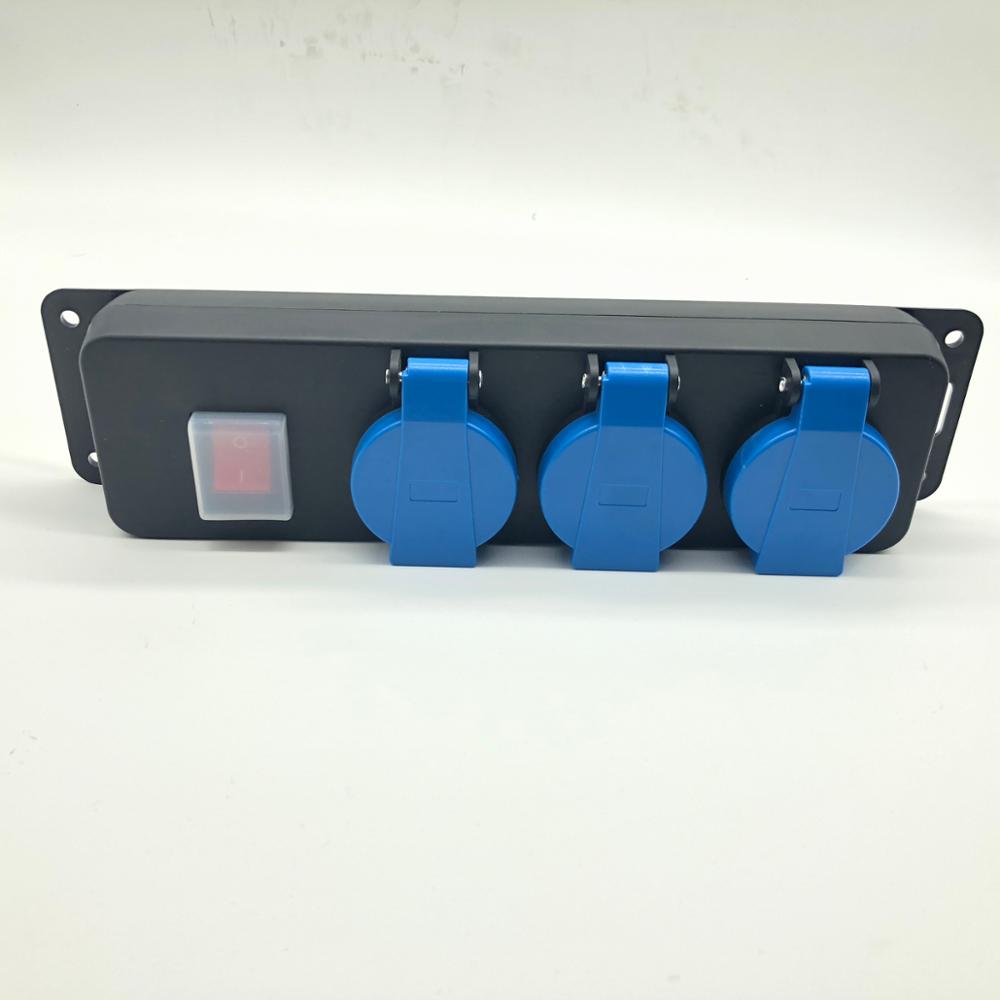
- IP44 and IP66 Splash-Proof Closures: Outlets fitted with elastomeric internal gaskets, stainless steel hinge pins, and spring-loaded self-closing caps that isolate pin chambers when inactive.
- Neoprene Rubber Cables (H07RN-F): Oil-, weather-, and ozone-resistant rubber cabling that withstands abrasive gravel, portside concrete, and solar radiation without jacket cracking.
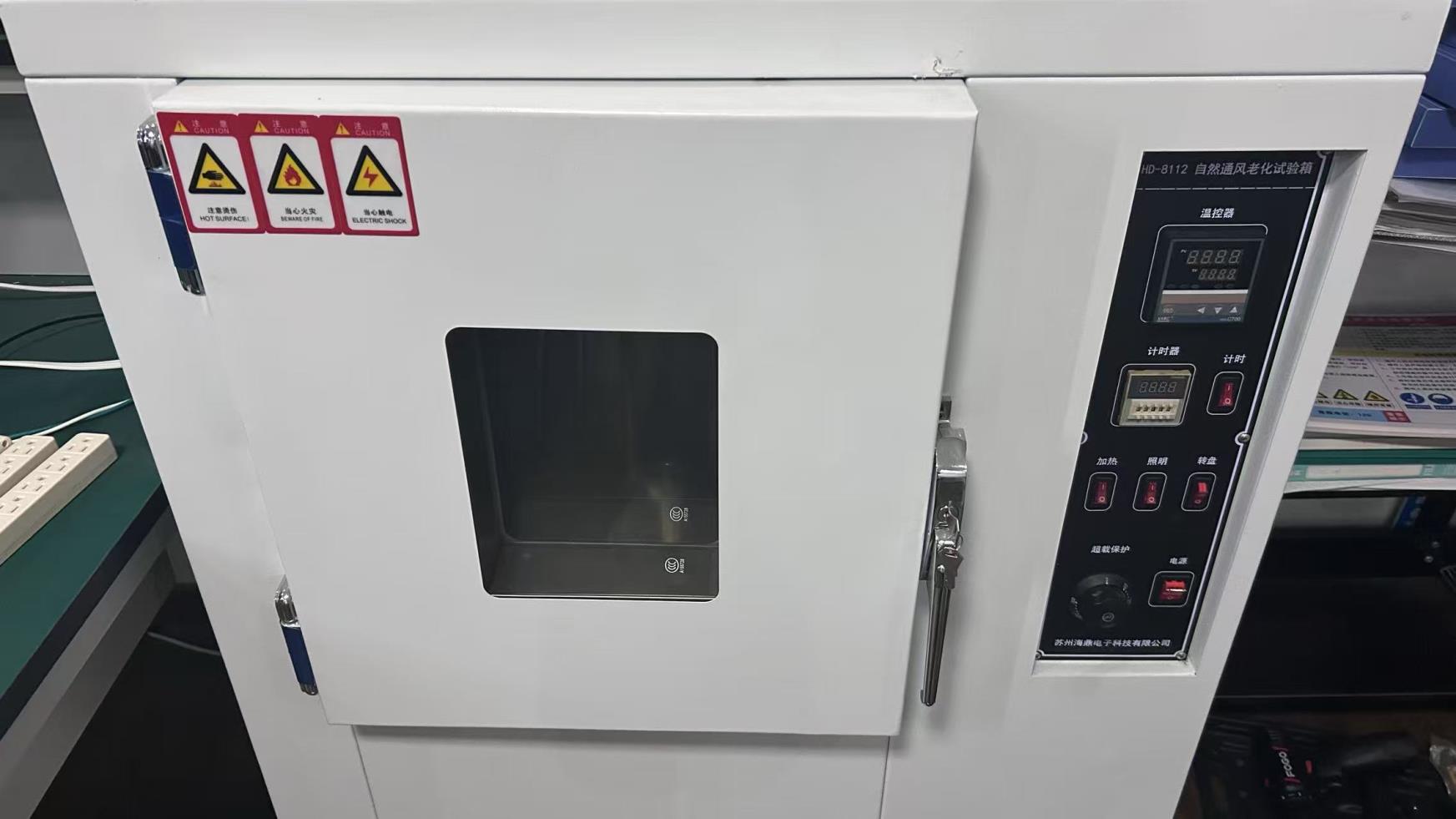
- Tin-Plated Contact Assemblies: Available anti-corrosion barrier platings that halt oxidation under ASTM B117 salt spray testing conditions for over 96 continuous hours.