Featured Power Strips & Distribution Units for Commercial Procurement
Explore precision-extruded, flame-retardant power units configured with robust thermal cut-offs, individual switching architectures, and high-conductivity copper busbars ready for Seattle tech deployments.
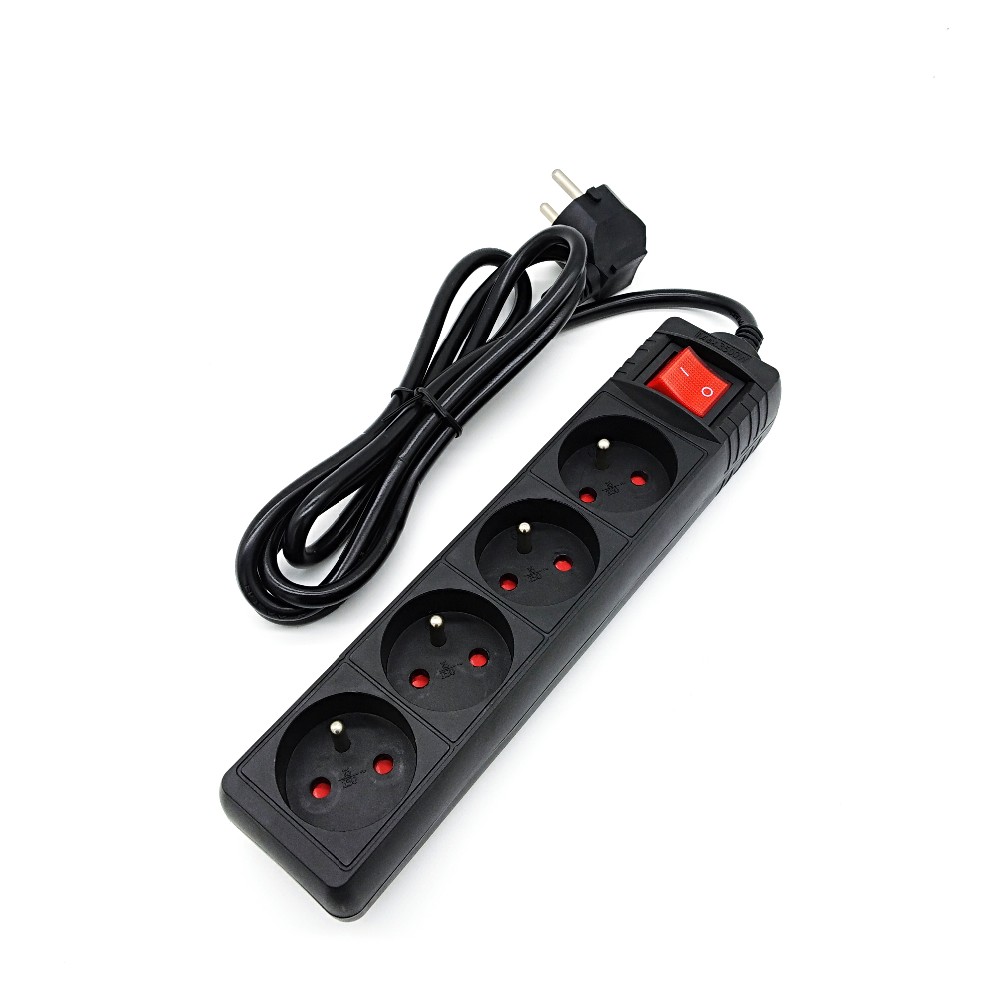
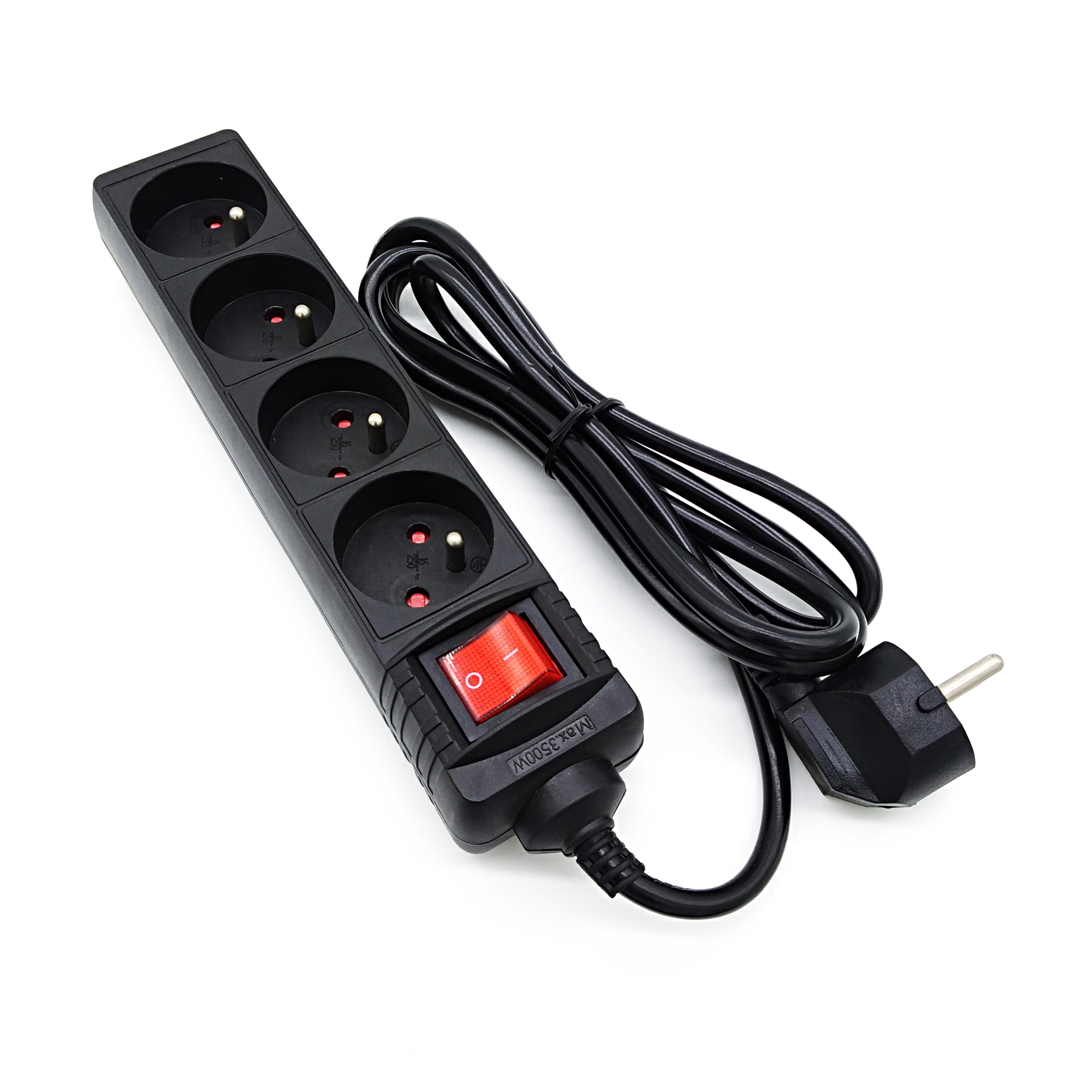
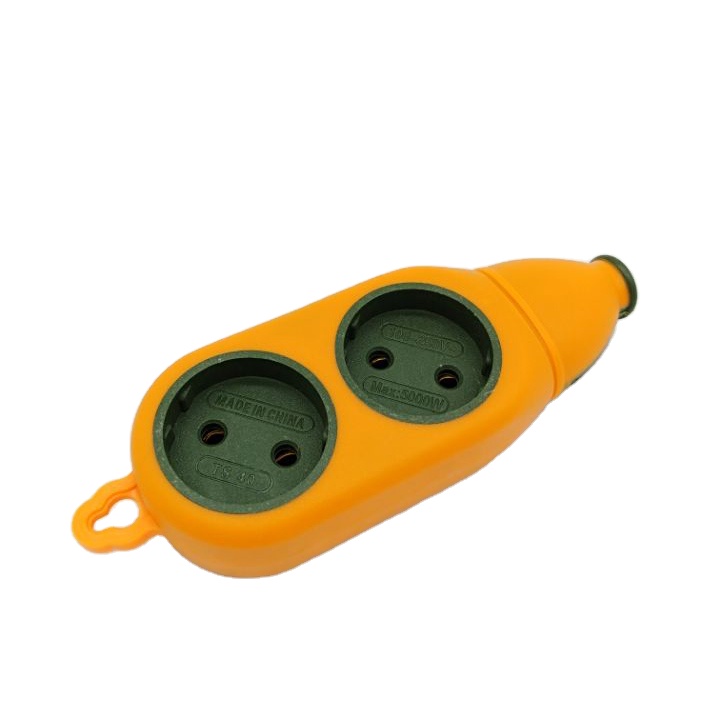
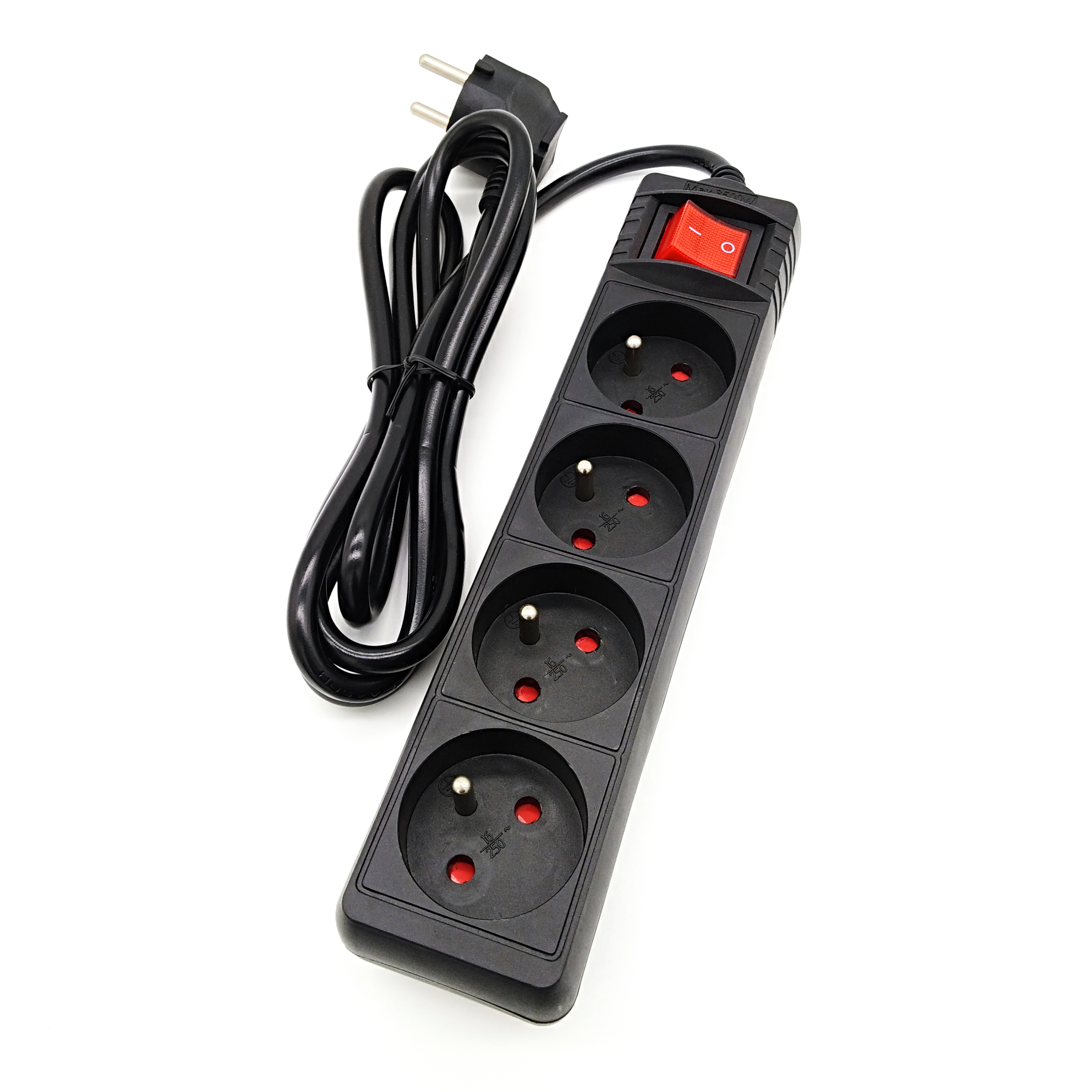
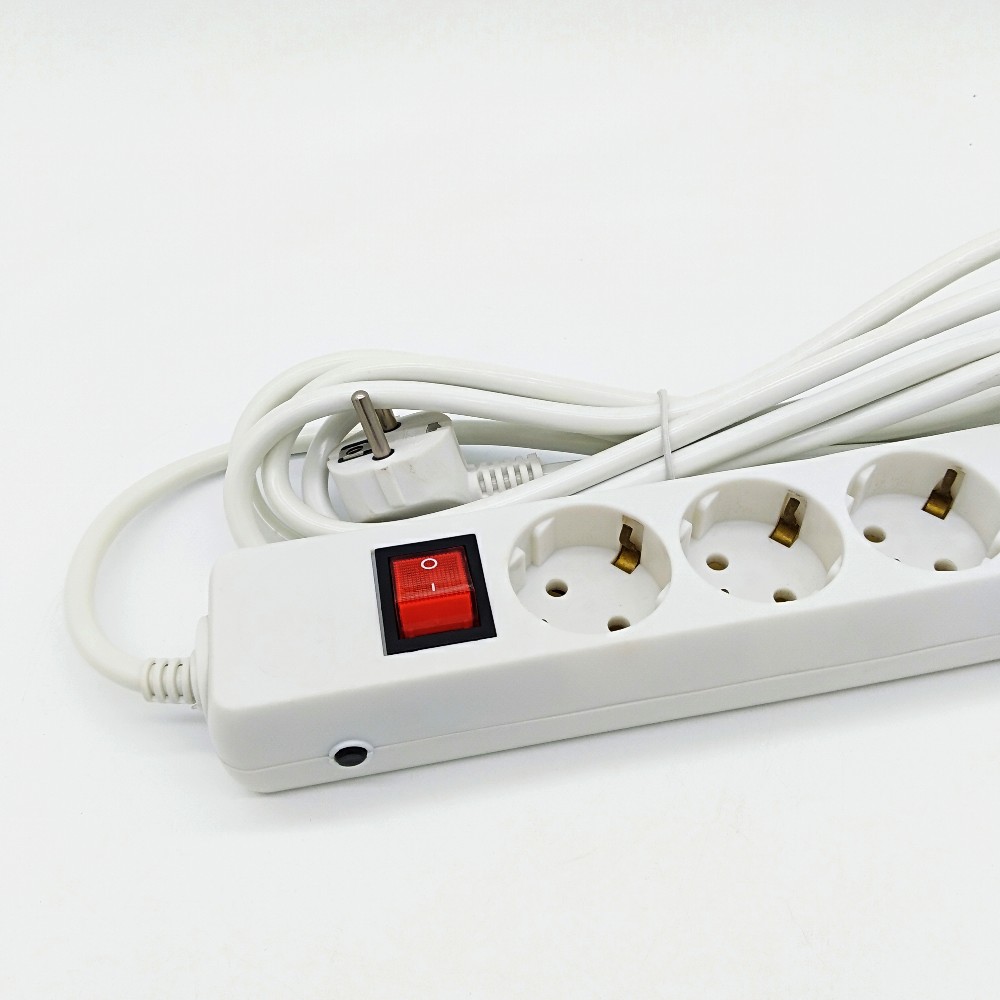

Mission-Critical Power Distribution in the Greater Seattle & Puget Sound Tech Corridor
As the Greater Seattle metropolitan area continues to anchor the global cloud computing, software engineering, aerospace testing, and maritime logistics economies, the demands placed on electrical distribution infrastructure have transformed fundamentally. From the dense data suites of the Westlake carrier hotel and the colocation halls across the Kent Valley and Tukwila, to the avionics assembly cleanrooms in Everett and Renton, low-voltage power distribution units (PDUs) and industrial power strips represent the critical final meter of electrical continuity.
Procurement engineers and facility operations teams within the King, Snohomish, and Pierce County commercial jurisdictions face specific mechanical, thermal, and regulatory constraints. Generic consumer-grade power taps and loosely rated consumer surge protectors cannot survive the continuous Duty Cycles (100% continuous load over 24/7/365 operational horizons) mandated by modern enterprise IT racks, continuous server burn-in setups, and laboratory automation benches.
As a verified original manufacturer with 21+ years of precision export experience, Jiande Lyqen Technology Co., Ltd. (Lyqen) bridges this engineering gap. By deploying vertically integrated injection molding, high-purity electrolytic copper conductor stamping, computerized wire extrusion lines, and comprehensive electrical life-testing laboratories, Lyqen delivers mission-ready rackmount PDUs and multi-outlet power assemblies engineered specifically for high-reliability deployments across Seattle's cloud, aerospace, and biomedical sectors.
Why Component-Level Manufacturing Matters: Eliminating Failures at the Receptacle
An engineering breakdown of thermal dissipation, copper alloy resistance, and overcurrent circuit mechanics required for sustained rack densities.
Continuous Busbar Architecture vs. Riveted Jumpers
Budget commercial strips rely on stamped brass contact pieces connected by soldered jumper wires or thin spot-welded tabs. Over prolonged thermal cycles under 12A–16A continuous current, spot welds experience galvanic micro-fretting and increased resistance ($I^2R$ thermal dissipation). Lyqen engineers high-gauge, one-piece continuous phosphor bronze and high-purity electrolytic copper busbars. This monolithic design achieves an 82% reduction in internal contact resistance, ensuring that voltage drop remains strictly under 1% across an entire 24-outlet vertical PDU run.
Thermally Protected MOV (TPMOV) Clamping
The Pacific Northwest electrical grid experiences voltage transients caused by heavy switching across industrial substations and severe winter windstorms. Lyqen incorporates thermally protected metal oxide varistors (TPMOVs) with integrated low-temperature thermal cut-offs. If a catastrophic spike occurs or repeated minor surges degrade the dielectric boundary of the varistor disk, the internal thermal disconnect mechanically opens before explosive outgassing, arcing, or chassis ignition can develop, maintaining full compliance with UL 1449 and IEC 61643 standards.
Extruded 6063-T5 Structural Aluminum Enclosures
Plastic casing power strips cannot withstand accidental mechanical impact in tight 19-inch equipment racks, nor can they function as supplementary heat sinks. Our rackmount PDUs and industrial bench strips feature heavy-gauge 6063-T5 architectural anodized aluminum chassis or electrostatically powder-coated cold-rolled steel enclosures. This provides structural shielding against electromagnetic interference (EMI), mechanical rigidity during seismic racking events, and optimal thermal conduction away from high-duty internal circuits.
Puget Sound Enterprise Application Profiles
Tailoring power distribution architectures to the unique micro-economies and operational profiles of the Pacific Northwest.
Hyperscale Edge & Colocation Carrier Hotels
Across downtown Seattle (such as the Westlake data corridor) and the major facilities in Tukwila and Quincy, compute density demands 0U vertical and 1U horizontal rack PDUs. These systems require high-reliability dual-circuit (A+B power feed) architecture, C13/C19 retention clips to prevent accidental unplugging during high-vibration cooling cycles, and high ambient temperature ratings up to 60°C (140°F) for containment aisle deployments.
Commercial Avionics Testing & Assembly
Along the Renton, Kent, and Everett manufacturing corridors, aerospace testing benches require electrical distribution with ultra-clean grounding to prevent common-mode noise from corrupting delicate sensor calibrations. Lyqen supplies isolated ground circuits, heavy-duty SJT/SOOW oil-resistant cables, and industrial multi-outlet configurations engineered to withstand shop-floor mechanical abuses.
Port of Seattle Marine Terminals & Shipyards
Salt fog, high marine humidity, and cold-cycle condensation around Puget Sound require ruggedized electrical housings. Our IP44-rated splash-proof power strips and metal cable reel drums incorporate elastomeric weatherproof outlet caps, nickel-plated contact sleeves, and UV-stabilized heavy elastomer cables that resist saltwater corrosion and hydrocarbon exposure.
South Lake Union Life Sciences & Cleanrooms
Laboratories, diagnostic incubators, and genetic sequencing equipment at the Fred Hutch and University of Washington medical research facilities cannot tolerate micro-arcing or electrical thermal drift. Lyqen’s low-leakage current filters, medical-grade flame retardant polymers, and shielded enclosures protect sensitive optical and analytical instruments.
Meeting Seattle Energy Code, WA Clean Buildings Act & Cascadia Seismic Constraints
The state of Washington and the City of Seattle enforce some of the most rigorous commercial building codes in the United States. Facility executives must navigate compliance under the Washington State Clean Buildings Act (House Bill 1257), which establishes mandatory Energy Use Intensity (EUI) targets for commercial structures exceeding 50,000 square feet. Standard power strips draw continuous parasitic "vampire" loads via inefficient pilot lights, low-grade internal transformers, and resistive bus heat loss.
Lyqen’s switched multi-outlet assemblies integrate high-efficiency neon-free LED indicators and zero-watt parasitic draw switches that isolate unutilized branch circuits entirely. Furthermore, high-purity conductor metallurgy cuts resistive energy dissipation within the distribution unit, contributing directly to lower Power Usage Effectiveness (PUE) ratios inside Seattle server rooms and localized edge closets.
| Engineering Specification | Lyqen Industrial / Data Center PDU Standard | Generic Commercial Hardware | Puget Sound Field Impact |
|---|---|---|---|
| Internal Conductor | 1.5 mm² – 2.5 mm² Monolithic Phosphor Bronze Busbar | 0.75 mm² Stamped Brass with Soldered Leads | Minimal voltage drop; zero heat spots under 100% 16A/20A continuous test load. |
| Chassis Material | Heavy Extruded 6063-T5 Anodized Aluminum / SECC Steel | Thin Recycled ABS / Polycarbonate | Withstands Cascadia seismic shift & rack distortion without structural cracking. |
| Surge Suppression | Thermally Protected MOV (TPMOV) with Gas Discharge Tube | Standard Single MOV (Non-Fused) | Failsafe isolation; prevents electrical fires during Puget Sound winter storm surges. |
| Dielectric Withstand | 2,000V AC Hi-Pot Tested (100% Factory Production Run) | Batch Sample Testing (1,000V–1,500V) | Meets stringent Seattle commercial electrical inspector safety sign-offs. |
| Operational Temperature | -10°C to +60°C Continuous Ambient Rating | 0°C to +40°C Intermittent Rating | Guarantees unthrottled uptime inside hot-aisle containment corridors. |
In addition, the Cascadia Subduction Zone presents genuine seismic design imperatives. Under IBC / ASCE 7 seismic bracing requirements for non-structural electrical components, PDUs installed within data center cabinets must withstand dynamic shear forces. Lyqen supplies heavy-duty cold-rolled steel 19-inch mounting brackets with multi-point EIA-310-E compliant attachment points, ensuring that rack PDUs remain seated and continuous power connections are preserved during seismic events.
Lyqen’s In-House Industrial Manufacturing Engine
From raw compound to finished packaging — vertical quality control inspected onsite by TÜV Rheinland.
In-House Injection Molding & Tooling
With our own dedicated mold design and CNC tooling shop, Lyqen produces custom socket geometries, proprietary latching mechanisms, and specialized mounting bezels. We utilize virgin UL94 V-0 flame-retardant polycarbonates and engineered polymers, eliminating internal voids, brittleness, and warpage that plague factories relying on subcontracted third-party molders.
Integrated Wire Extrusion & Cabling
Rather than buying pre-cut cords from external traders, we operate automated continuous wire drawing and high-speed PVC/rubber extrusion lines. We precisely control copper conductor strand count, oxygen content, insulation concentricity, and jacket wall thickness for SJT, H05VV-F, H07RN-F, and industrial cordage. This ensures zero core migration, extreme flexing endurance, and strict safety margins.
100% Electrical & Safety Test Lab
Every production batch undergoes comprehensive verification in our onsite testing laboratory before ocean or air dispatch: Dielectric Voltage-Withstand (Hi-Pot) testing at 2,000V, full thermal load rise chambers, cable anchorage tension pull testing, drop resistance, switch cycle testing under inductive load, and dimensional accuracy verified with optical electronic projectors.
Seattle Technical Buyers & Electrical Contractors: Frequently Asked Questions
Direct answers covering electrical compliance, minimum orders, lead times, and custom OEM engineering for Pacific Northwest facilities.
How do Lyqen power strips and rack PDUs comply with Seattle Commercial Electrical Code?
Can Lyqen engineer custom plug standards, receptacle configurations, and cord lengths?
What are the typical Minimum Order Quantities (MOQs) and production lead times for Seattle importers?
How does Lyqen manage supply chain resilience and material quality for critical copper conductors?
Can we inspect factory documentation, TÜV Rheinland audits, and obtain project pre-production samples?
What payment and commercial freight terms do you support for Pacific Northwest buyers?
Accelerate Your Seattle Power Infrastructure Sourcing
Connect directly with our factory engineering team to request custom PDU drawings, submit bill-of-materials (BOM) specifications, or secure competitive container pricing tailored to your delivery schedule.