Engineered Power Strips & Distribution Modules
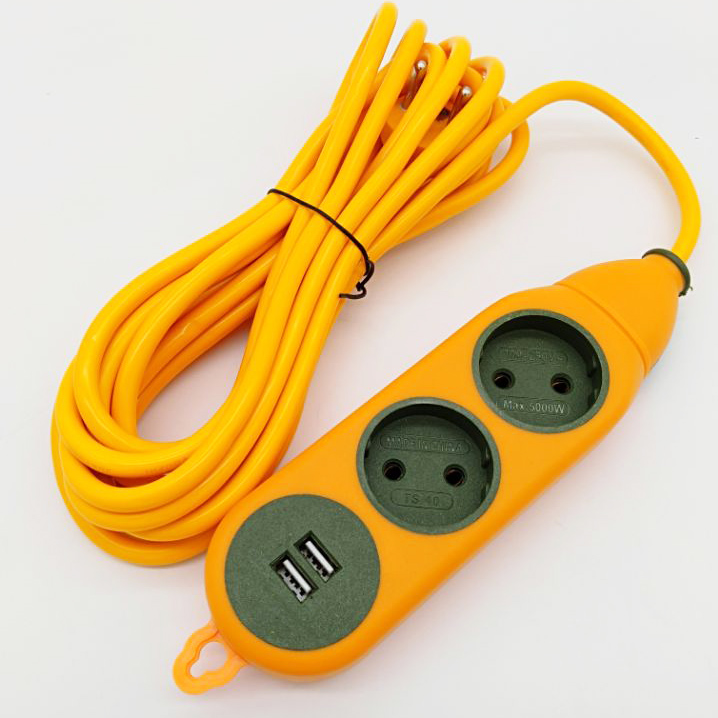
Direct-factory industrial power sockets, outdoor weatherproof splitters, and desk rail tracks built for continuous operation under heavy electrical loads.
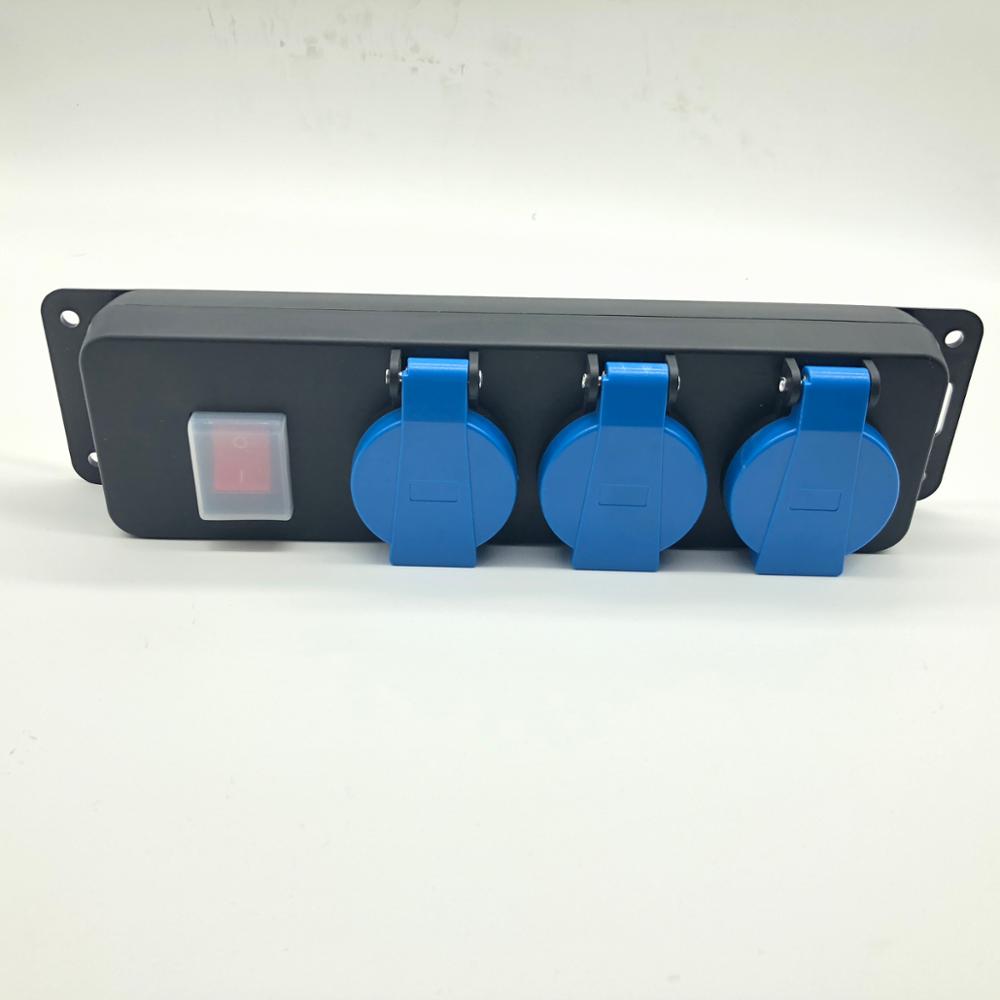
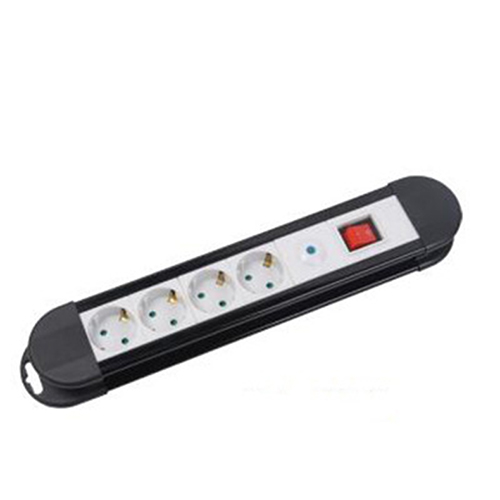
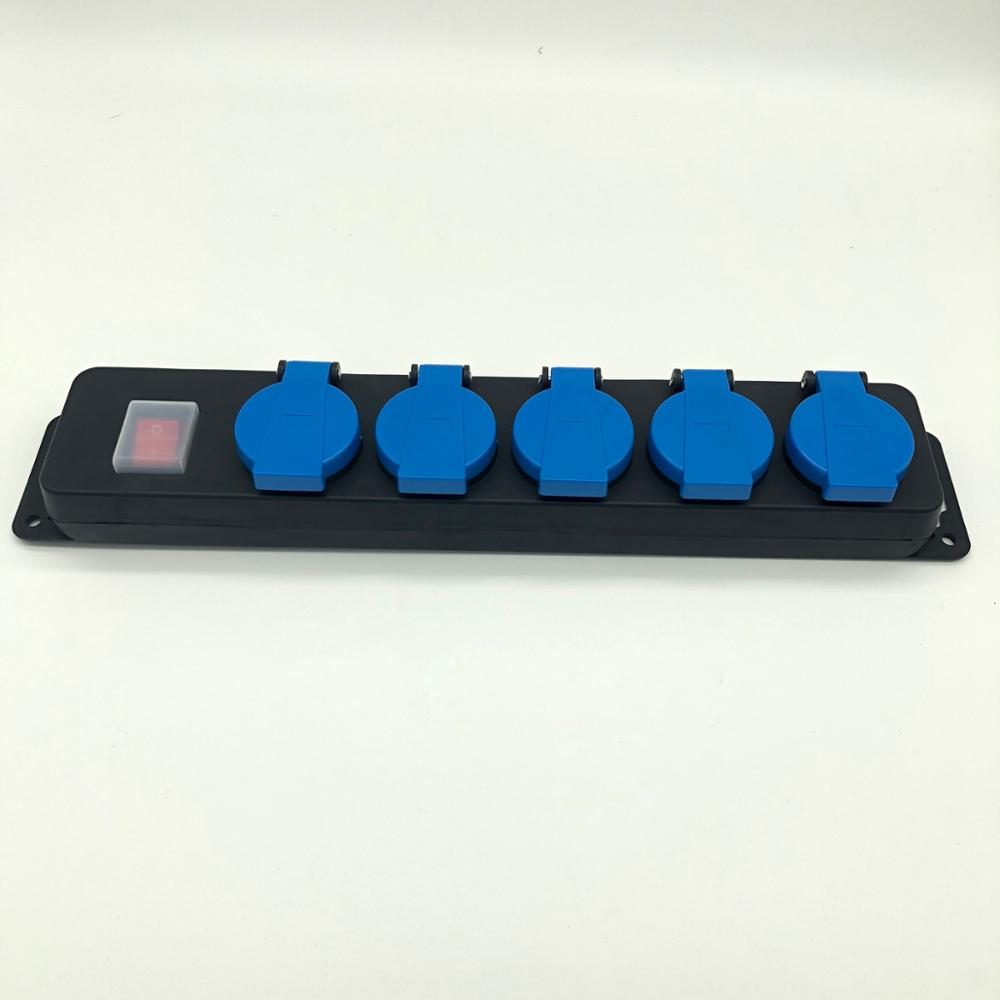
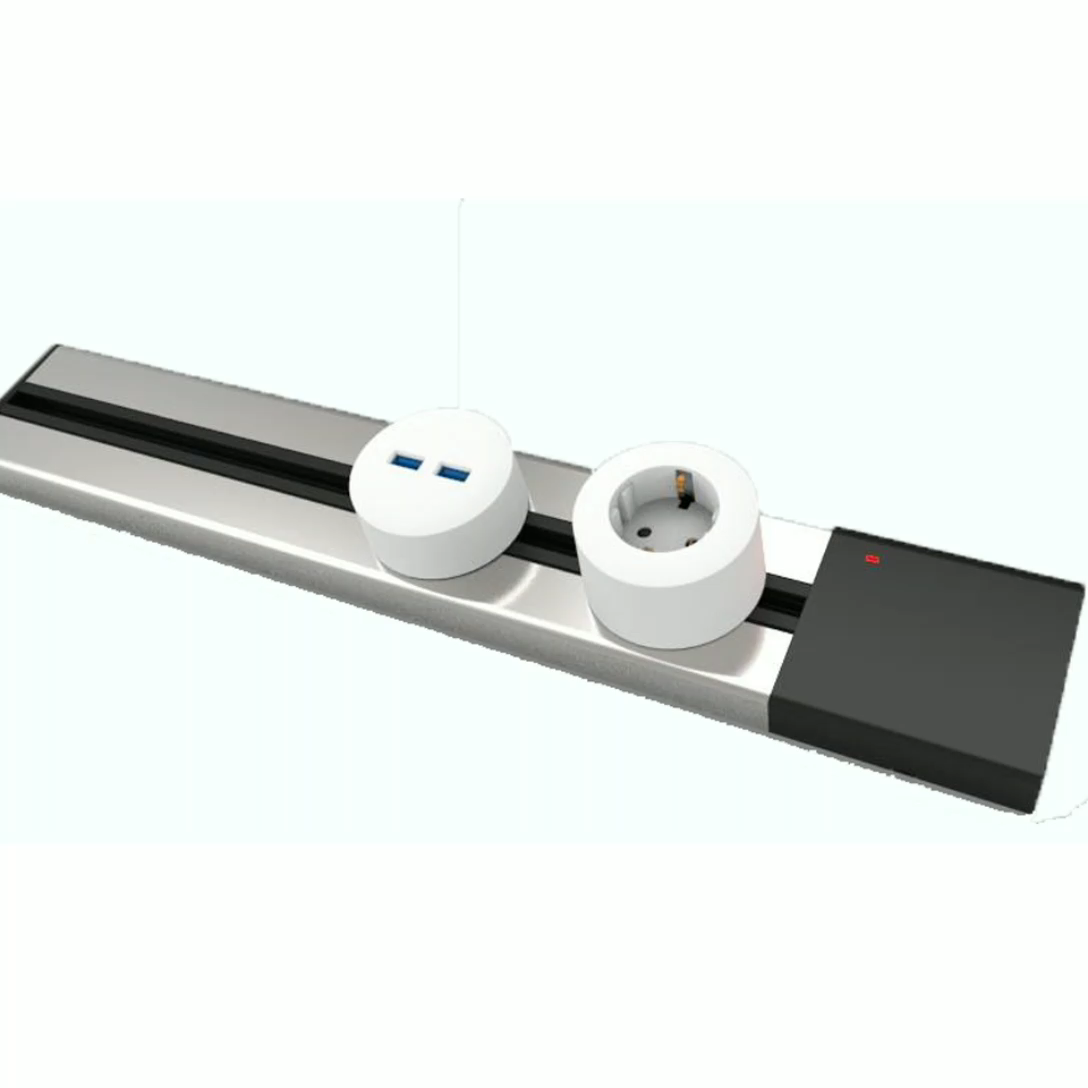
OEM Universal Multi Smart Office Desk Power Rail Track System Socket Outlet
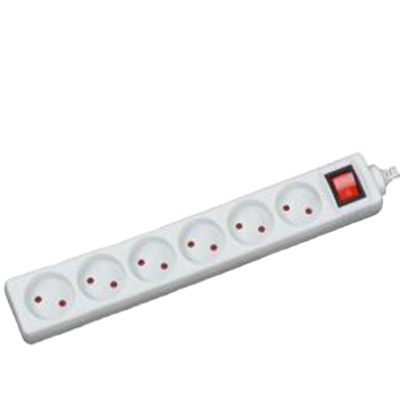
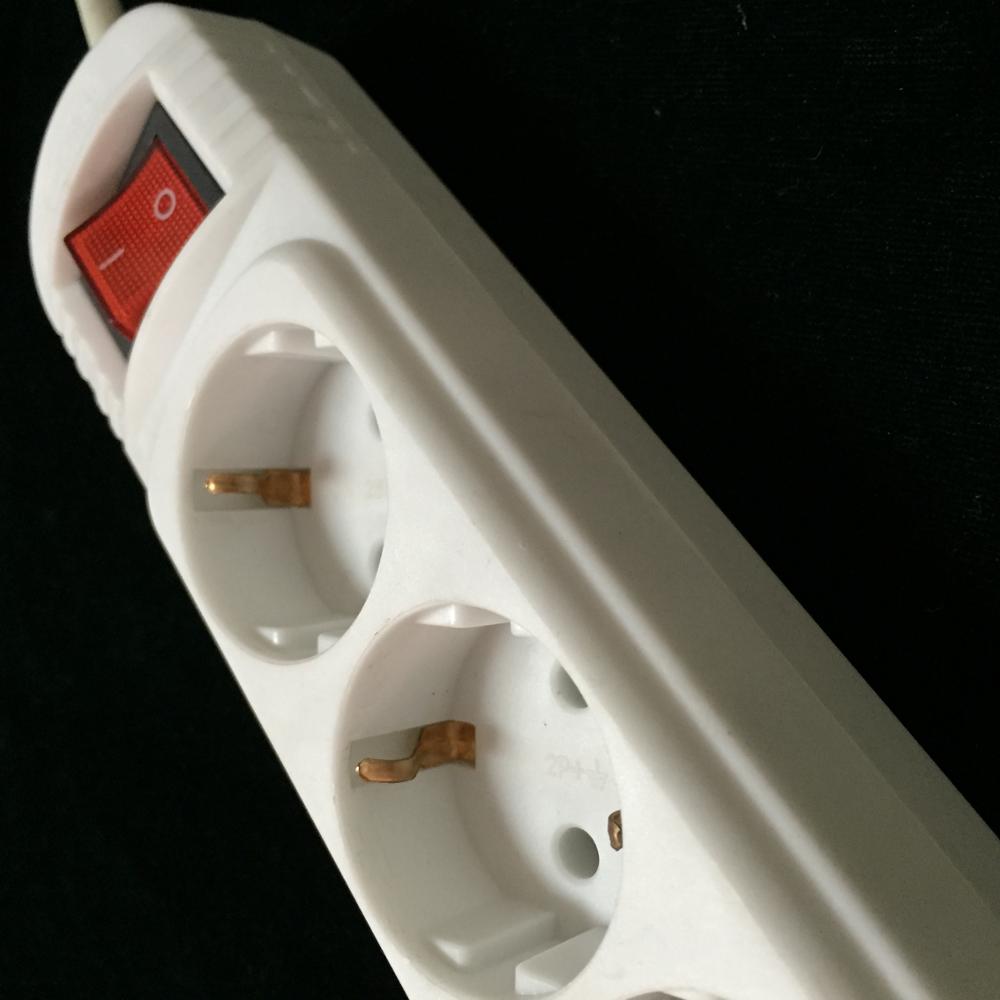
White 6-Outlet European Power Strip with On/Off Switch & Durable Cable
Osaka Power Distribution Landscape: Industrial Precision Meets Modern Electrification
The industrial ecosystem of Osaka and the greater Kansai region represents one of the world's most demanding procurement environments for temporary and portable power distribution equipment. Anchored by the precision fabrication clusters of Higashiosaka, the biomedical research facilities of Saito (Northern Osaka), the logistics corridors surrounding the Port of Osaka, and the extensive urban developments around Yumeshima, industrial facilities require electrical hardware that surpasses baseline consumer standards. For multinational trading houses, original equipment manufacturers (OEMs), and project contractors sourcing portable power strips, electrical taps (OAタップ), and industrial extension units, understanding the nuances of Japan's regulatory and environmental demands is critical.
Unlike broad consumer consumer electronics, power strips destined for commercial and factory deployments across Western Japan must navigate the strict boundary conditions set forth by the Electrical Appliance and Material Safety Act (DEN-AN Law / 電気用品安全法), adhere strictly to JIS C 8303 dimensions, and operate within the distinct 60Hz frequency band that characterizes the Kansai electric grid supplied by Kansai Electric Power Co. (KEPCO). Sourcing managers must balance these rigorous Japanese Domestic Standards with the cost efficiency and scaling capabilities offered by verified overseas manufacturing facilities equipped with complete vertical integration.
Evaluating the Top 10 Portable Power Strip Manufacturers Serving Osaka
Whether purchasing off-the-shelf catalog units through domestic distributor networks or commissioning custom OEM production lines with customized cable lengths, fire-retardant resins, and localized plug interfaces, selecting the right manufacturing partner dictates project safety and commercial margins. Below is the authoritative evaluation of the Top 10 Portable Power Strip Manufacturers active in or directly serving the Osaka market:
Osaka Application Scenarios: Where Engineering Meets Environment
The operating parameters for portable power devices in Osaka are sharply differentiated by the city's unique economic zones. Power strips used in seaside automated logistics warehouses encounter drastically different atmospheric and physical stresses than those installed in central business district (CBD) offices or high-throughput international convention spaces.
Higashiosaka Automation Workshops
Precision CNC machining, metal pressing, and robotic tooling centers require power strips built with spark-resistant, heavy-duty thermoset bodies, oil-resistant rubberized cable sheaths (VCT/VCTF), and positive twist-locking sockets that prevent unintentional cord disconnection under mechanical vibrations.
Umeda & Namba High-Density Offices
Modern corporate headquarters and co-working environments demand sleek power rails, desktop track socket systems, and multi-outlet strips equipped with fast USB-C PD power delivery modules (65W–100W) to power business laptops directly, eliminating bulky individual charging bricks.
INTEX Osaka Exhibition & Pop-Up Venues
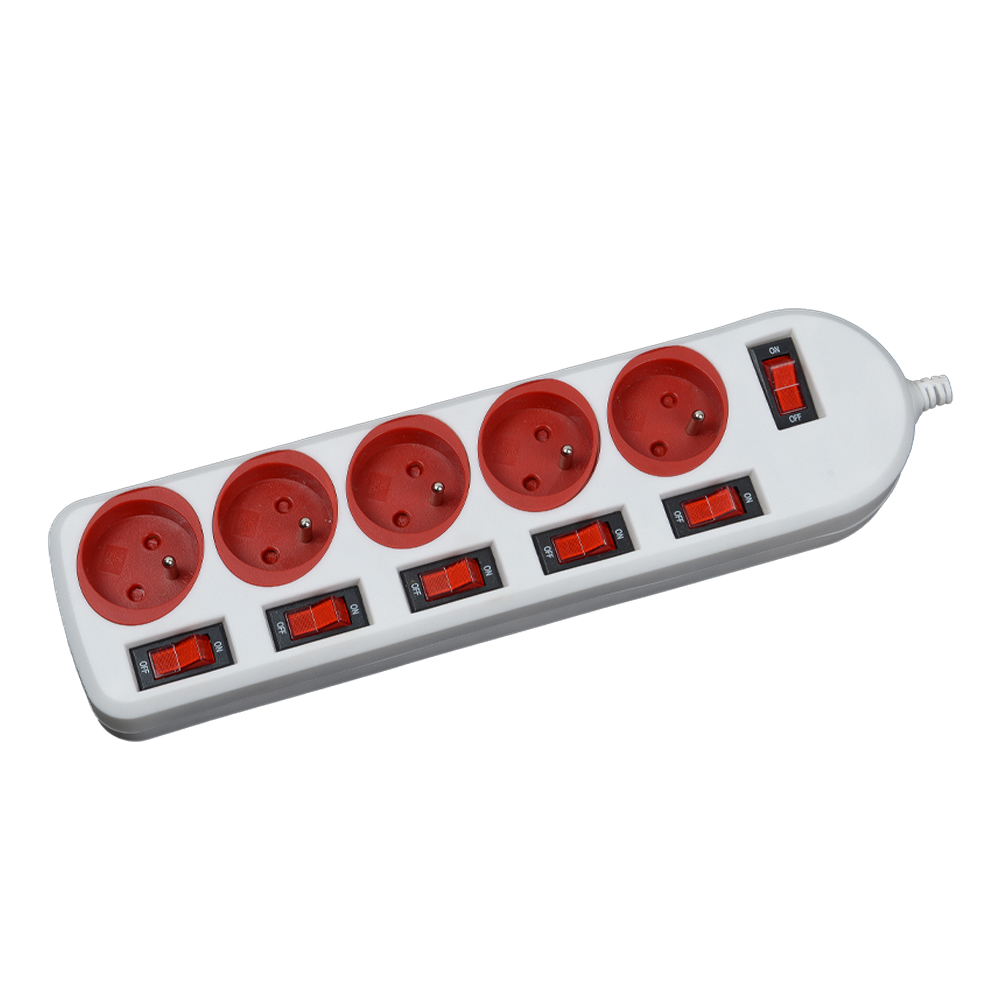
Exhibition pavilions, convention halls, and temporary retail installations require rapidly deployable, modular multi-strips featuring individual switch controls, reset button circuit breakers, and high-visibility, flame-retardant outer casings that satisfy municipal fire safety mandates.
Osaka Bay Cold Chain & Logistics Hubs
Warehousing complexes around Maishima and Nanko experience maritime humidity, condensation, and temperature swings. Deployments here rely on IP44 or IP54 splash-proof power splitters equipped with sealed silicone gasket boundaries and insulated spring caps to ensure zero moisture creep.
Technical Deep Dive: The Criticality of Tracking Resistance in Osaka Facilities
Across Japan, electrical fire prevention guidelines place paramount emphasis on Tracking Prevention (トラッキング防止). In high-humidity coastal zones like Osaka, microscopic airborne dust particulates mixed with ambient salt moisture settle across the base of plug blades left permanently inserted into wall outlets or power strip receptacles. Over time, minute leakage currents track across the organic bridge, carbonizing the resin and sparking flashover fires.
To obtain PSE Circle or Diamond certification and conform to Japanese Fire and Disaster Management Agency (FDMA) directives, power strips destined for Osaka must incorporate:
- Thermosetting Urea Resin Receptacle Cores: Resins that withstand high localized arc temperatures without decomposing into conductive carbon paths.
- Insulated Plug Blade Collars: High-dielectric synthetic sleeves bonded directly to the base of positive and neutral prongs.
- Comparative Tracking Index (CTI) > 175V / 400V: Verified through ASTM D3638 / IEC 60112 electrolyte droplet testing conducted during pre-shipment quality inspection.
Osaka Procurement Trends: 2025–2030 Evolution
Procurement patterns among Kansai engineering firms and commercial facility operators reflect significant technological transitions driven by green building standards, hybrid work patterns, and high-wattage mobile hardware:
Integrated Gallium Nitride (GaN) Fast Charging
Standard USB-A trickle charging (5V/2.4A) has been rendered obsolete by enterprise procurement boards. High-spec power strips now integrate 65W to 100W GaN circuitry supporting USB Power Delivery (PD 3.0/3.1) and QC4+ protocols, empowering workstations to drive laptops and monitors directly while saving outlet real estate.
Halogen-Free & RoHS/REACH Compliant Cabling
In alignment with strict corporate environmental governance (SDGs) prevalent among major Osaka corporations, portable power cords are transitioning to eco-friendly, halogen-free thermoplastic elastomers (TPE/PO). These jacketings emit zero toxic corrosive halogens if exposed to workshop combustion.
Seismic Shock & Vibration Twist-Locking
Given Kansai's rigorous earthquake resilience requirements, mission-critical facility operators favor power strips with positive twist-lock or mechanical latch mechanisms. These prevent vital industrial monitoring instruments from working loose under structural vibration.
Comparative Standard Reference: Japan (PSE) vs. Global Equivalents
Understanding how international power strip ratings cross-reference against Japan's domestic regulatory framework is essential for OEM procurement teams managing global tooling platforms.
| Feature / Standard | Japan Domestic (PSE / JIS C 8303) | European (CE / CEE 7/7 Schuko) | North American (ETL / UL 1363) |
|---|---|---|---|
| Nominal Grid Voltage | 100V AC (Western Japan 60Hz - Osaka) | 230V AC (50Hz) | 120V AC (60Hz) |
| Standard Amperage Rating | 15A (Up to 1,500W Max Load) | 16A (Up to 3,680W Max Load) | 15A (Up to 1,800W Max Load) |
| Mandatory Tracking Protection | Mandatory (Insulated Sleeves + Urea Core) | Optional / Standard Grounding Focus | UL 1449 / Spacing & Arcing Focus |
| Wire Insulation Types | VCTF (Vinyl Cabtyre) / HVCTF Heat-Proof | H05VV-F / H07RN-F (Heavy Rubber) | SJT / SJTW (Outdoor Rated) |
| Flame Retardancy Benchmark | Glow Wire 750°C / UL94 V-0 or V-1 | IEC 60695-2-11 Glow Wire 750°C/850°C | UL 94 V-0 Flame Spread Standards |
| Direct OEM Customization Path | Custom tooling with Lyqen OEM lines | Standard European tooling available | Universal / US NEMA tooling ready |
Jiande Lyqen Technology: Engineering Authority for Export Precision
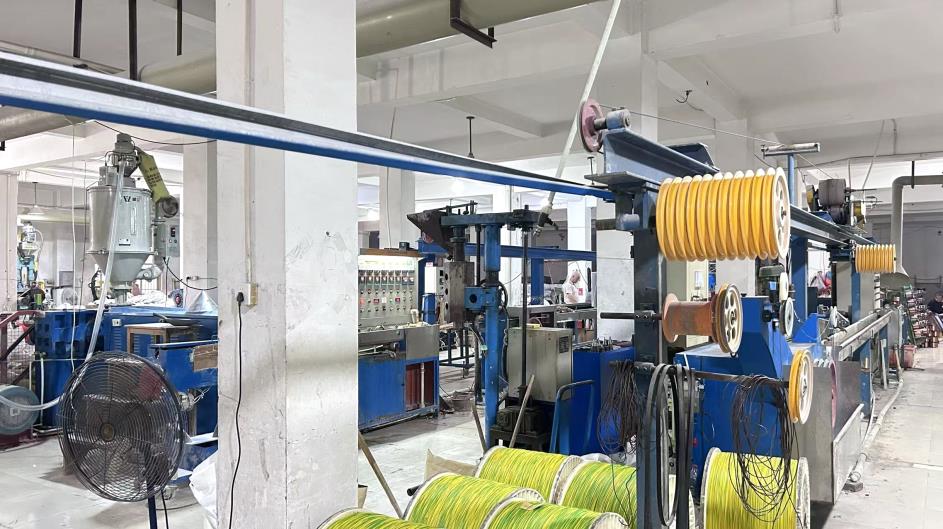
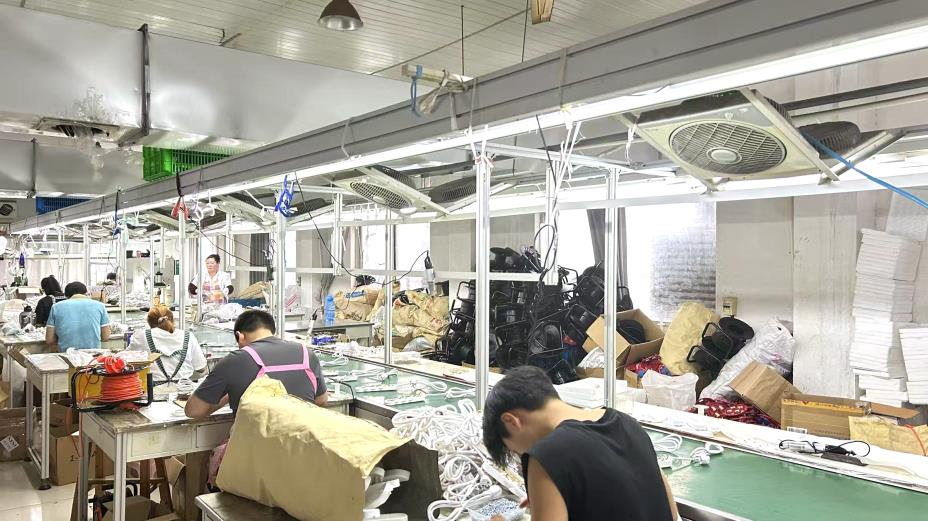
Established in 2006, Jiande Lyqen Technology Co., Ltd. (located in the Chengnan Industrial Function Zone, Meicheng Town, Jiande, Hangzhou, Zhejiang, China) serves as a specialized, fully vertically integrated manufacturer of commercial-grade power strips, industrial extension cords, and heavy-duty cable reels. With over 21 years of dedicated export engineering and 13+ years of OEM/ODM custom development, Lyqen provides global importers and Osaka distributors with direct factory manufacturing capabilities.
Our factory spans a 5,000–10,000 square meter standardized production base housing 6 automated assembly lines, in-house injection molding, PVC granulation compounding, wire extrusion, and automated spot welding. We eliminate third-party subcontractor markups while providing complete metallurgical and polymer traceability for all raw materials.
Osaka B2B Buyer Frequently Asked Questions
Straightforward technical answers to the most common questions raised by procurement managers, hardware buyers, and OEM brand teams in the Kansai area.
What is the distinction between Diamond PSE and Circle PSE for portable power strips imported to Osaka?
Under Japan's DEN-AN law, portable power strips without internal active components (simple extension cord sets) are classified as "Specified Electrical Appliances" (特定電気用品), requiring mandatory third-party testing by a METI-registered conformity body to carry the Diamond PSE (菱形PSE) mark. If a power strip incorporates built-in AC-DC converters, step-down transformers, or integrated USB charging ports, those DC modules fall under distinct Category B classifications that may carry the Circle PSE (丸形PSE). Lyqen coordinates all pre-testing documentation and design adaptations to ensure smooth customs clearance into the Port of Osaka or Port of Kobe.
How does Osaka's 60Hz grid frequency impact power strip selection?
Japan is divided into two distinct utility frequencies: Eastern Japan (Tokyo, 50Hz) and Western Japan (Osaka, 60Hz). Pure passive copper busbars and cords are inherently dual-frequency rated. However, power strips incorporating active EMI/RFI noise filters, internal inductors, or smart monitoring chips must be engineered specifically for 60Hz harmonic characteristics to prevent unexpected core saturation, inductive heating, or erroneous current sensing in Osaka manufacturing facilities.
What is the Minimum Order Quantity (MOQ) for custom OEM/ODM tooling?
Unlike domestic conglomerates that mandate tens of thousands of units for custom housing molds, Lyqen provides highly agile OEM support. Standard customized cord lengths, custom color housings, and buyer private-label packaging start at low MOQs from 100 to 300 pieces for industrial cable reels and IP44 units, and 500 pieces for custom-tooled desk rail modules and multi-switch strips.
Can Lyqen provide magnetic mounting bases for metal office desks and factory racking?
Yes. A staple requirement for Japanese office automation (OA) and industrial workbench use is strong neodymium magnetic mounting backplates. Lyqen engineers rear enclosures with dedicated recessed dual-magnet pockets that secure the strip firmly to steel desks, partition panels, or machine tool enclosures, fully resisting cord drag.
What trade terms and shipping lead times apply for delivery to the Port of Osaka?
Lyqen accepts FOB, CIF (Osaka/Kobe Port), and EXW terms, with flexible currency settlement in USD, EUR, or CNY via T/T or L/C. Standard mass production runs require 25–35 days from sample sign-off, with maritime transit from Ningbo/Shanghai to Osaka taking only 3 to 5 days, enabling rapid inventory turnover for Kansai distributors.
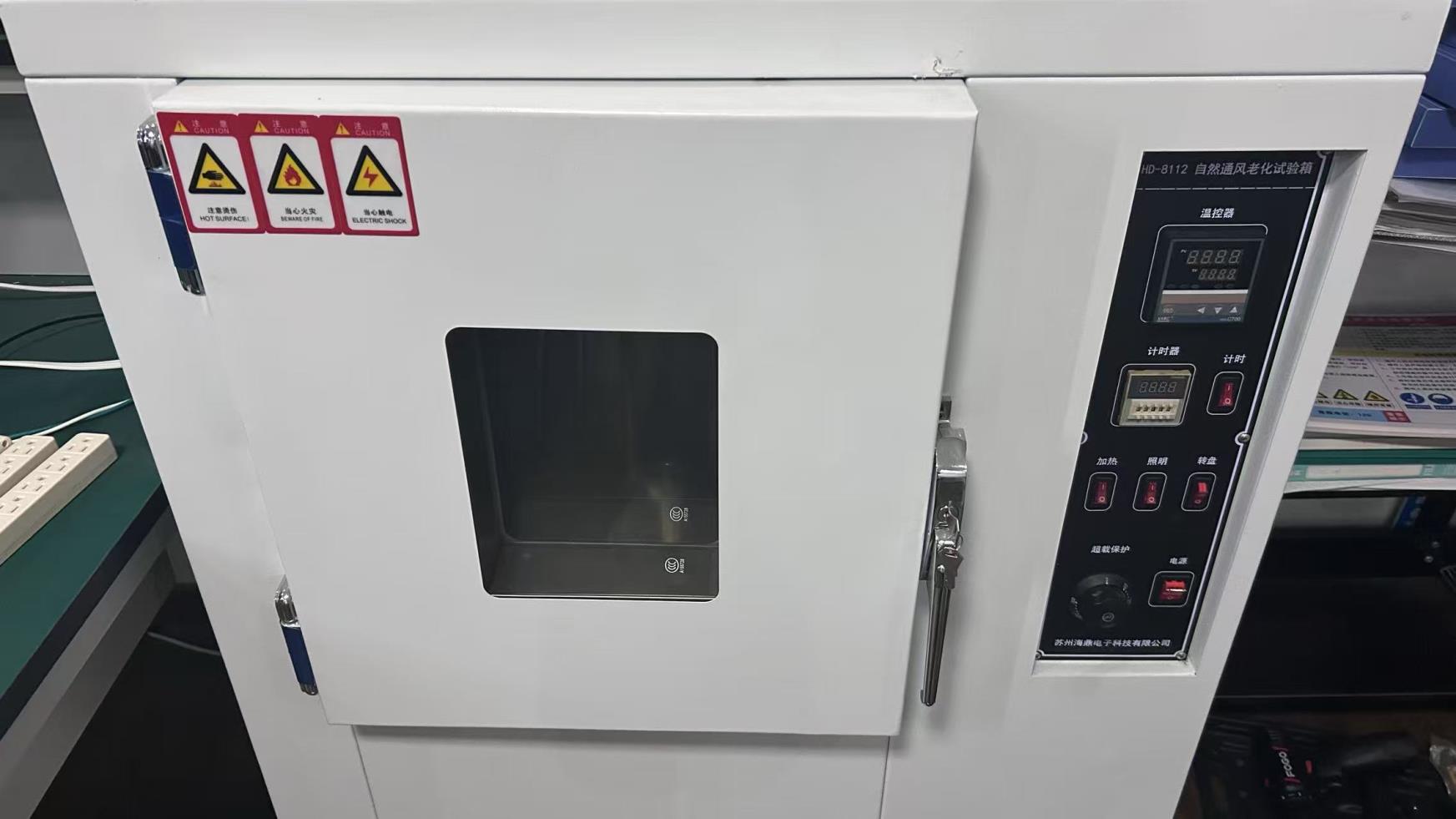
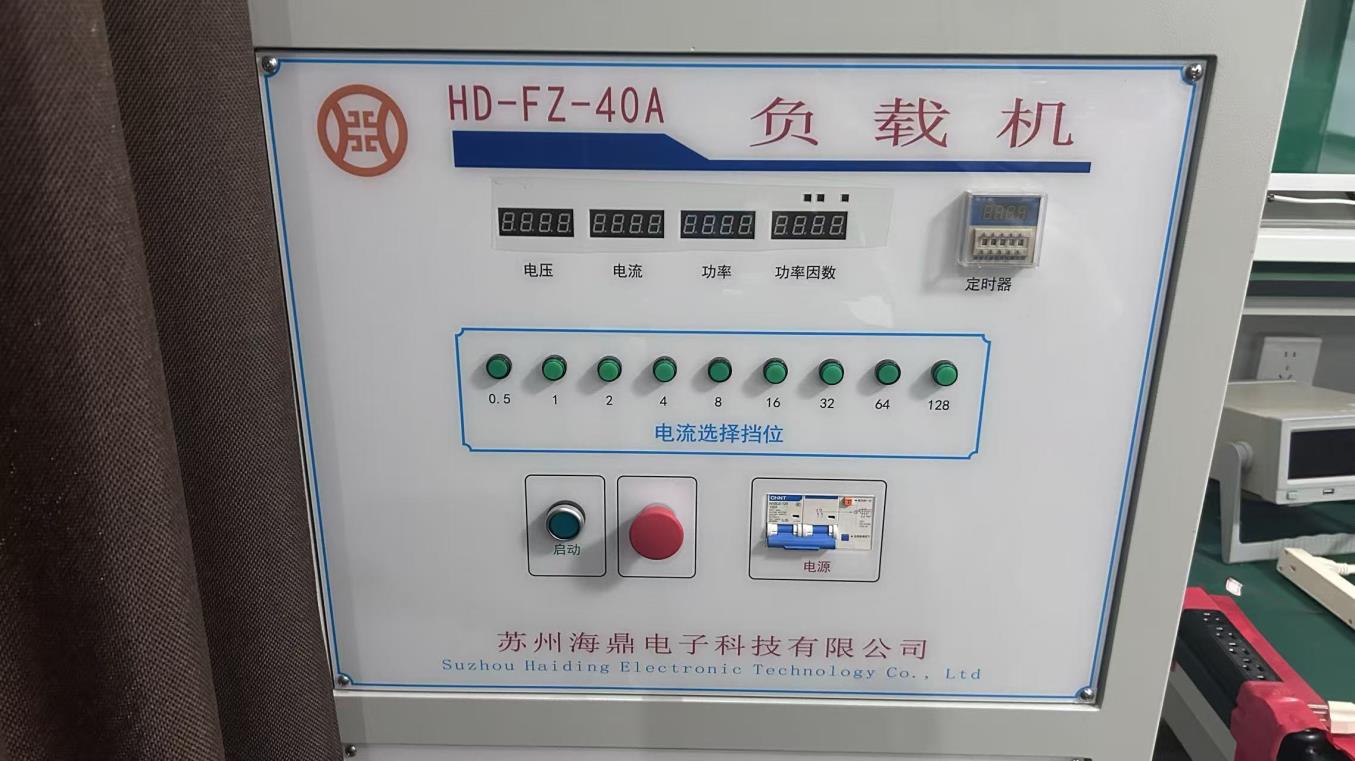
How does your in-house laboratory ensure zero product recall risk?
Every production batch undergoes 100% automated electrical continuity, high-voltage breakdown dielectric testing (at 1500V–3000V AC), temperature-rise load endurance, and cord tension anchor pull testing (100N pull cycles) in our dedicated laboratory. Full testing logs are archived with traceability back to the raw copper coil and plastic resin lot.
Ready to Source High-Reliability Power Strips for Osaka Projects?
Connect directly with our engineering team. We supply full technical specifications, compliance verification files, custom housing 3D CAD modeling, and factory direct quotations tailored to your exact Kansai commercial or industrial deployment requirements.