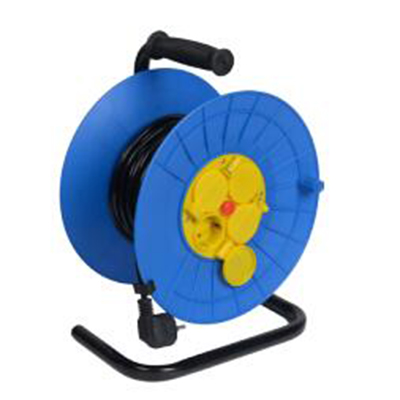
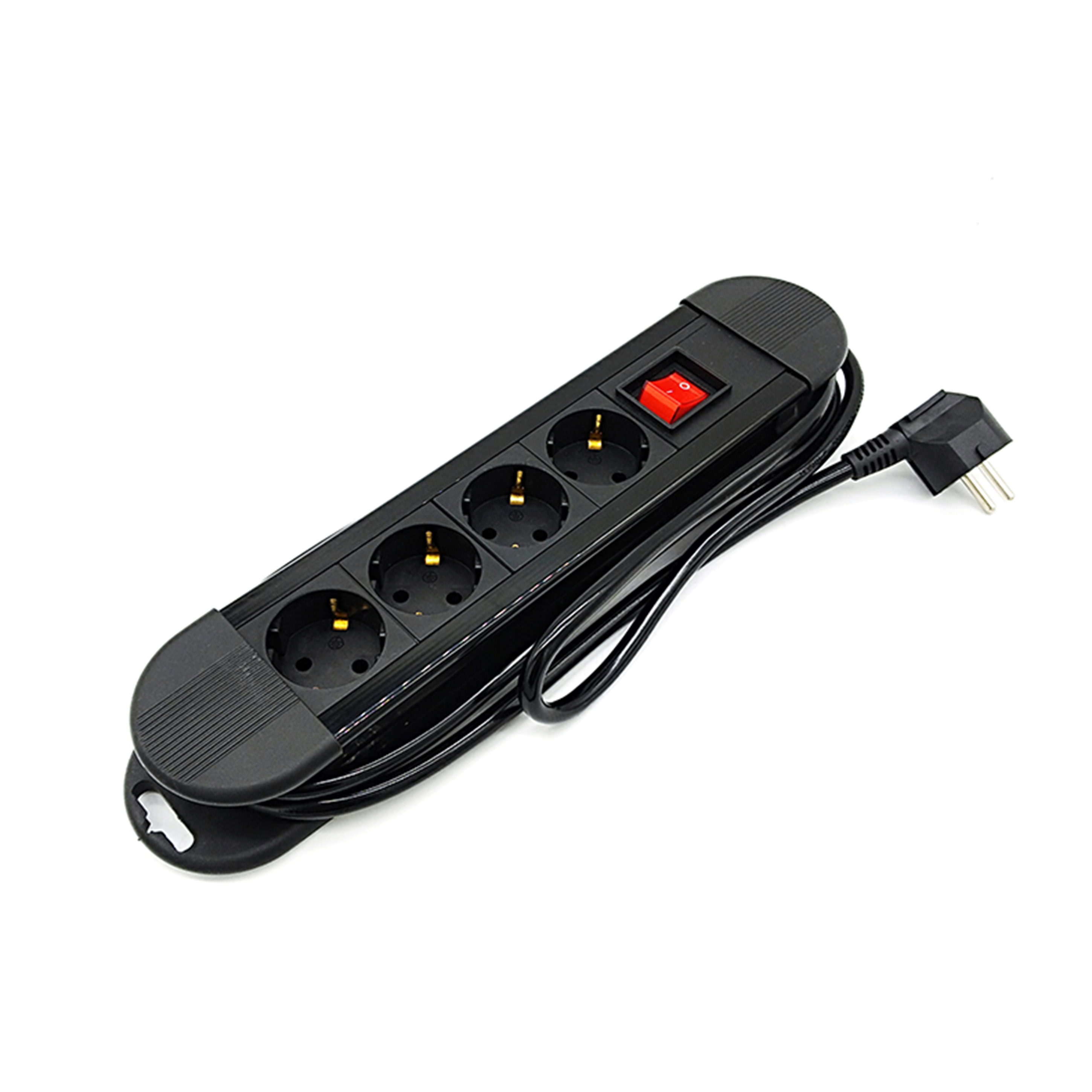
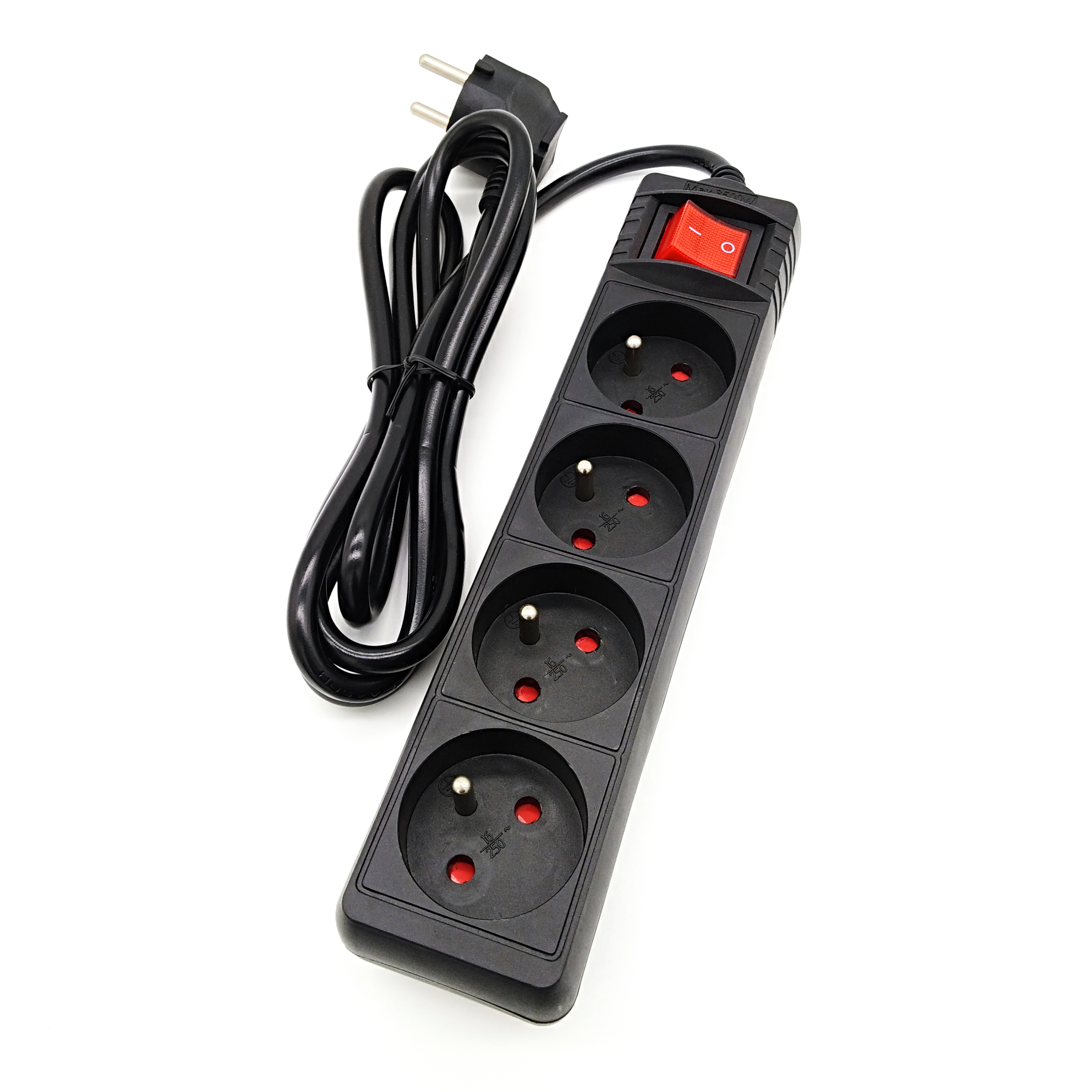
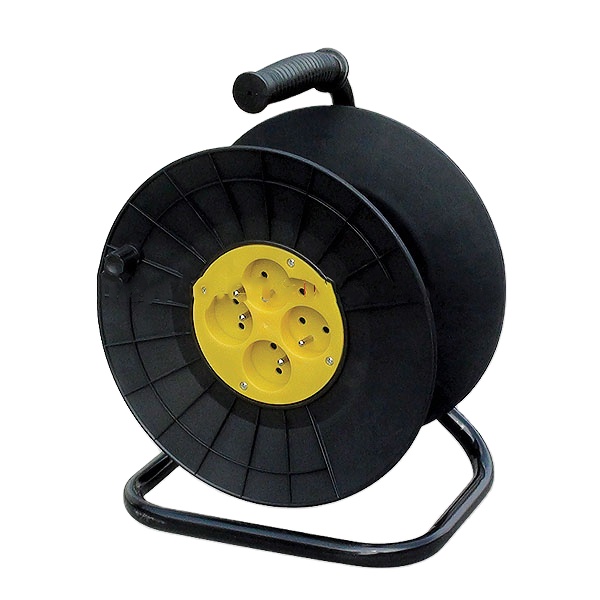
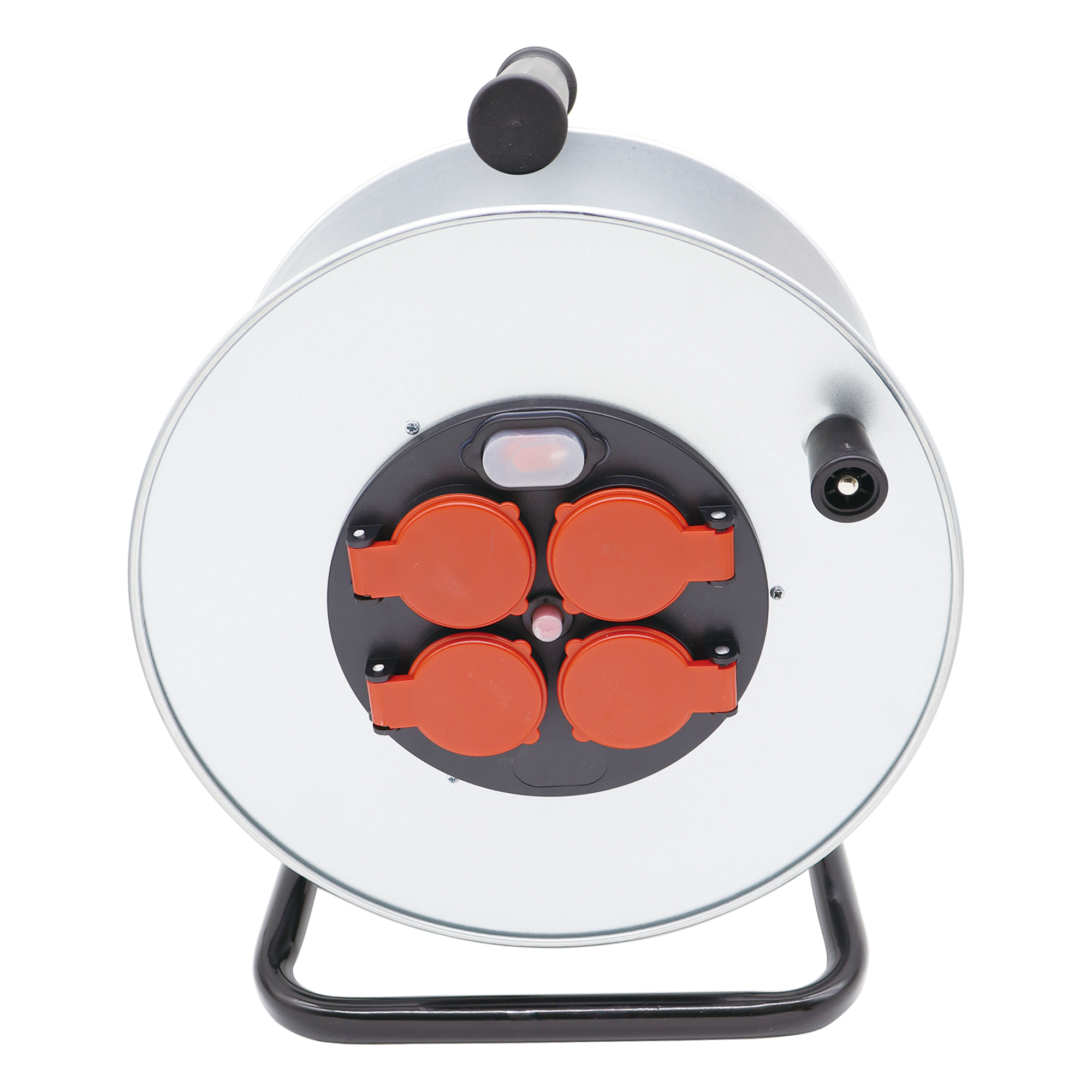
- Standard: Heavy-Duty Euro / Schuko Drum
- Safety: Integrated Thermal Cutoff Protection
Certified electrical distribution solutions compliant with CE, GS, and ETL performance protocols, optimized for cross-border electronics trade and regional engineering standards.
San Jose, widely recognized as the operational and technological heart of Silicon Valley, maintains the highest density of enterprise hardware prototyping facilities, hyperscale data center operations, semiconductor fabrication cleanrooms, and testing laboratories in North America. Sourcing power cords, heavy-duty extension cord reels, and rack-mounted power distribution units (PDUs) in San Jose requires navigating distinct operational challenges unlike typical residential or light commercial procurement.
Hardware testing facilities in the North San Jose, Santa Clara border, and South Bay tech corridors frequently simulate global deployment topologies. As these facilities design, burn-in, and validate enterprise networking equipment, edge AI servers, and medical systems slated for worldwide export, engineering procurement managers face severe friction when transitioning between US domestic NEMA standards (such as NEMA 5-15P, 5-20P, L6-30P) and international standards (including IEC 60320 C13/C14/C19/C20, Schuko CEE 7/4 or 7/7, French Type E, and British BS 1363). Importers and infrastructure managers require suppliers capable of providing dual-certified hardware, precision copper extrusion, high mechanical endurance, and strict thermal compliance.
A frequent failure mode in high-density San Jose laboratories involves conductor under-sizing and thermal compounding failure. When low-grade aluminum-clad copper (CCA) conductors are accidentally deployed under sustained continuous load (often exceeding the 80% NEC derating threshold), inductive heating generates thermal runaway, degrading jacket insulation and producing unacceptable voltage drops across 30m to 50m distances. Sourcing directly from an established primary manufacturer that controls copper drawing, plastic compounding, and automatic terminal welding ensures that every run provides true electrolytic copper wire with minimal electrical impedance.
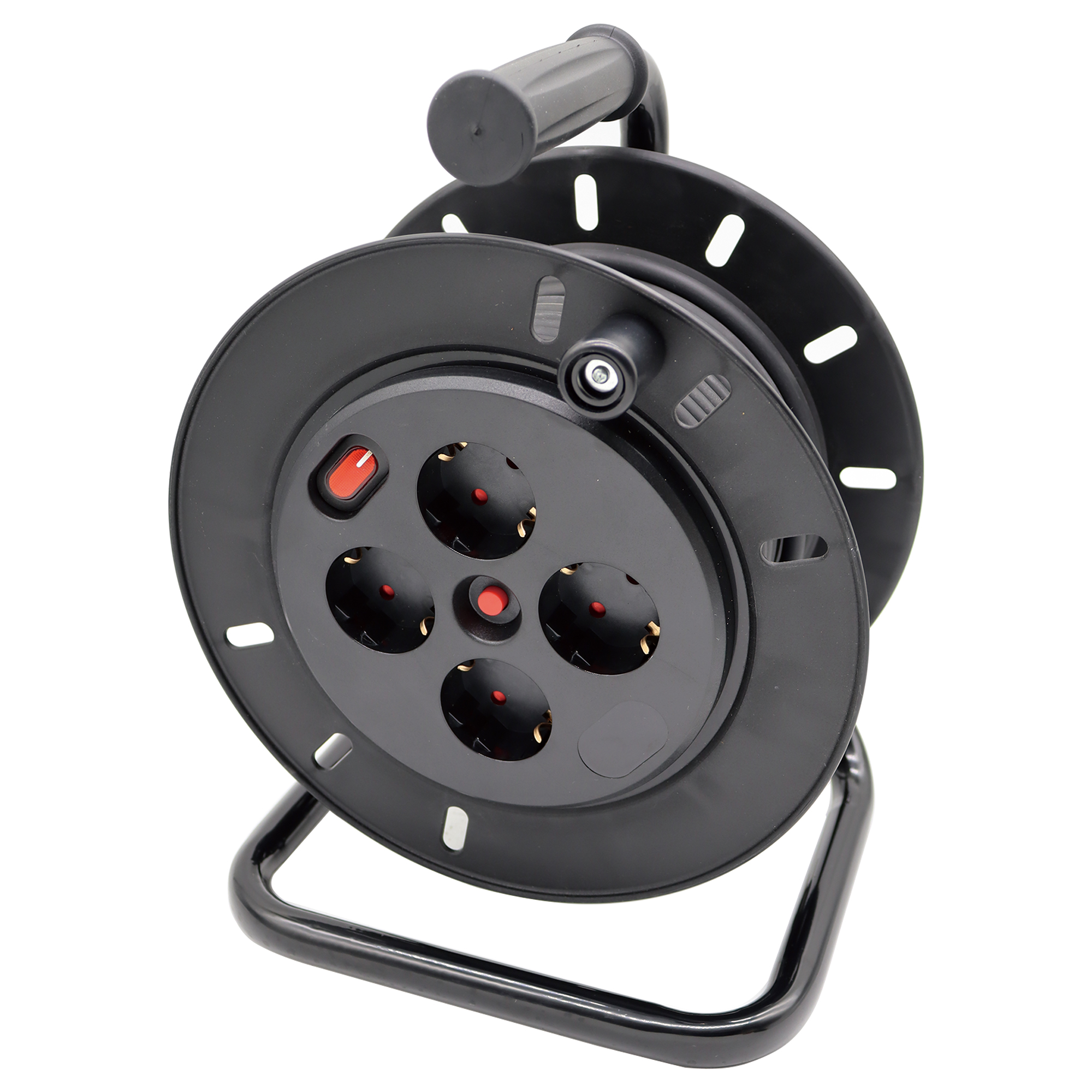
When selecting among the top 10 power cord and cable reel suppliers capable of serving the demanding San Jose marketplace, electrical engineers and supply chain executives examine key technical indicators: vertical manufacturing integration, certification credentials, conductor purity, sheath material stabilization (flame rating, oil resistance, and UV stability), and customization agility. The matrix below outlines how industrial-grade export suppliers compare against typical brokers and generic assembly operations:
| Evaluation Parameter | Enterprise OEM Factory (Lyqen Tech) | Standard Commercial Exporters | San Jose Procurement Impact |
|---|---|---|---|
| Conductor Metallurgy | 99.99% ETP Pure Copper | Recycled Copper or CCA Alloys | Prevents line heating, minimizes IR drop on long runs |
| Safety Certifications | CE, GS, ETL, ISO 9001 (TÜV Onsite Audited) | Self-Declared CE / Fragmentary Test Sheets | Ensures compliance with OSHA, Cal/OSHA & municipal codes |
| Jacket Engineering | V-0 Flame Retardant, H05VV-F / H07RN-F Rubber | Standard Recycled PVC Polymers | Guarantees oil, solvent, and mechanical abrasion resistance |
| Thermal Safeguards | Automatic Bi-Metallic Overload Cut-Off | None or Manual Simple Fuses | Mitigates fire hazard when cords operate while coiled |
| Production Traceability | In-House Extrusion, Molding & Welding | Outsourced Cable Assembly | Total lot traceability from copper ingot to carton seal |
The top tier of power cord exporters serving Northern California must operate automated assembly plants with closed-loop quality feedback systems. At our Jiande Lyqen Technology facility, production encompasses the complete supply chain: raw polymer formulation, high-speed wire extrusion, automated plug pin insertion, ultrasonic and spot welding, and robotic secondary injection molding. This vertical footprint prevents sub-supplier variances that cause micro-arcing, intermittent connectivity, or premature strain-relief failure in demanding mission-critical applications.
From advanced cleanroom validation to high-cycle robotics test tracks, explore how certified power distribution infrastructure operates across major regional industrial sectors.
High-density server farms across North San Jose utilize our custom heavy-duty cable reels and multi-gang PDU assemblies to power continuous 72-hour thermal stress test rigs, executing high-amperage endurance checks with minimal contact resistance.
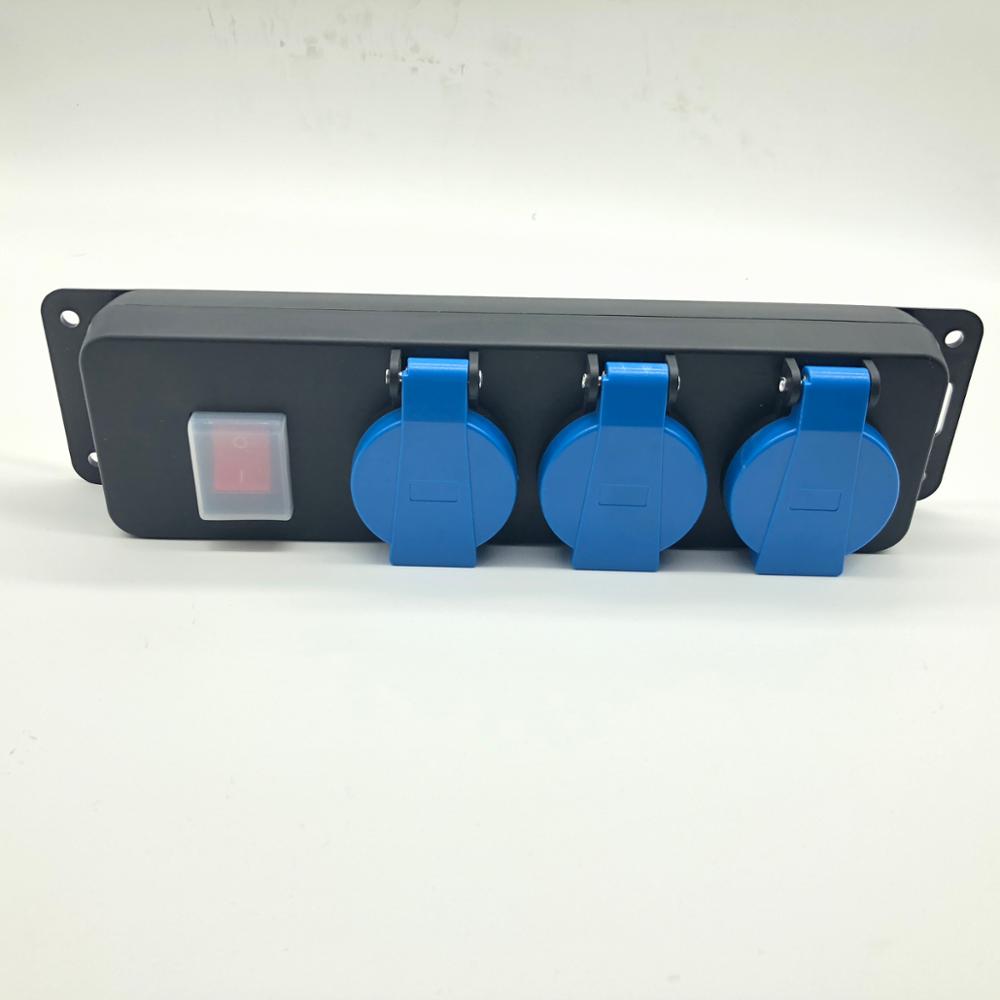
Semiconductor testing environments demand anti-static, zero-halogen, and splash-resistant floor modules. Our luxury swappable pop-up floor waterproof units provide clean power terminations without interrupting sensitive robotic transport systems.
Mobile test teams calibrating automated guided vehicles (AGVs) in industrial parks require 40m to 50m retractable drum reels with integrated overload circuit protection, ensuring reliable field deployment in dynamic environments.
The convergence of generative AI computing clusters, industrial robotics, and California's aggressive decarbonization mandates is reshaping how electrical distribution devices are specified in San Jose:
1. Escalation of Rack Density and Amperage Ceilings: Standard 15A circuits are rapidly giving way to 20A, 30A, and higher capacity power distributions. As machine-learning accelerator cabinets consume up to 40kW to 100kW per enclosure, auxiliary testing cords and power strips must incorporate higher-gauge copper conductors (12 AWG, 10 AWG, and up to 2.5mm²–4.0mm² cross-sections) to maintain safe thermal operating margins during sustained loads.
2. Rapid Integration of GaN and PD 3.1 Type-C Fast-Charging Ports: Modern bench power strips are shifting from purely passive AC outlets to hybrid distribution systems containing active direct-current USB-C Power Delivery modules. Delivering 65W to 140W per port directly from the strip housing reduces converter clutter on R&D benches, but requires isolated internal thermal chambers to prevent component fatigue.
3. Stringent Cal/OSHA & NFPA 70E Fire Retardance Compliance: California building codes and technical cleanroom protocols increasingly require low-smoke zero-halogen (LSZH) jacketing and plastics meeting UL94 V-0 self-extinguishing ratings. Standard PVC cords are being systematically phased out in sensitive test facilities in favor of modified thermoplastic elastomers (TPE) and vulcanized neoprene rubber cords (such as H07RN-F equivalents) that emit no toxic halogen gases in thermal overstress events.
Direct from our 10,000m² manufacturing facility in Zhejiang, China — offering end-to-end quality control and agile OEM/ODM capabilities.
We do not broker components. Across 6 fully integrated production lines, our facility directly executes copper drawing, wire extrusion, polymer compounding, high-pressure injection molding, robotic terminal welding, and automated packing under one roof, guaranteeing full material traceability.
Our company operations are certified to ISO 9001 and have undergone rigorous onsite assessment by TÜV Rheinland. Product lines hold verified CE, GS, and ETL marks, ensuring seamless regulatory clearance for international distributors, OEMs, and retail brands.
Backed by an in-house engineering team of 5 to 10 experienced specialists, we provide custom industrial solutions: personalized plug pin geometries, custom-molded strain reliefs, hybrid NEMA/IEC pinouts, specialized reel drum colors, and rapid private label packaging with low MOQs.
Direct, technical answers addressing minimum order volumes, regulatory certifications, international shipping logistics, and custom engineering parameters.
Whether you require standard CE/GS/ETL extension solutions or custom power assemblies for Silicon Valley technology deployments, our engineering team delivers factory-direct pricing, rapid tooling, and certified quality.
Send an Inquiry