1. The Demanding Electrical Landscape of Stavanger and Rogaland County
Stavanger, recognized internationally as the energy and maritime capital of Norway, imposes some of the most rigorous operational demands on electrical equipment found anywhere in the industrialized world. From offshore installations anchored across the Ekofisk, Johan Sverdrup, and Troll fields to onshore mobilization facilities at Dusavik and Tananger, heavy-duty electrical distribution systems must survive aggressive environmental hostility. In these sectors, an electrical extension cord is never merely an accessory; it is a critical conduit for mission-critical tooling, temporary fabrication power, instrumentation maintenance, and topside logistics.
Supplying electrical infrastructure to Rogaland's marine and energy sectors requires absolute familiarity with Norwegian electrical standards governed by the Norwegian Directorate for Civil Protection (DSB - Direktoratet for samfunnssikkerhet og beredskap) and standard NEK 400 (Electrical Low Voltage Installations). Industrial operators in Tananger and Risavika harbour require extension cords and cable reels that defy severe ambient threats: saline ocean mist causing rapid galvanic degradation, pervasive sub-zero winter temperatures inducing plastic brittleness, mechanical rolling crush loads from forklifts and heavy machinery, and perpetual petroleum-derived hydrocarbon exposure.
Jiande Lyqen Technology Co., Ltd. brings forward over two decades of precision cable manufacturing, vertical extrusion, and ISO 9001 quality-controlled assembly. By engineering customized, ruggedized Schuko (CEE 7/4 and CEE 7/7 hybrid) cords and heavy-duty spools wrapped in heavy-duty crosslinked polychloroprene (H07RN-F) and polyurethane (H07BQ-F) jacketing, Lyqen provides Stavanger procurement directors and electrical supply distributors with uncompromised operational durability and regulatory compliance.
Thermal Cutoff & Heat Dissipation
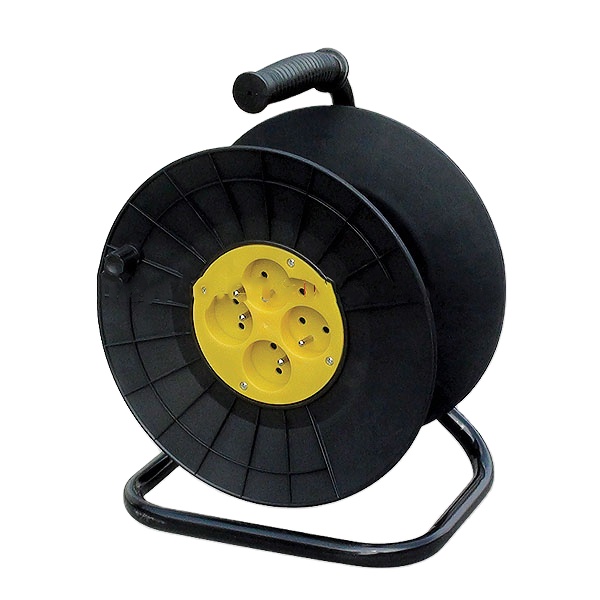
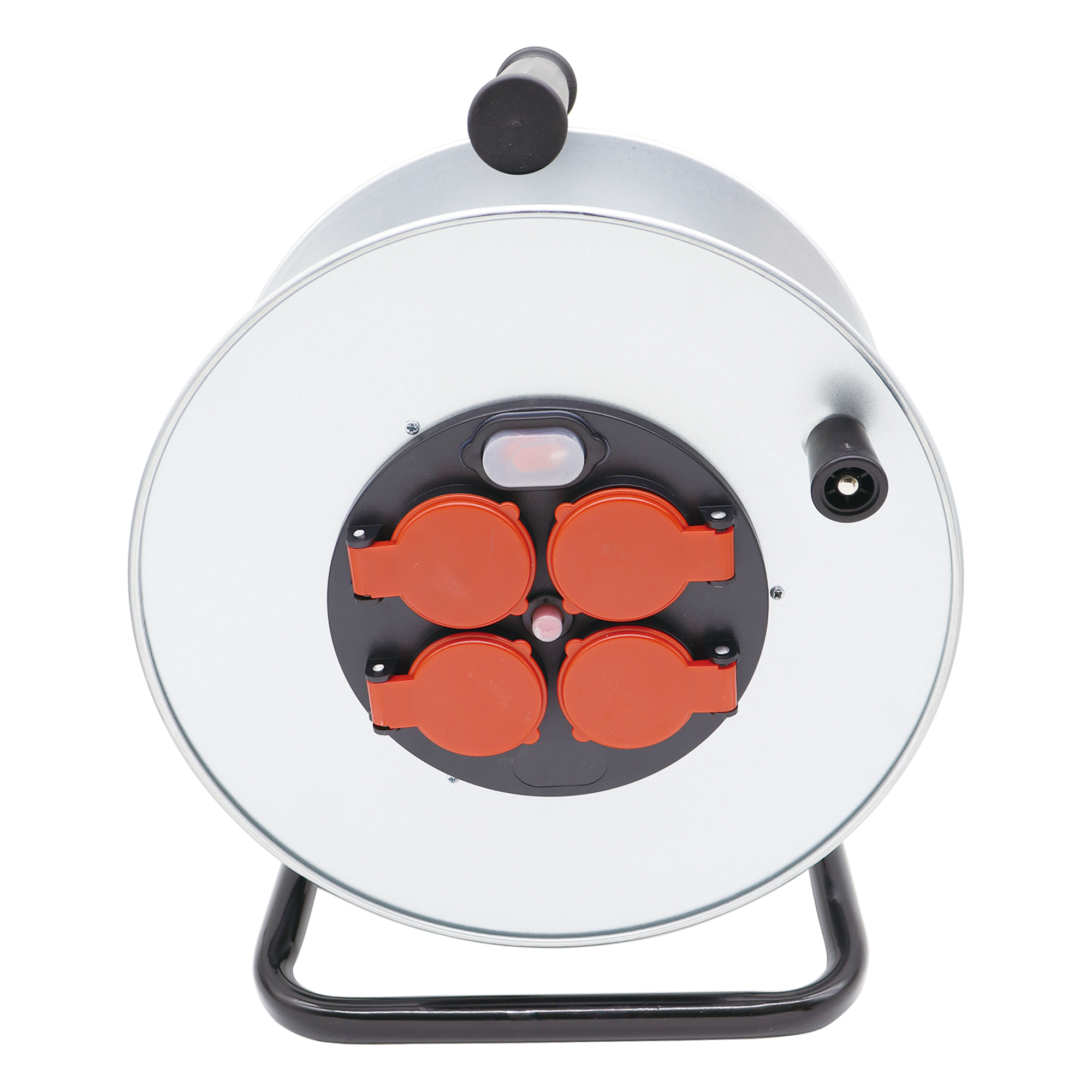
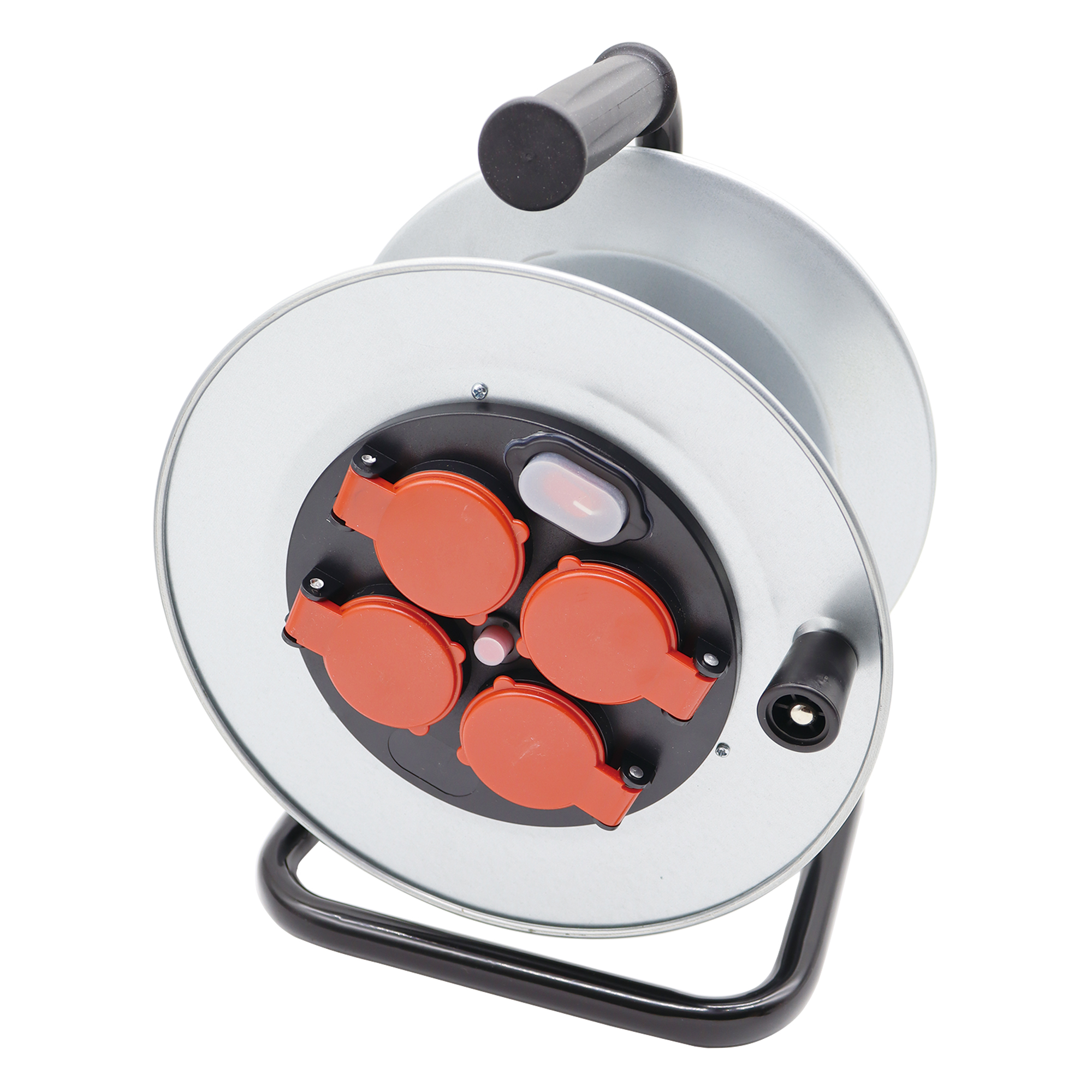
Coiled cable spools present intense inductive and resistive thermal accumulation. Our drum designs feature bi-metallic thermal overload relays calibrated to trip precisely at dangerous inner-core temperature spikes, eliminating catastrophic melting.
Offshore Elastomer Integrity
Utilizing high-purity virgin rubber and elastomeric polymers, our cables resist swell, embrittlement, and cracking when in prolonged contact with drilling lubricants, hydraulic oils, and saline sea spray.
Sub-Zero Cold Bend Elasticity
Standard PVC cords shatter or micro-fracture when handled at temperatures below -5°C. Lyqen's cold-flexible compounding retains continuous elasticity at -35°C to -40°C, exceeding North Sea winter demands.
2. Heavy-Duty Extension Cable Engineering: Chemical & Metallurgical Breakdown
A frequent error made by generic commodity importers is supplying light-duty polyvinyl chloride (PVC) H05VV-F cords into demanding Norwegian shipyard and construction environments. In coastal Norway, DSB directives and job-site safety inspectors mandate the deployment of harmonized industrial rubber-sheathed flexible cables. Understanding the structural differences between elastomer jackets is essential for safety, lifecycle cost optimization, and insurance conformity:
| Cable Classification | Conductor & Insulation Matrix | Jacketing Material | Cold Bend Limit | Suitability for Stavanger Industrial Use |
|---|---|---|---|---|
| H07RN-F (Standard Industrial) | Class 5 pure flexible copper, EPR (Ethylene Propylene Rubber) | Heavy-Duty Polychloroprene (Neoprene) | -25°C (Dynamic) / -40°C (Static) | Primary Choice: Rosenberg Worley shipyards, onshore fabrication, dockside maintenance. Resists oils and weather. |
| H07BQ-F (Severe Duty / Arctic) | Class 5 fine-stranded annealed copper, EPR insulation | Polyurethane (PUR) Outer Sheath | -40°C (Dynamic) / -50°C (Static) | Ultimate Durability: Subsea facility staging, harsh winter outdoor building sites. Unmatched tear and abrasion resistance. |
| H05RR-F (Medium Duty) | Class 5 flexible bare copper, natural rubber | Tough synthetic rubber jacket | -15°C | Commercial & Domestic: Indoor mechanical workshops, light mobile commercial equipment. Not for heavy quayside oil immersion. |
| H05VV-F (Standard Light PVC) | Class 5 standard copper conductor, PVC insulated | Flexible Polyvinyl Chloride (PVC) | -5°C (Prone to cracking) | Unsuitable: High failure rate in Rogaland outdoor winter temperatures. Prohibited on active North Sea industrial work sites. |
At Lyqen Technology, we execute vertical wire extrusion in-house. Conductor cores are constructed exclusively from 99.99% pure oxygen-free copper (OFC). By controlling copper drawing and multi-wire stranding to exact Class 5 standards (IEC 60228), we achieve minimal electrical resistance (Ω/km), preventing the dangerous voltage drops that frequently burn out expensive electric motors, submersible pumps, and heavy inverter welding machines operated at extended distances from shore connections.
3. Specialized Local Application Scenarios Across Rogaland
Heavy-duty power distribution in the greater Stavanger region is characterized by intense application diversity. Our products are engineered to solve localized operational challenges across key sectors:
A. Offshore Supply Bases (Dusavik & Tananger)
Logistics supply bases running 24/7 loading sequences demand power distribution that can withstand heavy mechanical abuse. Forklifts, mobile cranes, and automated pallet transport systems routinely roll over electrical lines laid across dockside concrete. Lyqen's thick-wall H07RN-F cables and heavy-gauge solid steel-tube cable reel frames withstand localized compressive stresses without structural rupture or internal short circuits. In addition, our IP44 and IP67 splash-proof sockets feature self-closing, spring-loaded hinged lids that safeguard live connections from the continuous corrosive spray of high-salinity seawater.
B. Rosenberg Worley Shipyards & Marine Fabrication Hubs
Vessel retrofits, module modifications, and offshore rig dry-dock servicing require massive runs of temporary power. Welding rigs and plasma cutters generate high cyclical amperages that push standard terminal strips beyond their rated thermal capacities. Lyqen integrates heavy phosphor bronze internal busbars—stamped and spot-welded with precision in our facility—rather than thin brass clips. This provides robust contact clamping force, preventing arc erosion, overheating, and dangerous socket weld-failure during sustained 16A continuous draws.
C. Aquaculture, Marine Hatcheries, and Fish Processing Plants
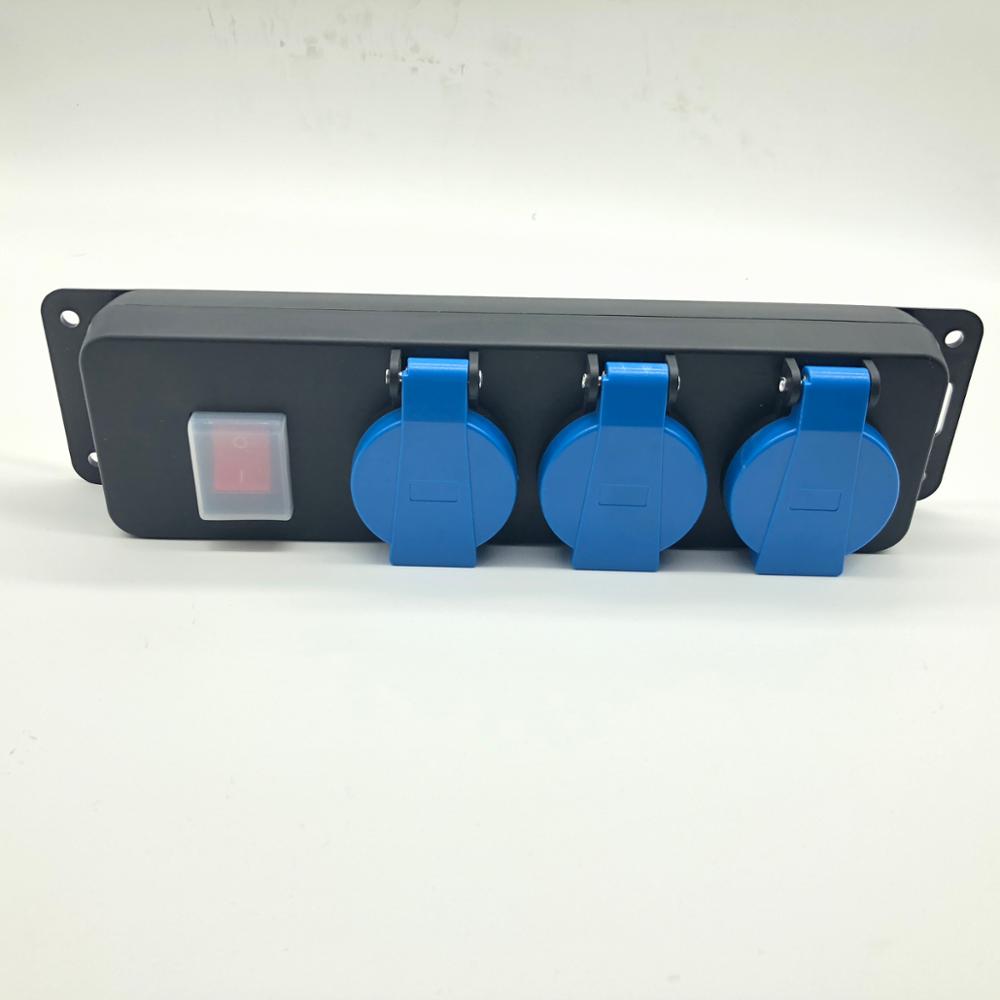
The aquaculture infrastructure lining Rogaland's coastal fjords demands non-stop electrical reliability under near 100% relative humidity. Washdown protocols involving high-pressure hot water and sanitizing chemicals quickly destroy ordinary plastic power strips. Our IP44/IP67 waterproof extension sockets utilize oil- and chemical-resistant silicone sealing gaskets, paired with flame-retardant, high-impact polycarbonate outer housings that withstand biological fat exposure and chemical disinfection.
D. Winter Infrastructure, Tunnel Construction & Highway Development
Norway's massive subsea road tunnels (such as the Ryfast network) and regional civic building projects operate under dark, sub-zero conditions. Visibility and mechanical resilience are paramount. Lyqen manufactures high-visibility safety colored cables (fluorescent orange and signal yellow) with specialized PUR outer jackets that do not snag, kink, or tear when dragged over blasted granite and sharp aggregate.
4. Strategic Trends Transforming Norway's Industrial Cable Procurement
The Norwegian industrial market is experiencing structural procurement shifts driven by strict environmental mandates, safety legislation, and digital supply chain integration. Stavanger enterprise buyers must adapt to several evolving market trends:
1. Transition toward Halogen-Free Flame Retardant (LSZH) Materials: Topside oil and gas engineering guidelines (such as NORSOK standards) and modern building codes heavily prioritize low-smoke zero-halogen cabling. In the event of a fire inside an enclosed vessel or marine utility space, burning halogenated plastics release corrosive hydrogen chloride gas. Lyqen actively supplies specialized crosslinked formulations that generate low optical smoke density and zero acidic emission during combustion.
2. Electrification of Harbor Infrastructure and Shore-Power Linkages: The Port of Stavanger's assertive push toward green shore-to-ship power has expanded demand for auxiliary portable cabling that interfaces high-voltage shoreside systems with secondary vessel support power. Flexible distribution reels with built-in miniature circuit breakers (MCB) and residual-current devices (RCD) allow deckhands to operate portable tools safely without risking shoreside breaker trips.
3. Demand for Integrated Device Diagnostics and USB-C Power Delivery: Modern industrial technicians and maritime survey engineers carry advanced digital diagnostics, ultrasonic testing tools, and ruggedized inspection tablets. Sockets featuring integrated high-wattage USB-C Power Delivery (PD) modules alongside standard 230V Schuko outlets allow immediate charging of essential field instrumentation without requiring clumsy third-party power bricks.
Frequently Asked Questions by Stavanger Industrial Buyers
Critical considerations regarding Norwegian standards, certification veracity, cold-weather resilience, and direct-factory procurement logistics.
? Are your Schuko extension cords and reels fully compliant with Norwegian NEK 400?
Yes. Our European power strips, extension cords, and cable reels conform to CEE 7/4 and hybrid CEE 7/7 standard configurations widely used across Norway. Fully grounded with double earthing contact clips and verified through TÜV Rheinland for CE and GS marks, they satisfy the technical and safety prerequisites defined by DSB and NEK 400.
? Why is thermal overload protection compulsory on coiled cable reels used in Rogaland?
When an extension cord operates while tightly coiled around a drum, the magnetic and resistive heating within the inner cable layers cannot escape. A 16A continuous load through a coiled 40-meter drum can elevate the core temperature past 90°C, leading to cable melting and catastrophic fire. Lyqen integrates calibrated bi-metallic thermal cutoffs that automatically sever power before the thermal tolerance of the cable jacket is compromised.
? How do you ensure the rubber jacket does not split during freezing Norwegian winters?
Our heavy-duty cables undergo rigorous cold-bend and cold-impact laboratory tests at -35°C to -40°C. By utilizing high-grade synthetic elastomers and avoiding cheap mineral fillers or recycled plastics in our extrusion lines, our rubber jackets maintain exceptional elasticity and dynamic bending performance in severe coastal frost.
? What minimum order quantity (MOQ) and lead times apply for custom OEM configurations?
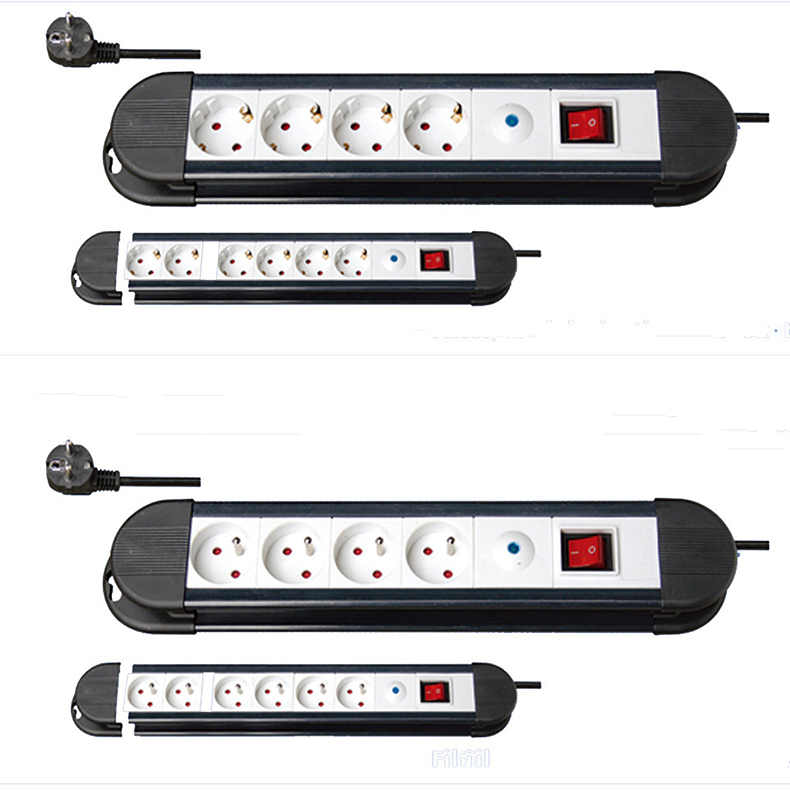
Thanks to our self-contained production ecosystem in Zhejiang—spanning molding, copper extrusion, and cable assembly—our flexible MOQs start from just 100 units for heavy-duty metal cable reels and French/Schuko strips, and 300 to 500 units for customized outdoor waterproof power strips. Standard production lead times are typically 25 to 35 days, with FOB Ningbo/Shanghai delivery or CIF shipments to the Port of Stavanger.
Vertical Manufacturing Control: From Ingot to Sealed Drum
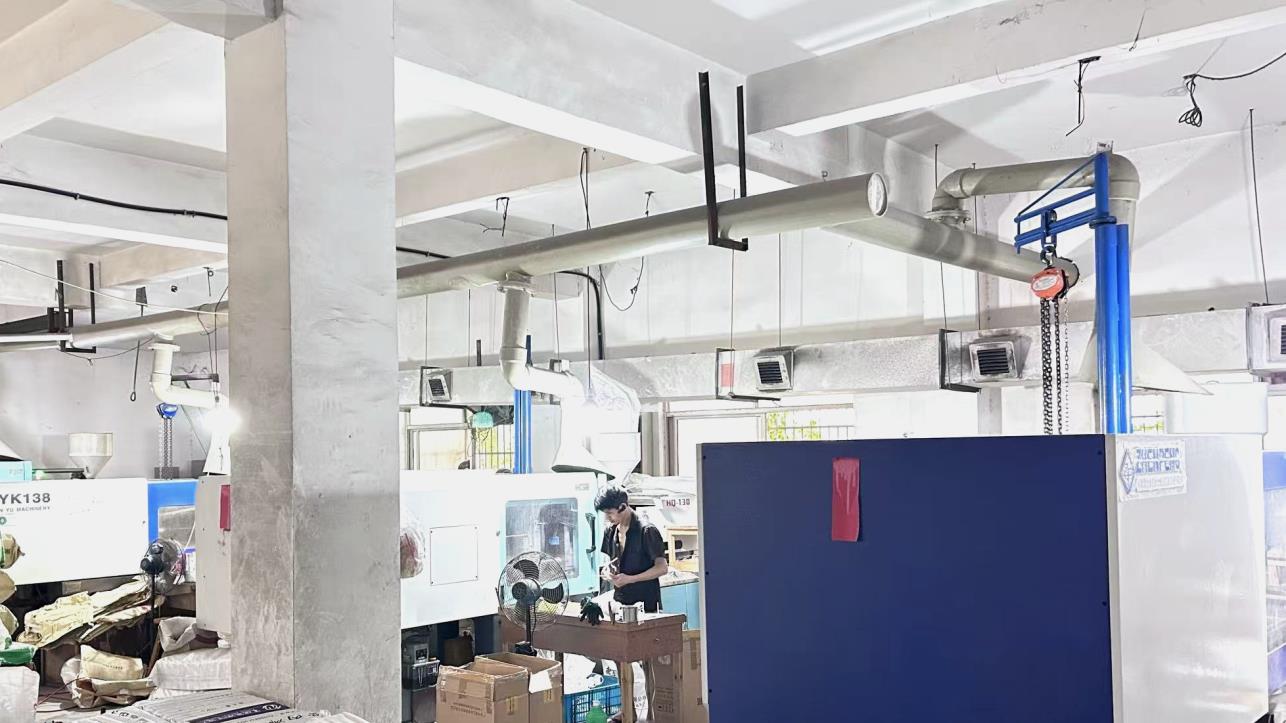
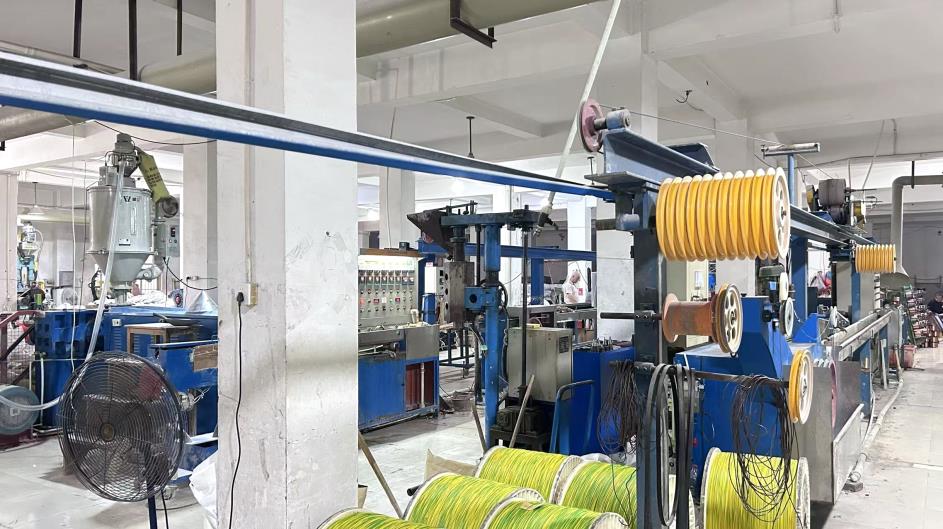
Jiande Lyqen Technology Co., Ltd. (founded 2006, located in Meicheng Town, Jiande, Hangzhou, China) operates a modern 5,000–10,000 m² production complex equipped with 6 automated manufacturing lines. Unlike assembling brokers who outsource cable compounding and plastic parts, Lyqen retains end-to-end control under an ISO 9001 certified quality framework.
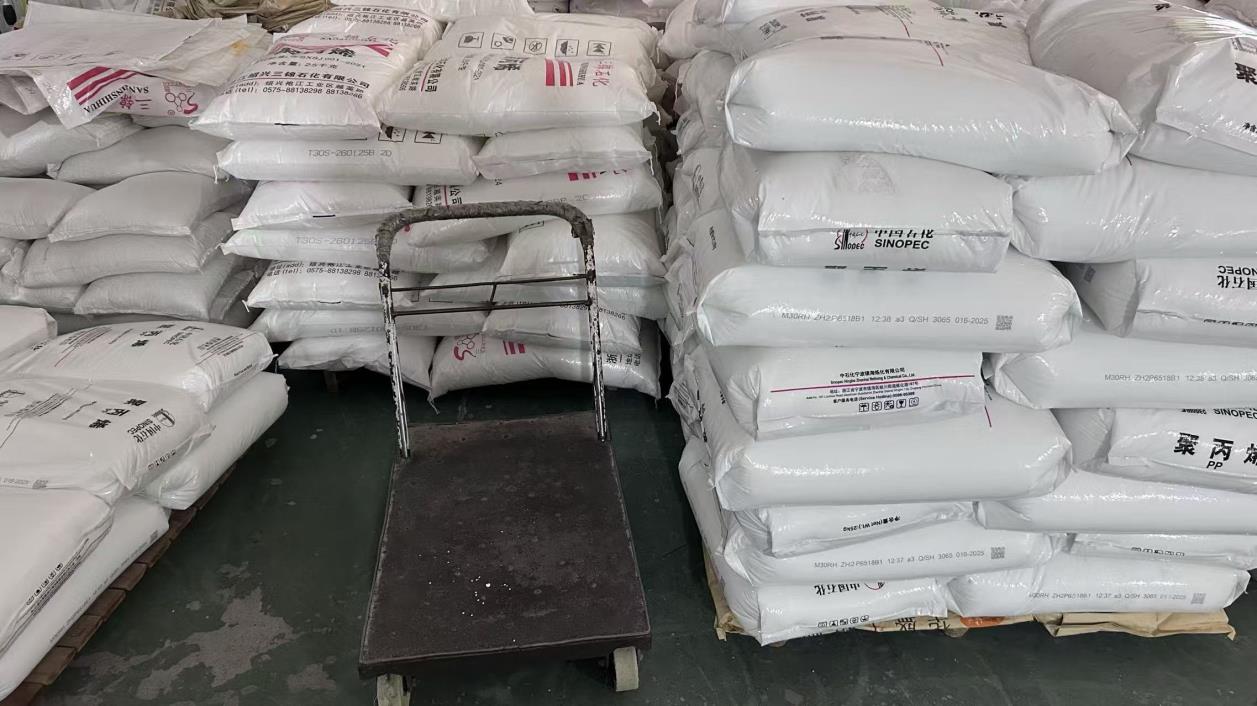
- In-House Plastic Injection & Extrusion: Precision high-tonnage molding machines produce high-impact, fire-retardant socket chassis, spool drum discs, and ergonomic cable clamps.
- Dedicated Wire Extrusion Lines: Pure electrolytic copper is drawn, stranded, annealed, and jacketed with custom-compounded elastomers to exact metric tolerances.
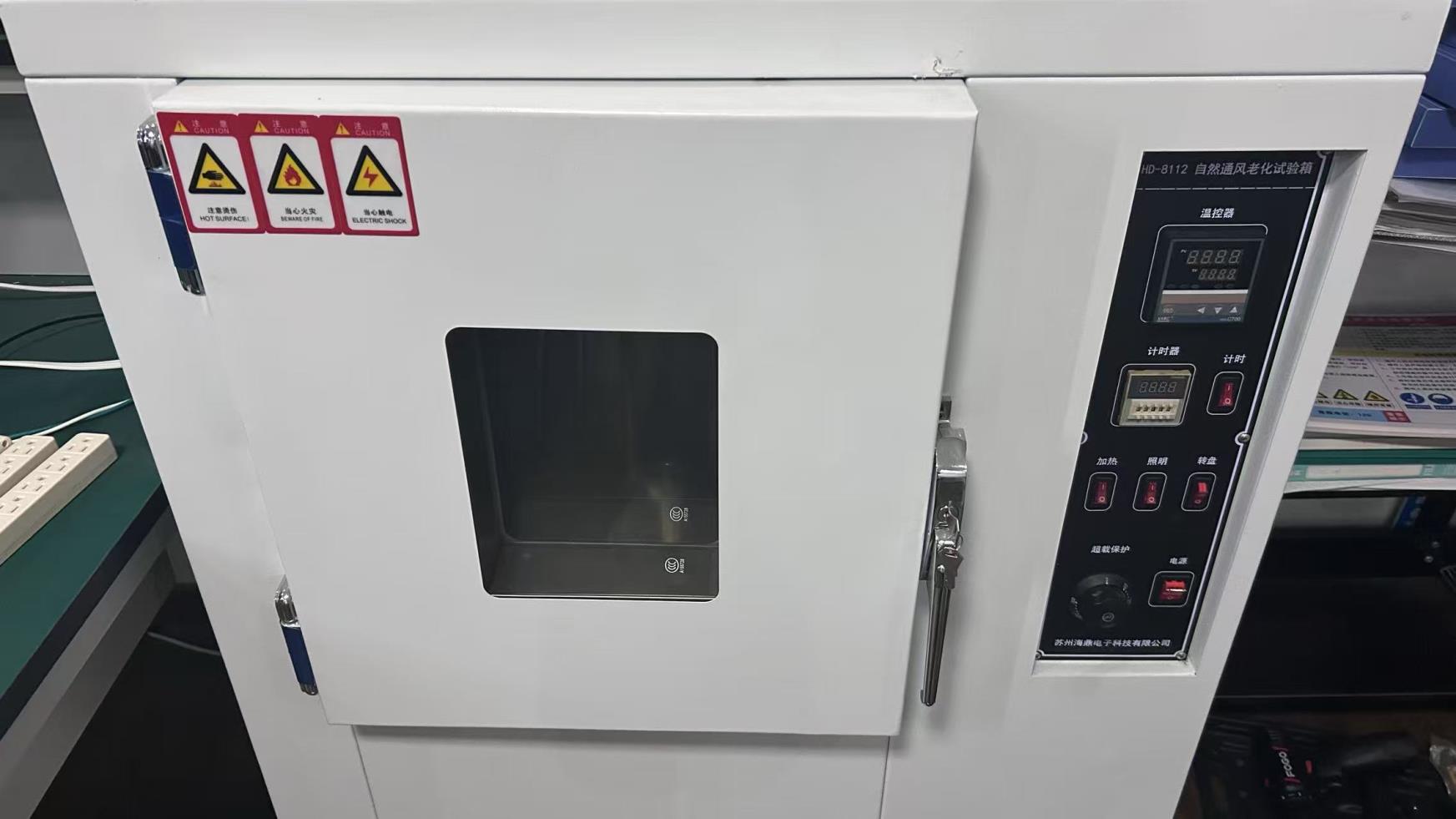
- Comprehensive Testing Laboratory: Every production batch undergoes thermal load testing, aging chamber stress, cable tension pull tests, and optical dimension checks via electronic projectors.
- Audited Integrity: Onsite assessed and verified by TÜV Rheinland, ensuring verified export documentation and trustworthy supply-chain tracing.
5. Conductor Sizing & Voltage Drop Engineering Calculations
When running temporary heavy machinery, induction pumps, or subsea testing gear across extended distances from a quay power tap, excessive voltage drop can destroy induction motors due to overcurrent draw. Norwegian electrical standards strongly advise limiting voltage drops across flexible temporary extensions to less than 4% under full continuous design load.
The standard single-phase formula for calculating voltage drop (ΔV) across a flexible copper cable is defined as:
Where:
• I = Operational Current in Amperes (A)
• L = One-way length of the cable in meters (m)
• ρ = Resistivity of annealed copper (~0.0175 Ω·mm²/m at 20°C)
• A = Cross-sectional area of the conductor in square millimeters (mm²)
Consider a 16A continuous industrial welding rig running across a 40-meter extension reel on a 230V line:
• Using undersized 1.5 mm² cable: ΔV = 2 × 16 × 40 × (0.0175 / 1.5) ≈ 14.93 Volts (a 6.49% voltage drop!). This dramatic drop exceeds safe limits, leading to welding arc instability and destructive heat buildup inside the reel drum.
• Using Lyqen's Heavy-Duty 2.5 mm² cable: ΔV = 2 × 16 × 40 × (0.0175 / 2.5) ≈ 8.96 Volts (a 3.89% voltage drop), keeping the operational circuit safely within compliant European and NEK 400 design parameters.
This is why Jiande Lyqen Technology provides transparent technical documentation for all cable cross-sections (1.5mm², 2.5mm², and 4.0mm²), giving Norwegian electrical contractors total confidence during high-power deployments.