Featured Industrial & Commercial Power Strip Solutions
Explore heavy-duty, surge-protected, and retractable cable distribution assemblies engineered to exceed the rigorous safety benchmarks demanded by engineering contractors and distributors across Myanmar.
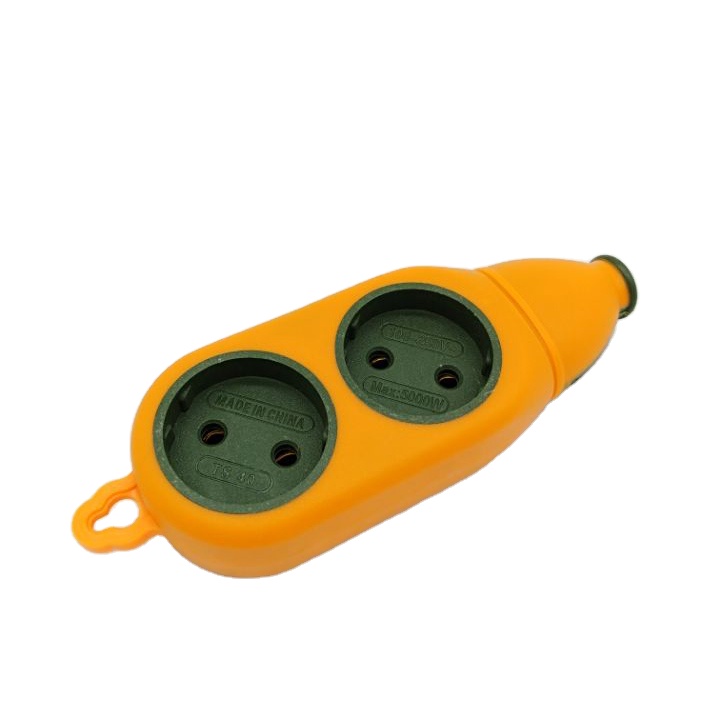
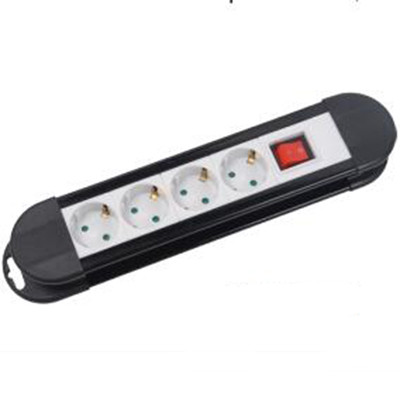
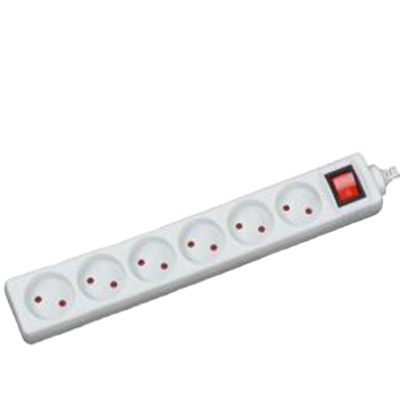
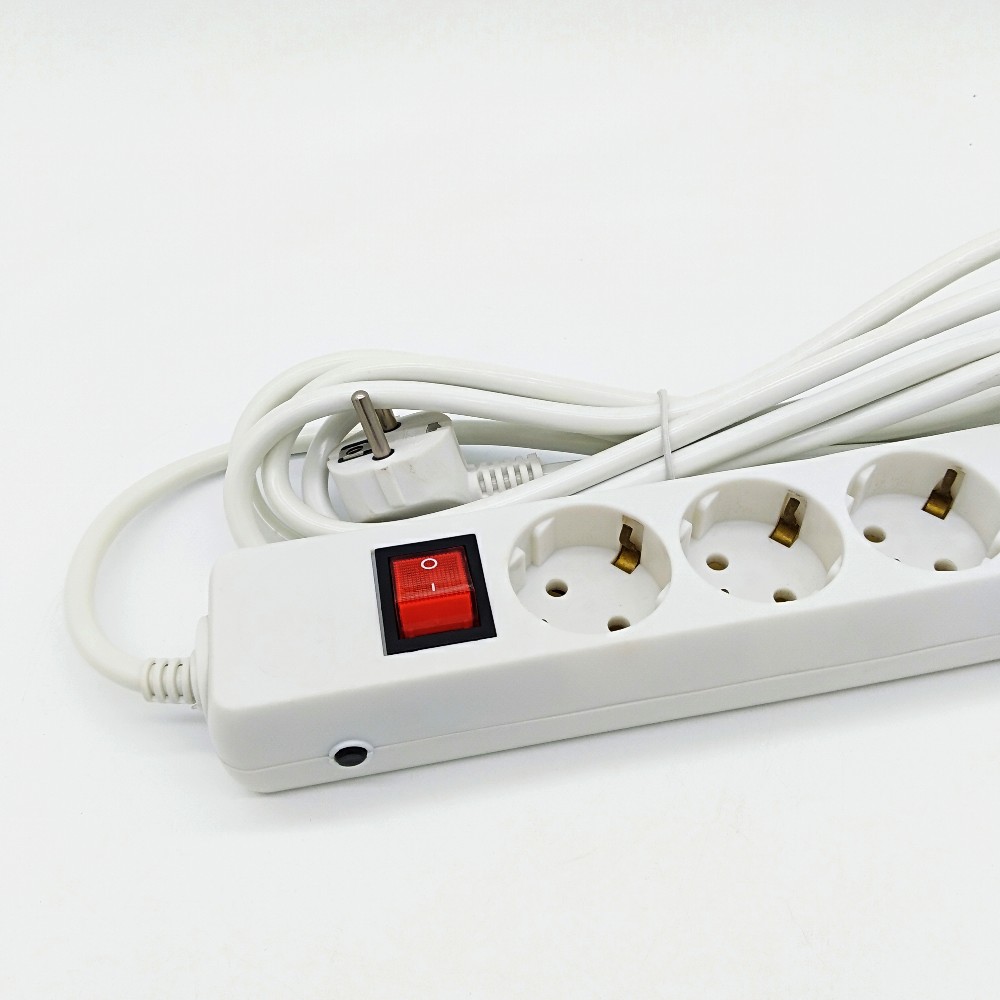
Comprehensive Analysis: Sourcing High-Spec Power Strips in Myanmar
The electrical infrastructure landscape across Myanmar—from Yangon's dense industrial corridors in Hlaing Tharyar and Mingaladon to expanding infrastructure projects across Mandalay—presents one of the most uniquely demanding operating environments for power distribution equipment in Southeast Asia. Operating engineers, infrastructure contractors, and institutional importers frequently face acute operational hazards: relentless seasonal humidity, pervasive dust contamination during dry periods, erratic voltage fluctuations, frequent brownouts, and destructive high-energy surges caused by unstable transmission lines and transient lightning strikes.
In this challenging context, standard commercial grade power strips built for stable Western municipal grids fail prematurely. To ensure business continuity and asset safety, engineering buyers are seeking out dedicated manufacturing facilities capable of producing ruggedized, dual-standard electrical products. Understanding the architectural requirements of Myanmar’s distribution nodes is fundamental to formulating an effective B2B procurement strategy.
1. Navigating Hybrid Topology: US NEMA Standards vs. Regional Infrastructure
Myanmar features a hybrid electrical landscape. While the national transmission standard operates at nominal 220V–240V at 50Hz, decades of diverse international equipment imports have created widespread demand for US-style NEMA configurations alongside British BS 1363 (Type G), European CEE 7/4 (Schuko), and Euro-American universal interfaces. Multinationals, telecom operators, data backhauls, and light manufacturing plants frequently deploy imported machinery configured with US NEMA 5-15, NEMA 5-20, or specialized locking plugs. However, connecting standard 120V US power strips into Myanmar’s 230V infrastructure without stepped voltage protection leads to catastrophic dielectric breakdown and catastrophic electrical fires.
Consequently, forward-looking manufacturers provide dual-voltage (100V–250V rated) power strips built with US NEMA interfaces, reinforced with pure electrolytic copper busbars capable of sustaining continuous currents without resistive heat spikes. This allows operators to seamlessly power server racks, industrial testing rigs, medical diagnostic consoles, and production equipment while utilizing physical US plug geometries safely grounded on local 230V circuits.
2. Critical Protection: Addressing Grid Voltage Instability and Surges
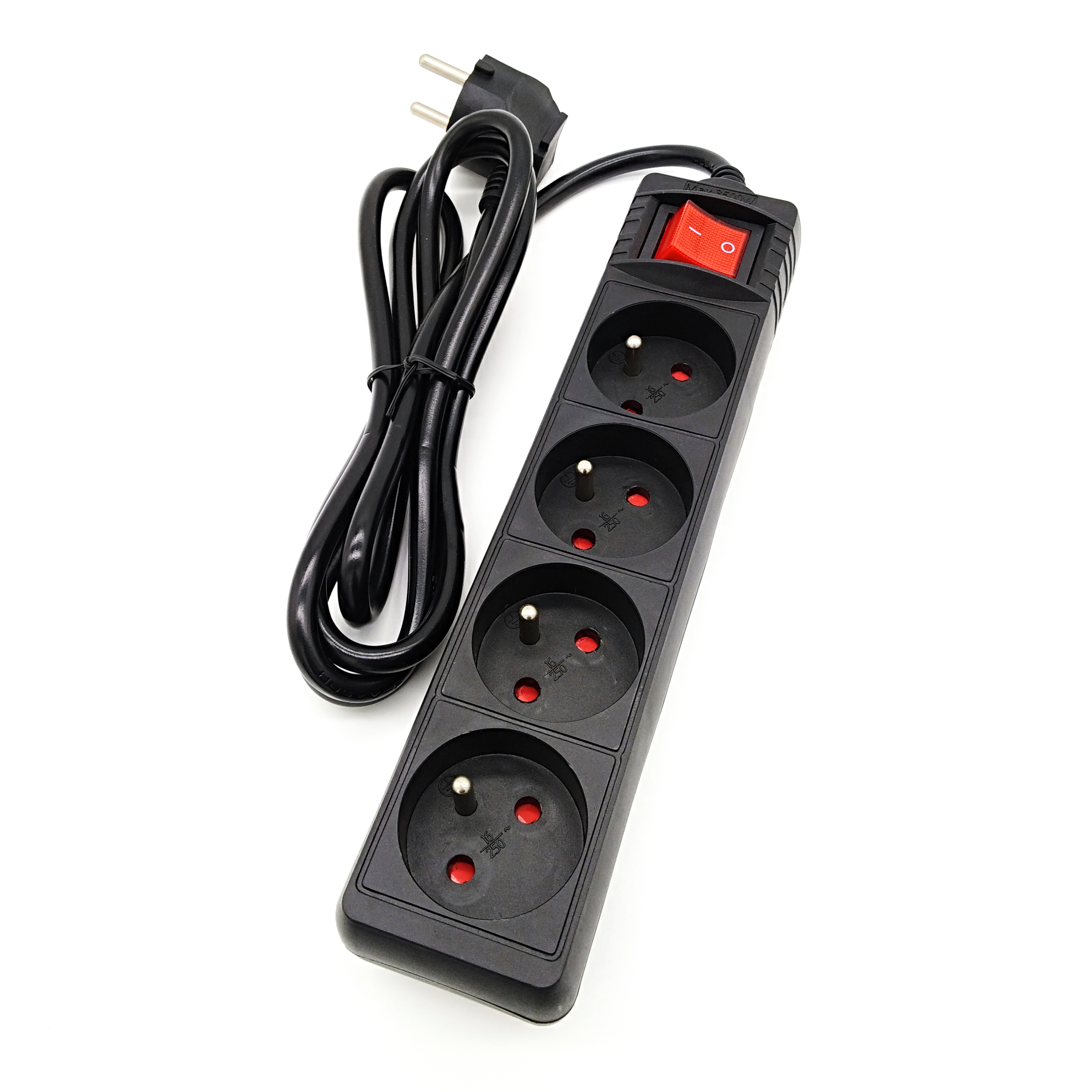
Grid instability in Myanmar poses severe operational liabilities. Secondary substations and backup diesel generator transfer switches frequently subject downstream equipment to severe overvoltages, inductive switching spikes, and frequency drifting. Commercial power distribution units (PDUs) and workshop extension outlets must feature industrial-grade multi-stage Metal Oxide Varistors (MOVs) paired with thermal cutoffs capable of absorbing energy spikes ranging from 1,050 to over 3,000 Joules. Without dedicated MOV surge suppression and flame-retardant housings (UL94 V-0 standard rating), connected IT assets and sensitive automation units remain vulnerable to catastrophic loss.
3. Material Metallurgy and Thermal Performance in Tropical Climes
Under continuous high ambient temperatures (regularly exceeding 40°C in lower Myanmar) combined with 90%+ relative humidity during the monsoon season, low-cost power strips utilizing brass alloy strips or iron-stamped pins suffer accelerated galvanic corrosion, rapid contact fatigue, and arcing. Jiande Lyqen Technology addresses these issues through strict metallurgical control: utilizing phosphor bronze (CuSn6.5) stamping parts that retain elastic clamping tension across 10,000+ insertion cycles, and heavy-gauge oxygen-free copper cabling (H05VV-F / H07RN-F rated) that prevents excessive I²R resistance losses across long factory runs.
Engineering Applications Across Key Myanmar Sectors
Lyqen power distribution solutions are custom-engineered for maximum performance under extreme regional operating parameters, serving industrial, telecom, and infrastructural applications.
Garment & Light Manufacturing Facilities
In the intensive industrial zones of Hlaing Tharyar, sewing lines, computerized cutting tables, and testing bays require rugged, breaking-proof power strips that resist heavy physical impacts, shop-floor vibrations, and non-stop operational duty cycles.
Telecom Base Stations & Off-Grid Sites
Remote telecommunication shelters operating off hybrid solar-diesel systems require surge-protected PDU power strips with wide-voltage tolerance (100V–250V) to safeguard sensitive microcontrollers, edge routers, and radio transceivers from back-EMF surges.
Civil Construction & Outdoor Projects
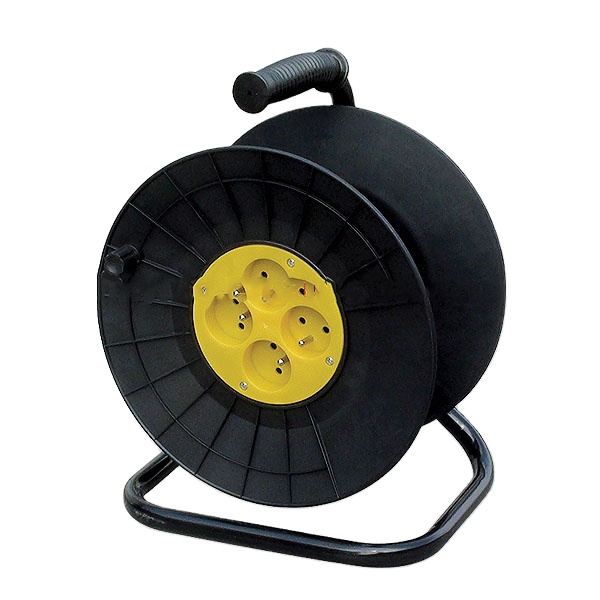
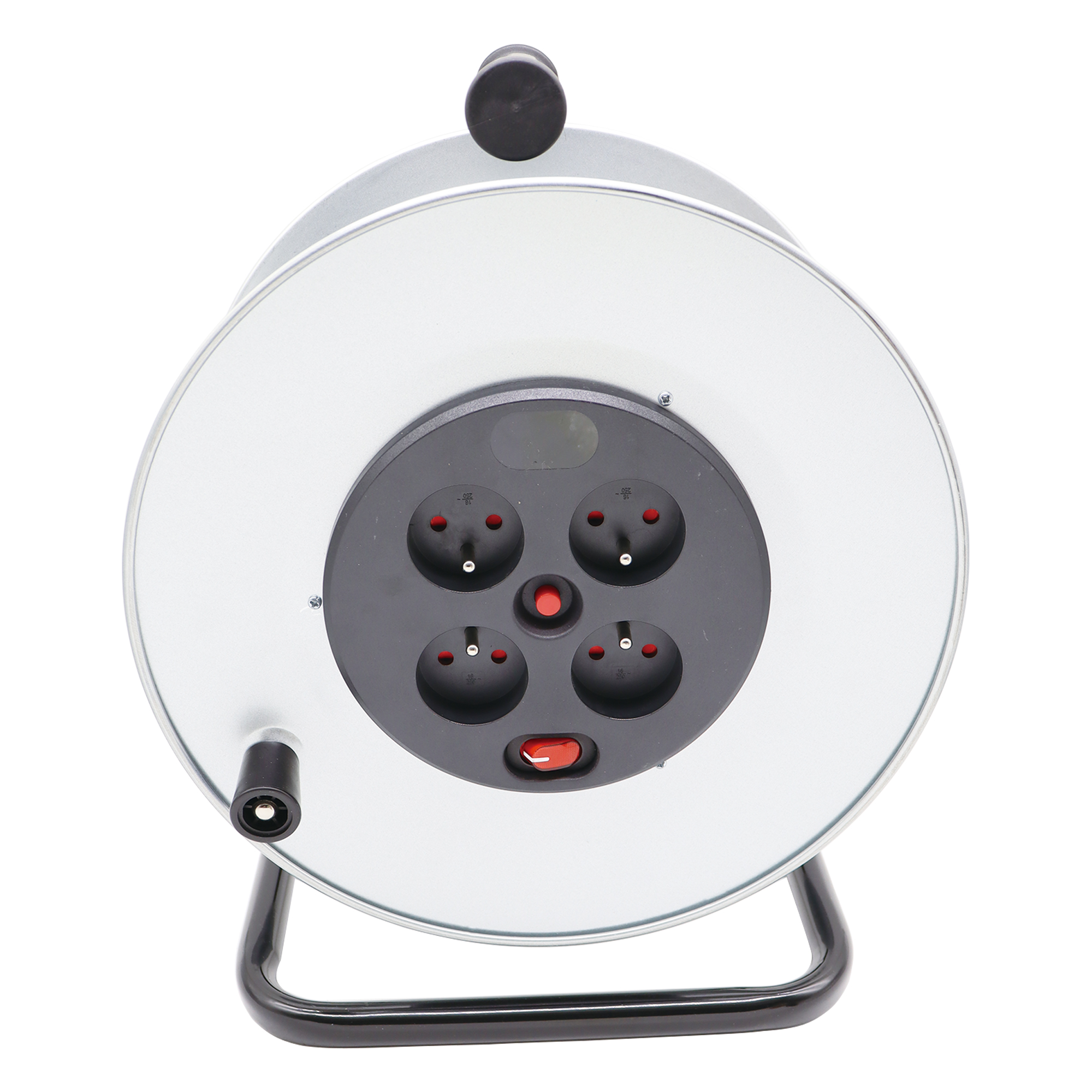
Infrastructure construction demands high IP ratings. Our IP44 waterproof cable reels and splash-proof socket strips equipped with self-closing spring lids withstand heavy rain, mud splashes, and high-abrasion outdoor environments without tripping or ground faults.
Macro Trends: The Evolution of Power Infrastructure in Myanmar
As Myanmar’s urban centers modernize and foreign manufacturing investments continue to scale, the procurement profile for power distribution hardware is undergoing a structural shift. Three distinct market catalysts are reshaping B2B demand across the region:
1. Replacement of Unregulated Gray-Market Electrical Hardware
For decades, regional markets were saturated with uncertified, sub-standard extension cords featuring copper-clad aluminum (CCA) wiring, thin PVC jackets, and hollow brass contacts. Recurring industrial fires and substantial capital losses have driven regulatory bodies, enterprise safety managers, and engineering consultancies to mandate certified hardware carrying verified CE, GS, or ETL marks, with verified flame-retardant enclosures compliant with IEC 60884-1 and UL 1363 test standards.
2. The Surge of High-Density USB-C Power Delivery Integration
In modern commercial settings, co-working facilities, and operations dispatch centers across Yangon and Naypyidaw, enterprise users require direct DC charging for enterprise laptops, mobile data terminals, and diagnostic equipment. Commercial power strips incorporating GaN (Gallium Nitride) smart IC fast-charging modules with USB Type-C Power Delivery (PD 20W–65W) minimize the clutter of bulky external transformers while enhancing power efficiency and eliminating thermal build-up inside tight server racks.
3. Decentralized Microgrids and Solar Inverter Compatibility
Given frequent grid outages, commercial establishments increasingly depend on rooftop photovoltaic systems and lithium-ion energy storage systems (ESS). Switching transitions between off-grid inverter power and grid feeds create high total harmonic distortion (THD) and phase misalignments. High-grade industrial power strips engineered with robust electromagnetic interference (EMI/RFI) noise filtration ensure that connected high-precision instruments and laboratory hardware operate without signal degradation or data corruption.
Why Partner with Jiande Lyqen Technology?
Direct manufacturing transparency, vertical component integration, and international regulatory credentials establish Lyqen as the preferred OEM/ODM partner for major importers and EPC contractors.
End-to-End Vertical Manufacturing
Operating a 10,000 m² facility with 6 modern production lines, Lyqen executes all core operations in-house: virgin resin injection molding, continuous wire drawing and copper extrusion, automated plug molding, spot-welding, and complete assembly. This eliminates intermediate trading markups, ensures 100% material traceability, and shortens procurement lead times for global B2B clients.
Rigorous In-House Testing Laboratory
Every Lyqen production run undergoes stringent quality audits assessed under ISO 9001 and verified on-site by TÜV Rheinland. Our internal testing capabilities include continuous load temperature-rise chambers, mechanical cable pull tension testers, dielectric breakdown withstand rigs, and thermal aging chambers—ensuring every unit delivers failsafe performance in harsh Southeast Asian climates.
Frequently Asked Questions by Regional Importers
Critical considerations regarding plug interfaces, voltage specifications, certification requirements, and minimum order terms for electrical sourcing in Myanmar.
Source Direct from a Verified Industrial Power Strip Manufacturer
Whether you require custom dual-voltage US NEMA power distribution units, heavy-duty IP44 cable reels, or tender-compliant surge protection strips, our engineering and export team is ready to review your exact specifications and provide detailed technical documentation and competitive wholesale quotations.
Send an Inquiry