Institutional Engineering Brief • CE / GS / ETL Quality Standard
US Power Strip Manufacturers & Manufacturer for the Vatican City Market
Bridging North American NEMA 5-15/5-20 topologies and Italian/European CEI 23-50 & CEE 7/7 Schuko power ecosystems within the sovereign territory of the Holy See.
Precision Hardware Portfolio
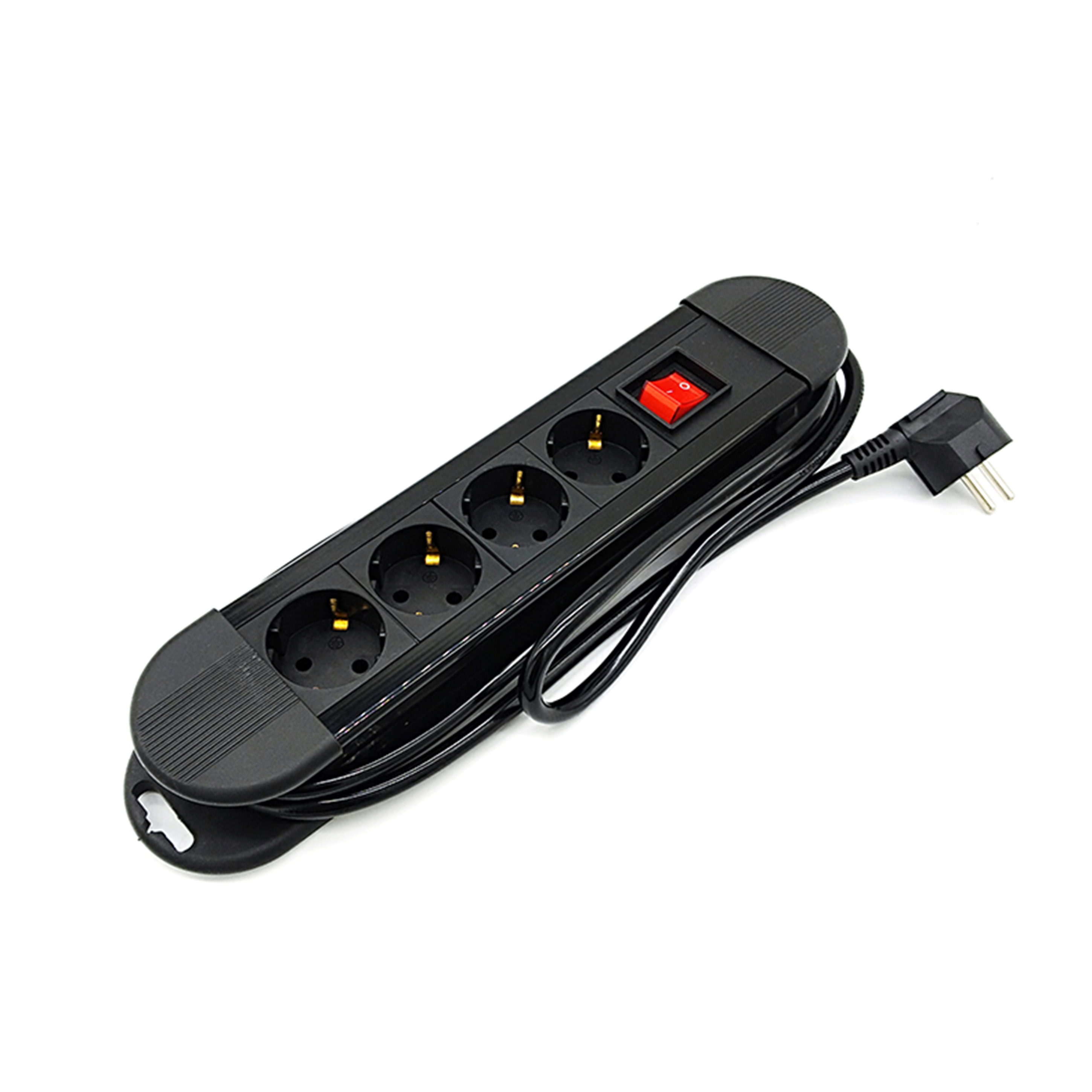
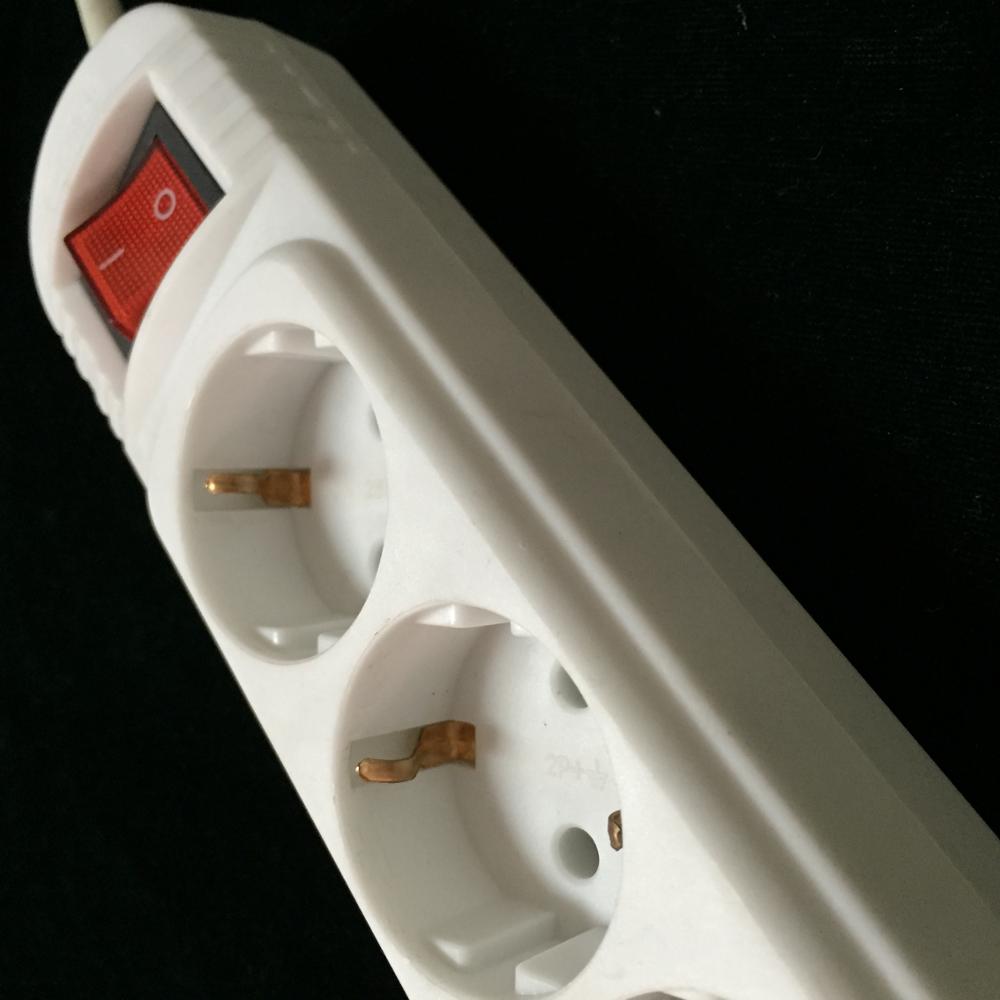
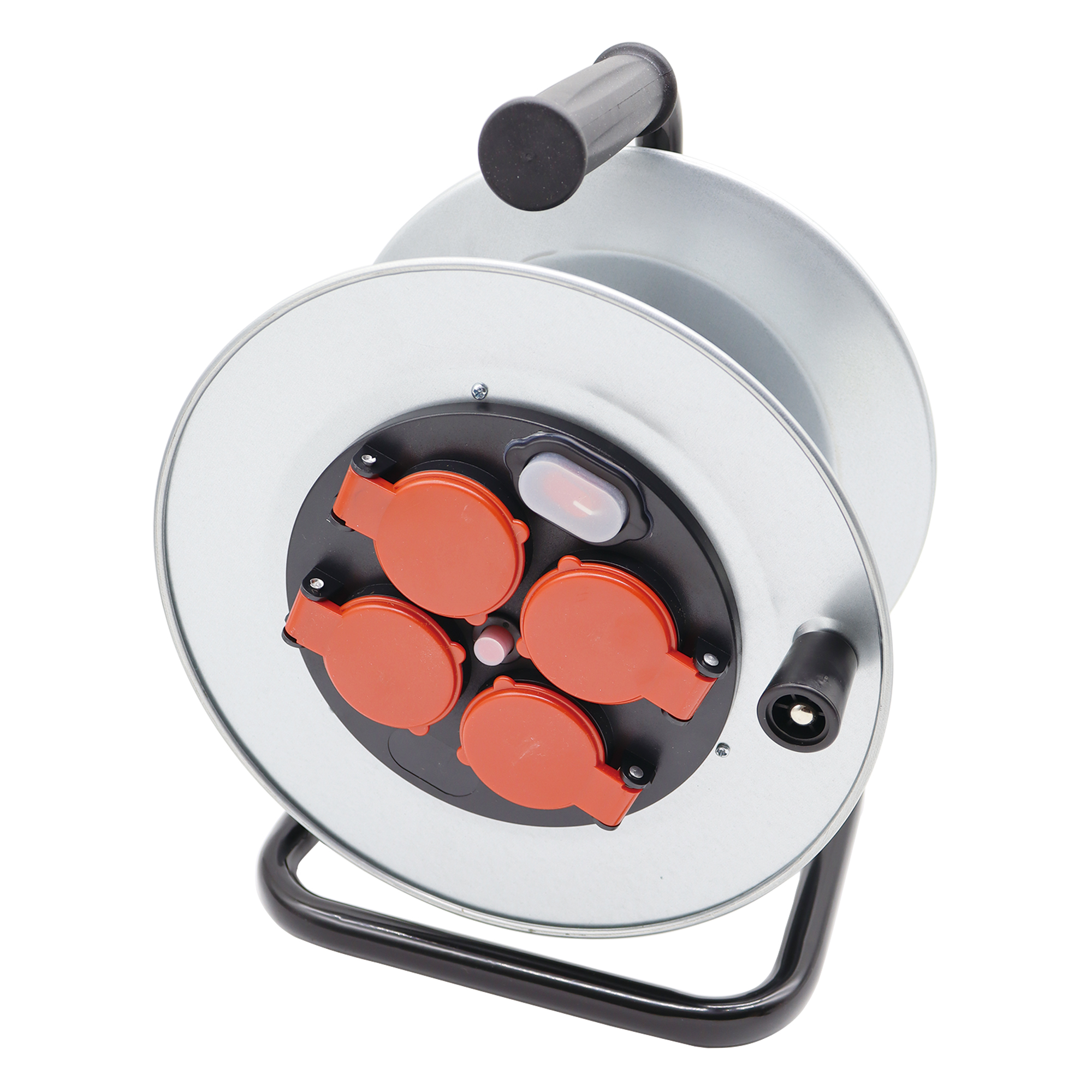
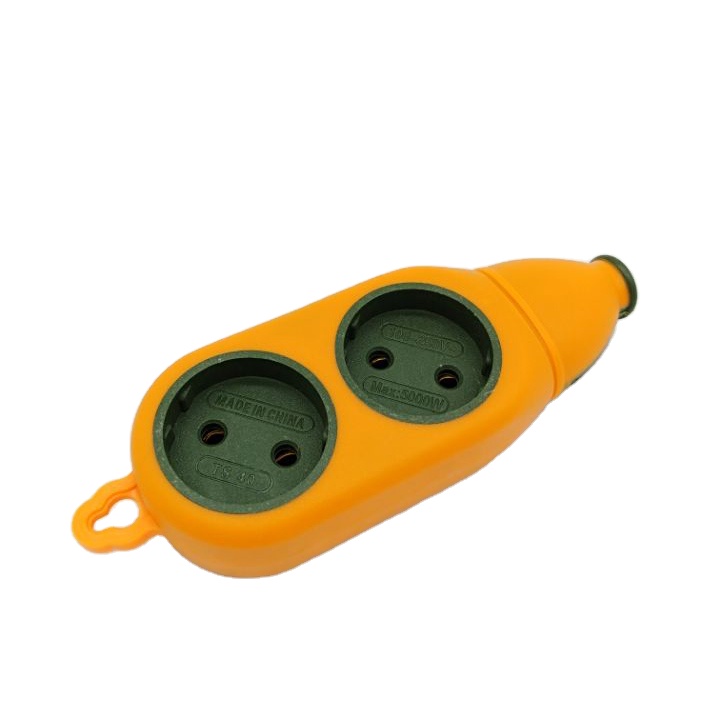
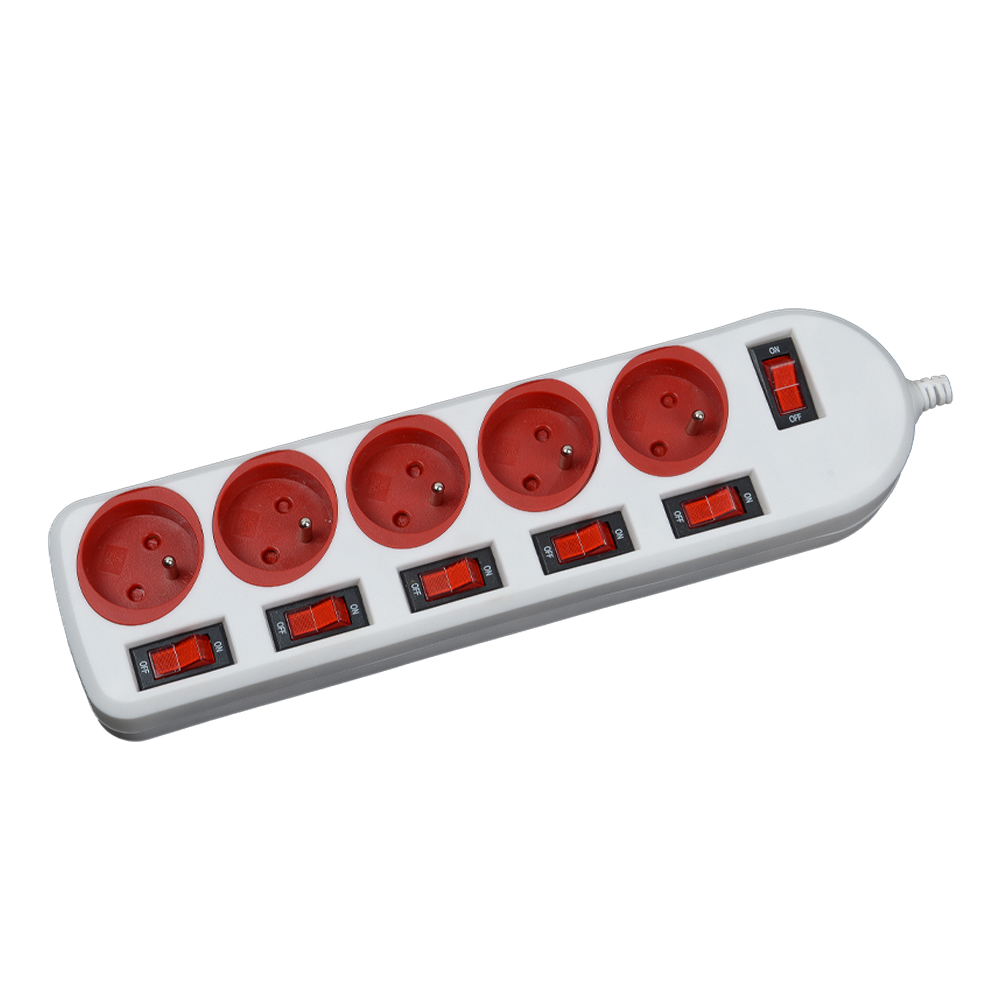
Featured Power Distribution Units & Cable Reels
Engineered by Jiande Lyqen Technology Co., Ltd. for cross-jurisdictional reliability, architectural integration, and demanding institutional loads across European and international installations.
Technical Authority • Sovereign Market Procurement
Navigating Electrical Engineering & Power Architecture in the Vatican City State
Procuring electrical distribution gear, portable power strips, and extension systems for use within the Vatican City State (Stato della Città del Vaticano) presents a unique convergence of technical standards. As a sovereign enclave surrounded entirely by Rome, Italy, Vatican City operates on an electrical infrastructure tightly aligned with Italian and European CENELEC frameworks—primarily 230V alternating current at 50Hz. However, the international character of the Holy See, which hosts diplomatic missions, bilateral commissions with the United States, global broadcasting studios (Vatican Media), scientific institutions (Specola Vaticana), and worldwide ecclesiastical delegations, creates an persistent need for US power strip manufacturers and customized international OEM electrical suppliers.
Critical Architectural Reality: In centuries-old structures such as the Apostolic Palace, the Belvedere Courtyard, and archival vaults dating back hundreds of years, modifying internal masonry to insert extra wall sockets is strictly prohibited by monumental heritage authorities. Surface-deployed, high-specification power strips and heavy-duty cable reels are therefore the primary lifeline for modern electronic connectivity throughout the enclave.
1. Socket Topology Convergence: Type L (CEI 23-50), Schuko (CEE 7/7), and US NEMA Compatibility
The core socket standard across the Vatican’s administrative offices, pontifical apartments, and institutional back-offices is rooted in the Italian CEI 23-50 standard (Type L). This standard historically comprises two variants: the 10-ampere light-duty version (with 4mm pins spaced 19mm apart) and the 16-ampere industrial/heavy-duty version (with 5mm pins spaced 26mm apart). Modern commercial building infrastructure throughout the city utilizes "Bipasso" (dual-gauge) and "Schuko-bipasso" hybrid sockets capable of receiving both Type L and Type F (Schuko CEE 7/4 or hybrid CEE 7/7) plugs.
When delegations, international press bureaus, and technical production crews deploy American electronics rated for US NEMA 5-15 (125V / 15A) or NEMA 5-20 topologies, severe hazards arise if equipment is connected through passive mechanical adapters without verified galvanic separation or appropriate dual-voltage tolerance (100–240V). Specialized US power strip manufacturers catering to the European institutional market must engineer products that feature dual-pole disconnection, integrated step-down conversion modules, or hybrid PDU architecture with active surge suppression rated for 250V working conditions while delivering stabilized power outputs to American format plugs.
Grid / Socket Standard
Nominal Voltage & Frequency
Safety Shutter Mandate
Earthing Topology
Vatican City Application Context
Italian Type L (Bipasso)
230V AC • 50 Hz
Mandatory (CEI 23-50)
Center Earth Pin (In-line)
General administrative offices, Vatican post offices, residential Swiss Guard quarters.
Schuko Type F (CEE 7/7)
230V AC • 50 Hz
Mandatory (IEC 60884-1)
Dual Side Ground Clips
Heavy appliances, IT server racks, Vatican Printing Press, air handling equipment.
US NEMA 5-15 / 5-20R
120V AC • 60 Hz (Native)
UL 1363 / NEC Compliant
Dedicated Round Pin
US Embassy to the Holy See, Vatican Observatory technical servers, visiting US broadcast networks.
French Type E (CEE 7/5)
230V AC • 50 Hz
Mandatory (NF C 61-314)
Protruding Male Earth Pin
Francophone dicasteries, diplomatic residences, cross-border European delegation centers.
2. High-Density Applications in Vatican Micro-Environments
Every sector of the world’s smallest independent state demands tailored power distribution engineering. The rigorous specifications required for each micro-environment include:
Vatican Secret Archives & Library
Archival restoration laboratories utilize laser de-acidification, multispectral imaging, and micro-climate control. Power hardware must use Halogen-Free Flame Retardant (HFFR/LSZH) polymer enclosures that emit zero corrosive gases in the event of thermal faults.
Dicastery for Communication & Studios
Vatican Media broadcasts papal ceremonies to hundreds of millions worldwide. Extension cords and power distribution units require RF/EMI shielded filtering to eliminate ground hum and harmonic distortion on 4K/UHD broadcast feeds.
St. Peter's Square & Basilic Liturgies
Outdoor liturgical celebrations require IP44 and IP54 splash-proof power strips and heavy-duty retractable cable drums resistant to morning dew, rain, mechanical foot traffic, and rapid assembly/disassembly cycles.
In alignment with the papal encyclical Laudato si', the Governorate of the Vatican City State has instituted aggressive sustainability protocols. These encompass the widespread installation of solar photovoltaic arrays (such as the Paul VI Audience Hall solar roof) and strict mandates to eradicate stand-by electrical consumption throughout all government offices.
This environmental mandate has driven procurement toward multi-switch power strips—such as our independently controlled 4-way and 6-way units—which allow operators to completely isolate peripheral loads when not in active use. Additionally, modern procurement requests prioritize high-efficiency USB-C Power Delivery (PD 65W/100W) modules directly embedded into power strips. By utilizing Gallium Nitride (GaN) components, these hybrid strips eliminate the need for dozens of individual external power bricks, reducing e-waste and localized heat dissipation within air-conditioned museum and archive galleries.
4. Technical FAQ for Institutional Buyers in the Vatican & Italian Enclaves
Can US 120V power strips be directly plugged into Vatican wall outlets?
No. Standard American power strips built strictly to UL 1363 for 120V AC will experience catastrophic surge-arrester (MOV) failure or electrical fires if exposed directly to the European 230V grid. Dual-voltage rated strips or integrated transformer-protected extension units certified for 250V insulation are mandatory.
What is the standard earthing scheme recognized in Vatican building codes?
The Vatican complies with harmonized European standards (CEI / CENELEC HD 60364) using TN-S and TT earthing systems. Power strips must maintain earth continuity with low loop impedance (<0.1Ω) utilizing resilient phosphor bronze grounding contacts.
Why are safety shutters essential for all institutional procurement?
Under European Low Voltage Directive (LVD) and CEI 23-50 guidelines, safety shutters prevent single-pole insertion of foreign conductive objects. In public-facing pontifical basilicas, museums, and educational halls, unsheltered sockets present significant liability hazards.
How are cable reels derated when deployed in coiled configurations?
Coiled cable dissipates thermal energy poorly due to electromagnetic induction and trapped heat. A typical 3G1.5mm² 40-meter cable reel rated for 3680W (16A fully uncoiled) is derated to approximately 1000W–1200W when coiled. Our reels integrate bimetallic thermal breakers to automatically prevent insulation breakdown.
With over 21 years of specialized export experience to European Union markets (including France, Germany, Italy, Romania, Portugal, and Hungary), Jiande Lyqen Technology Co., Ltd. stands as a premier manufacturing partner for precision electrical apparatus. Situated in the Chengnan Industrial Function Zone of Jiande, Hangzhou, our 5,000–10,000 m² production complex operates under rigorous ISO 9001 certified quality control, fully evaluated and verified onsite by TÜV Rheinland.
Vertical In-House Integration
We control every phase from virgin plastic compounding and precision injection molding to continuous copper wire extrusion, plug molding, and automated ultrasonic spot welding.
Certified Conformity
Full spectrum compliance verified by leading European test houses: CE (Low Voltage Directive 2014/35/EU, RoHS 2011/65/EU), German GS (Geprüfte Sicherheit), and ETL certifications.
Extensive OEM / ODM Engineering
13 years of private-label customization supported by an internal team of 5–10 senior electromechanical engineers delivering bespoke tooling, surge topologies, and custom cordsets.
Comprehensive Testing Laboratory
Every single production batch undergoes 100% dielectric high-voltage testing, continuous full-load temperature rise assessments, mechanical pull-cord tensile tests, and aging chamber runs.
Whether your procurement requirements call for custom pop-up floor assemblies for historical preservation venues, IP44 heavy-duty jobsite cable reels for renovation scaffolding, or multi-outlet desktop command strips with individual pole isolation, our production infrastructure delivers reliable, verified hardware engineered to your exact specifications.
Initiate an Institutional Procurement Inquiry
Connect with our technical engineering division for custom voltage configurations, mixed Type L / Schuko / NEMA assemblies, certified bill of materials, and direct OEM pricing.